STICKING
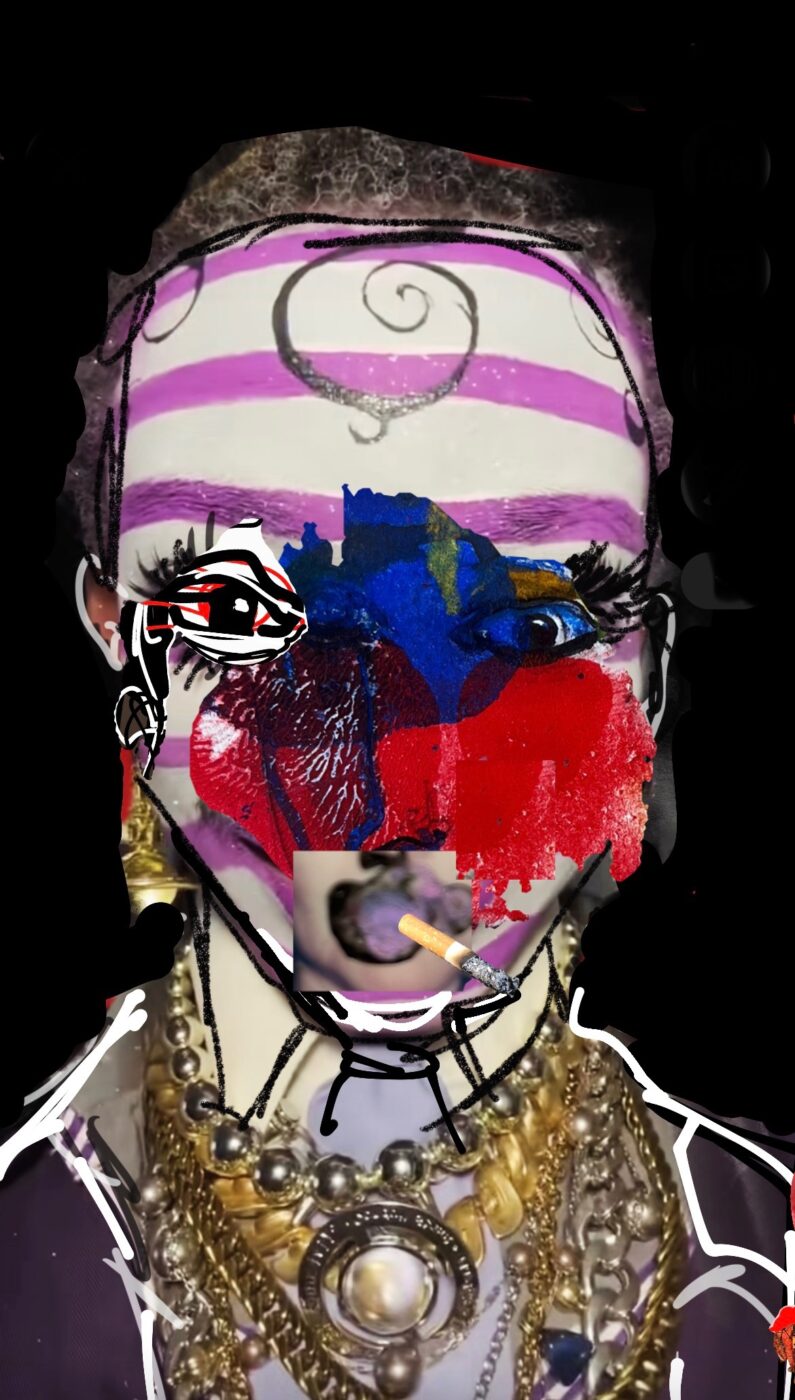
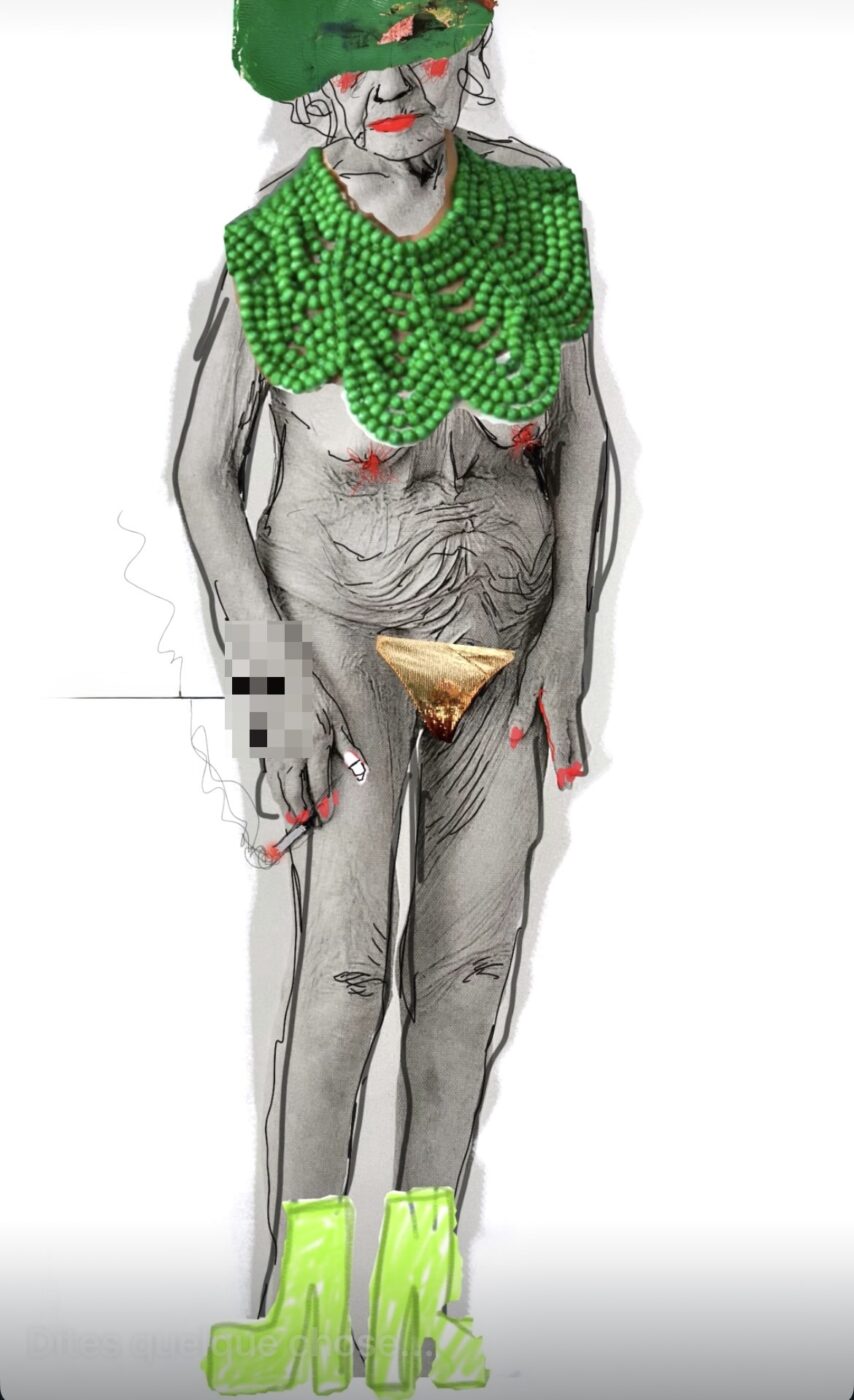
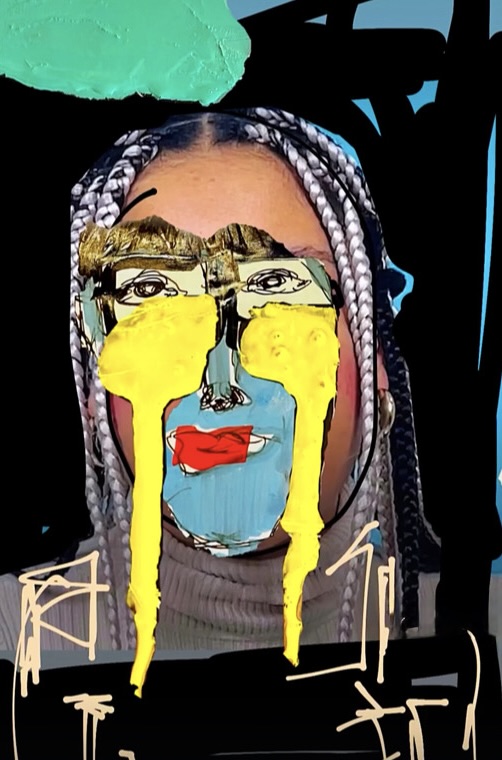
Journal Photographique
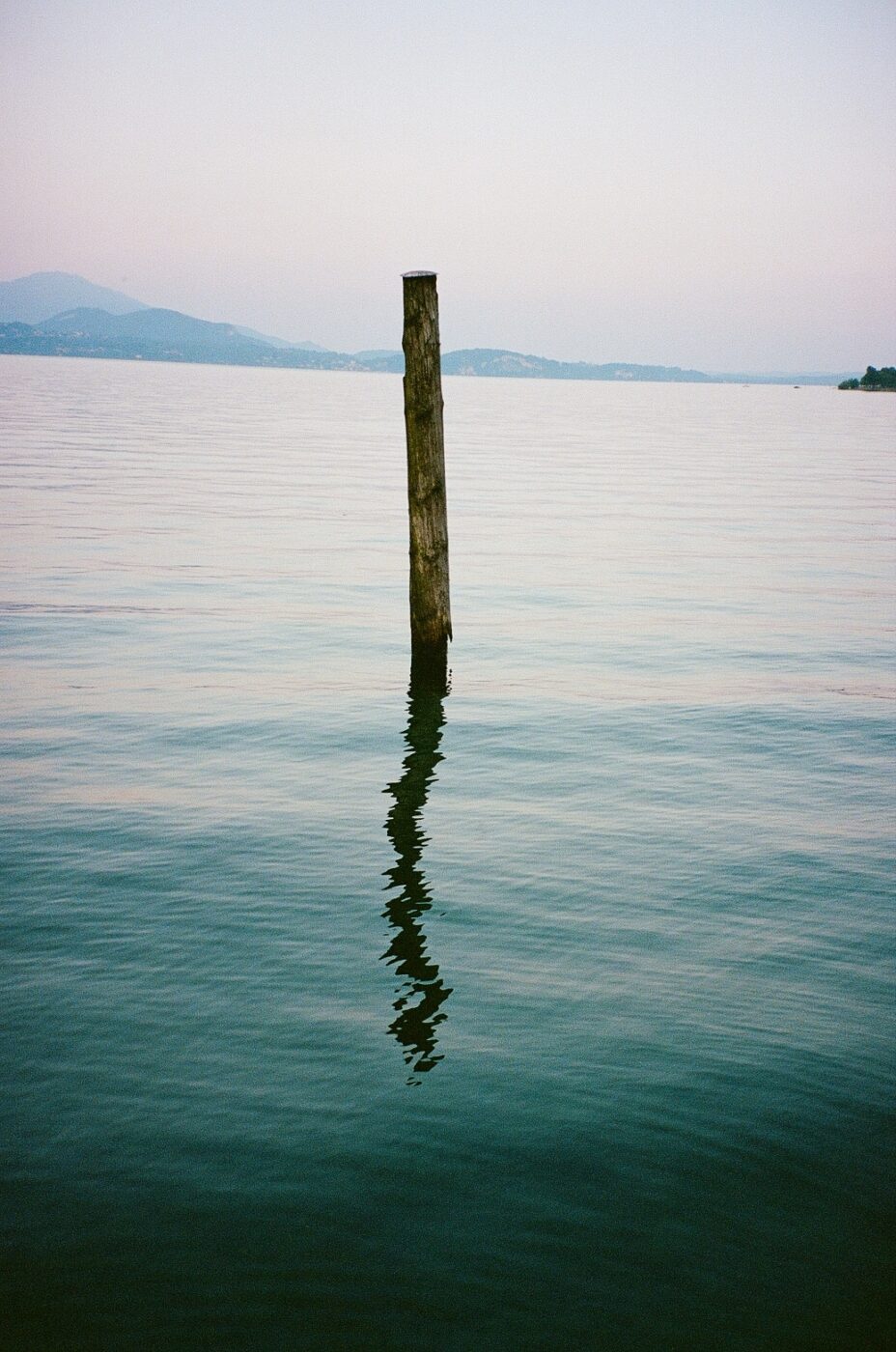
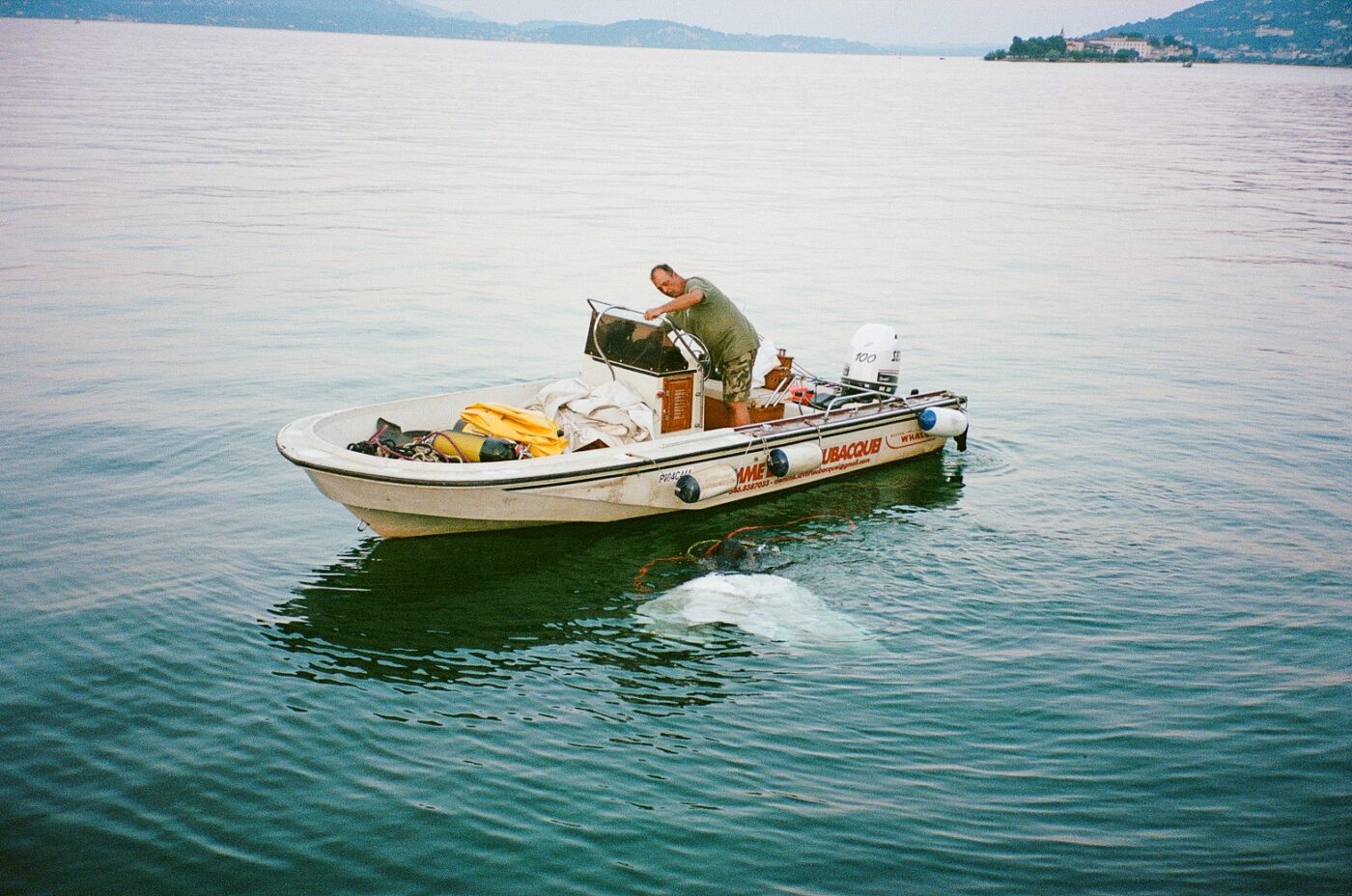
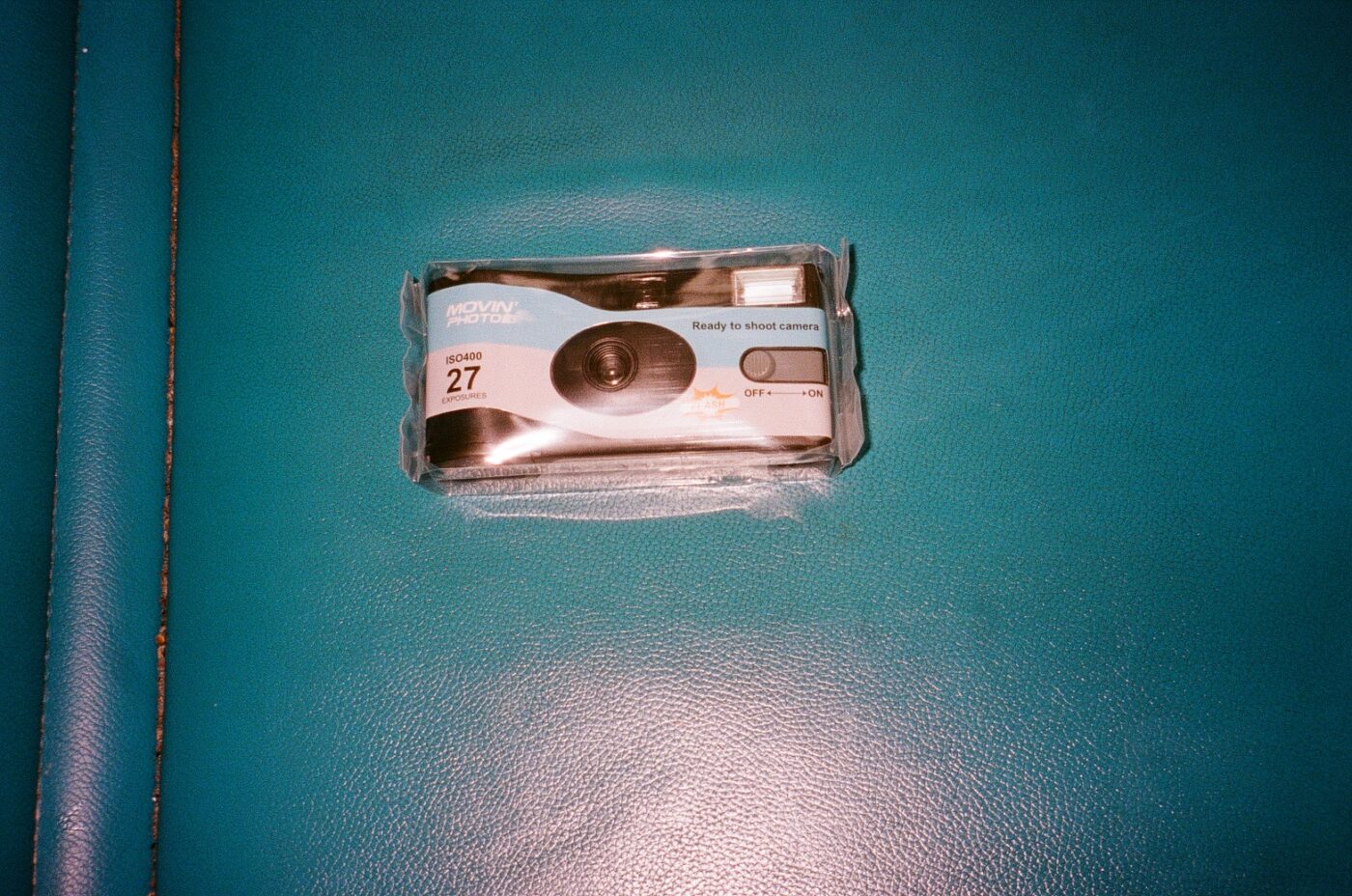
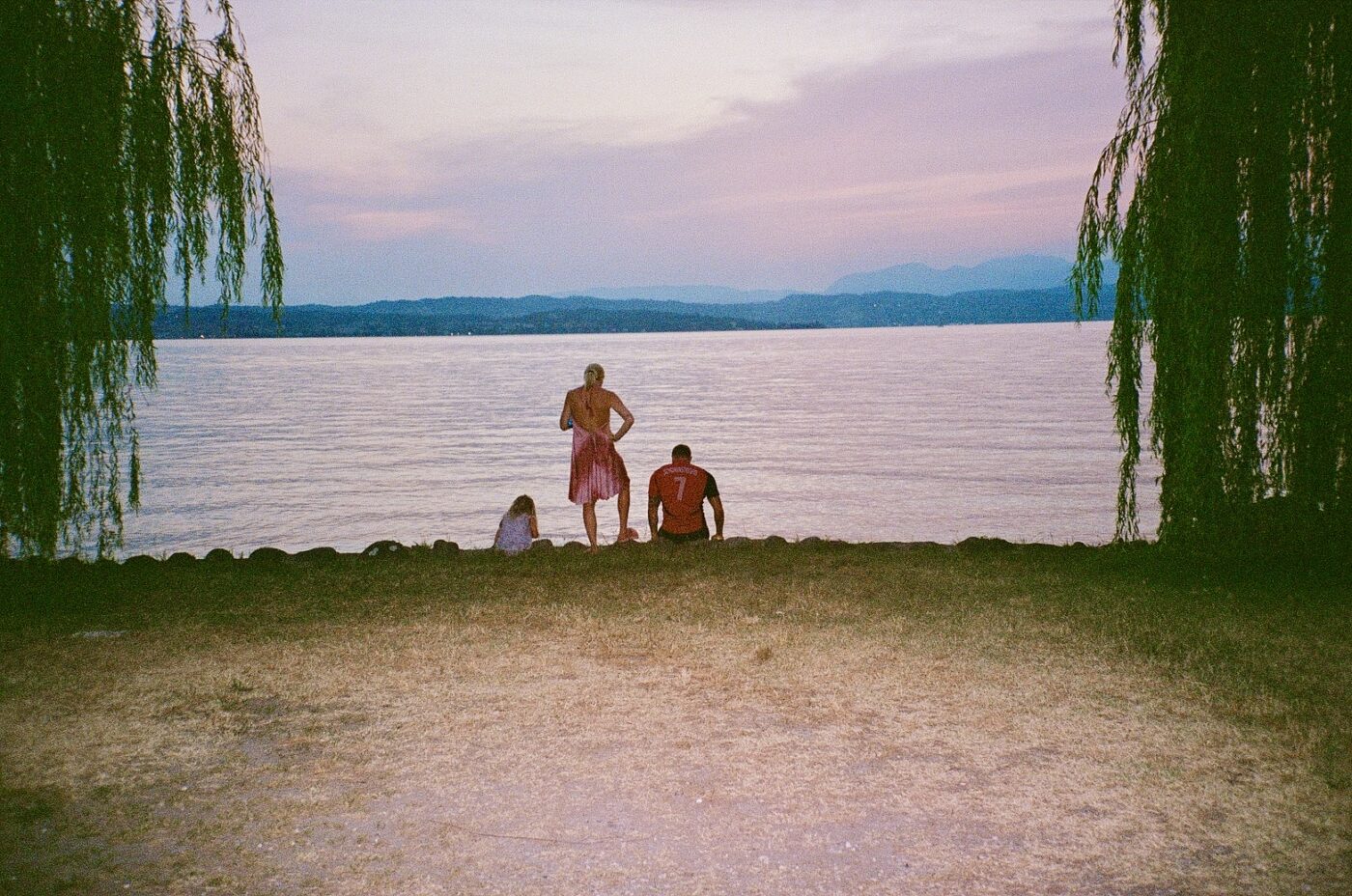
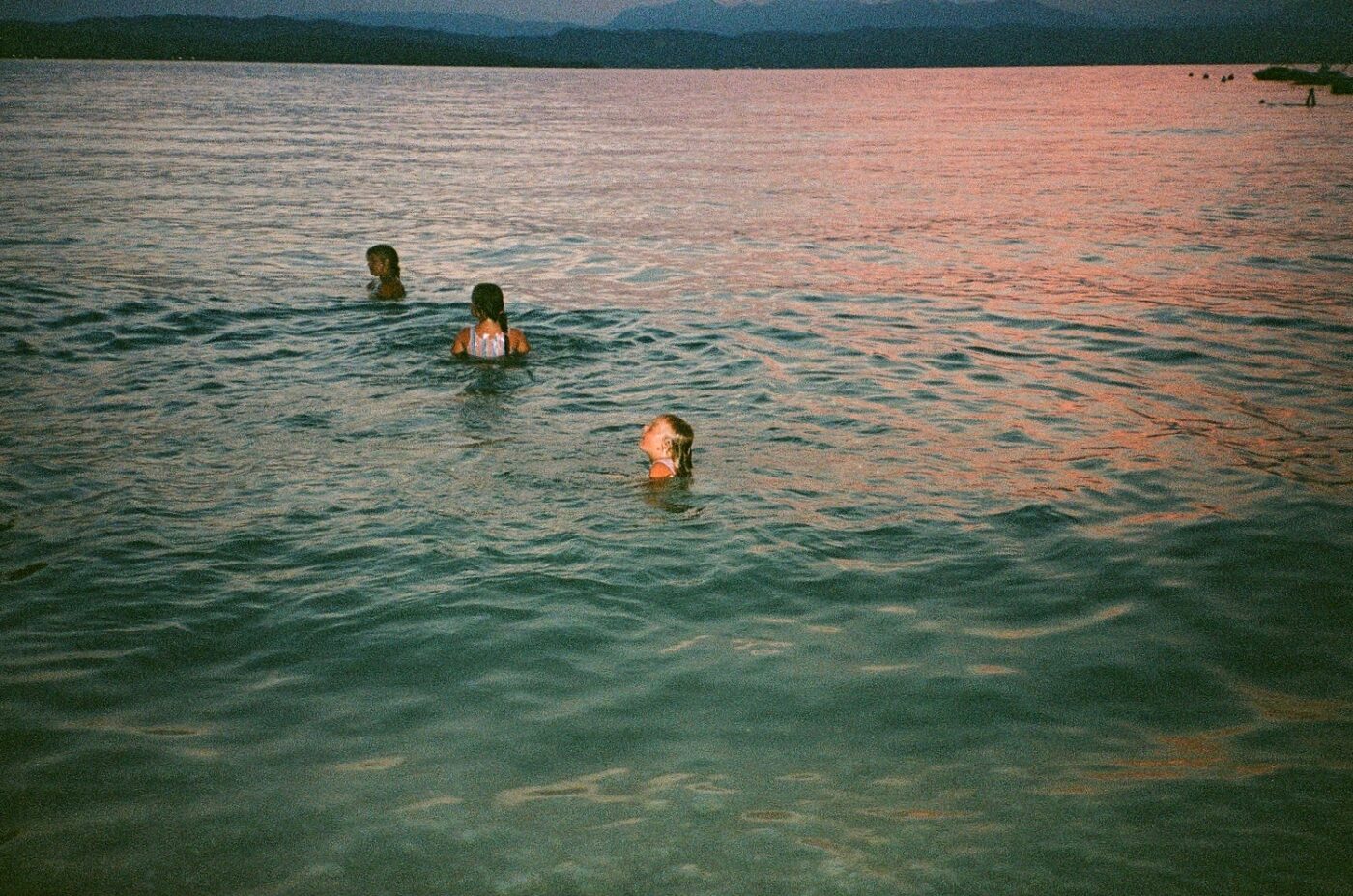
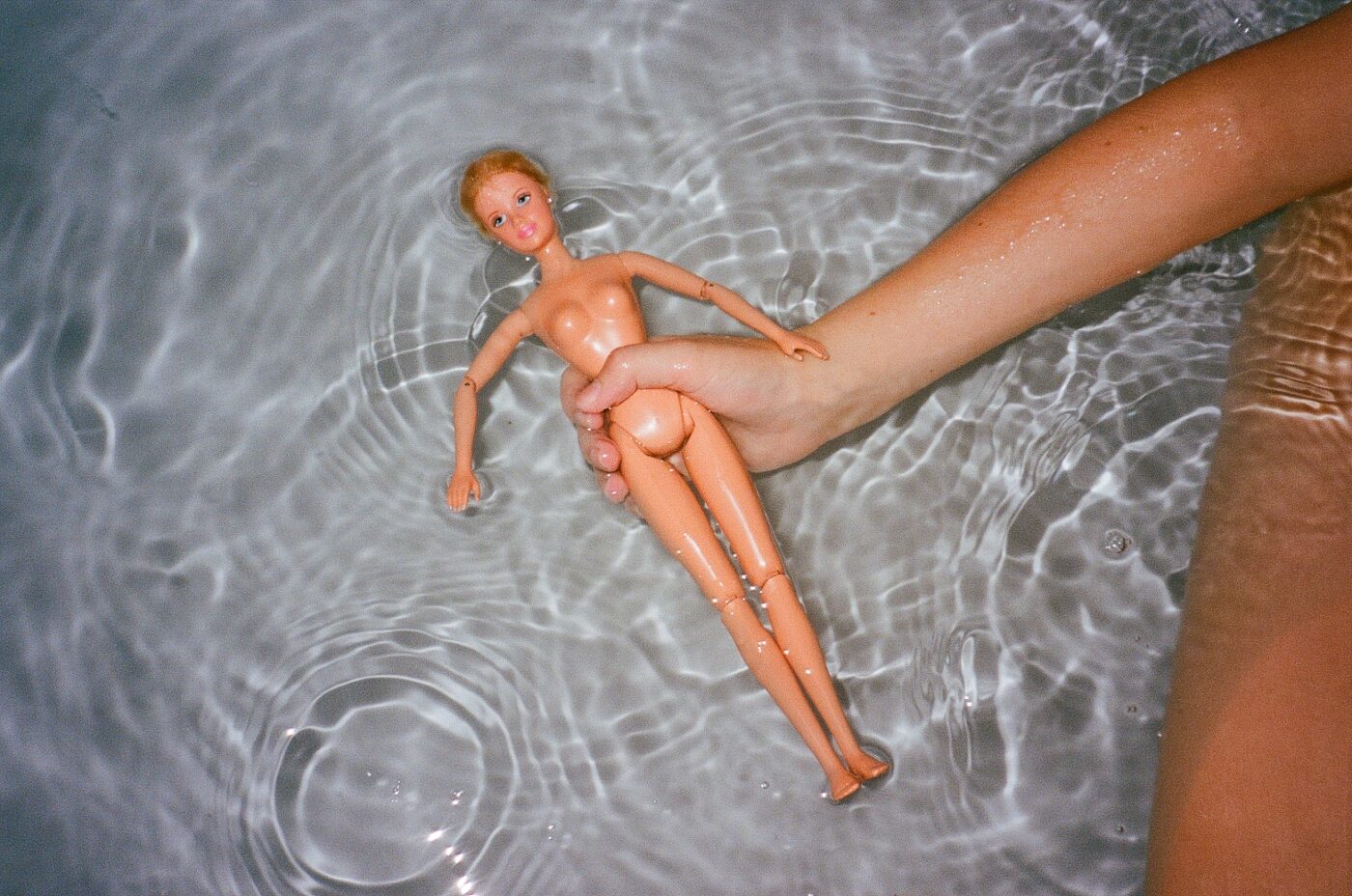
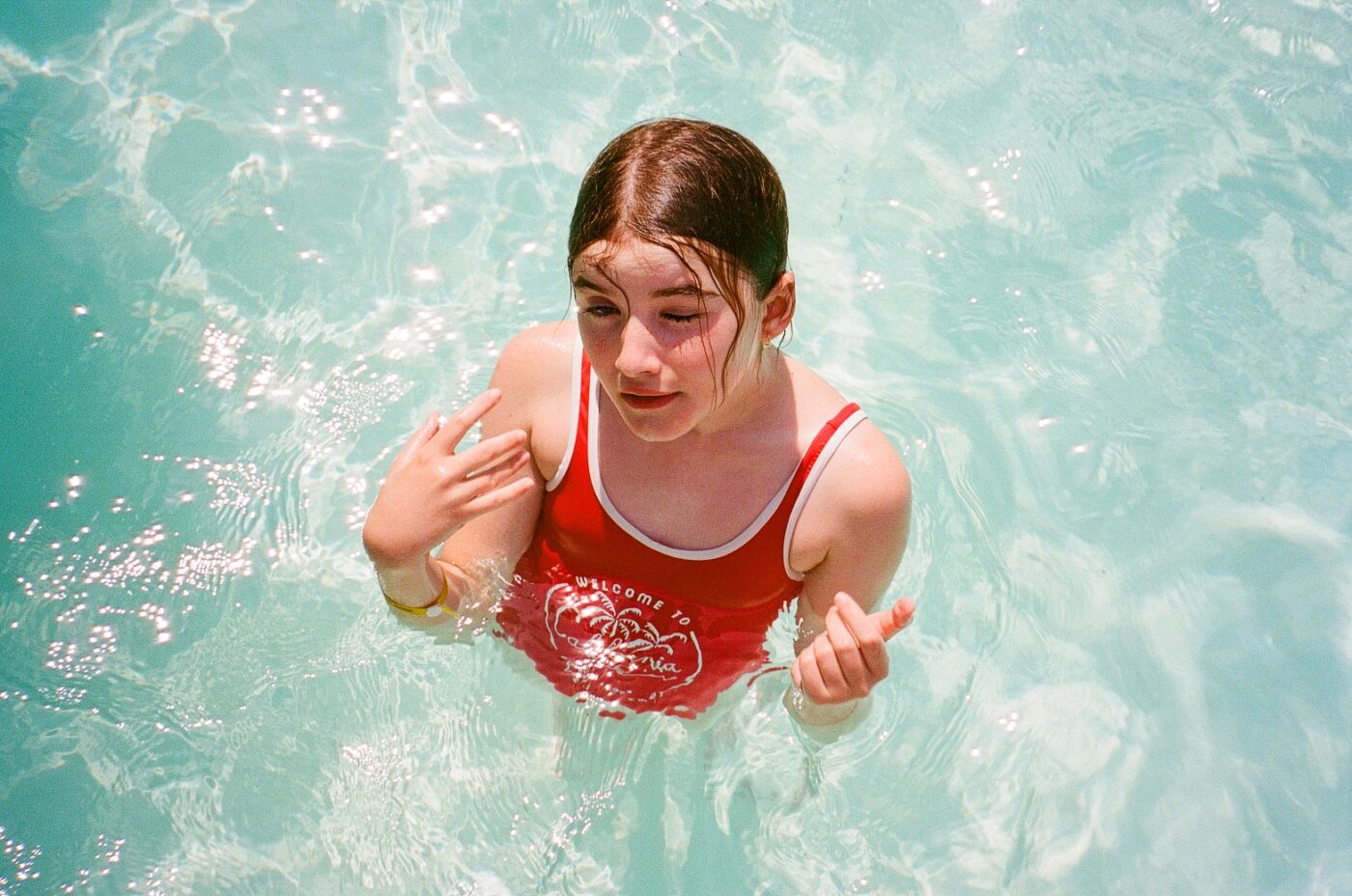
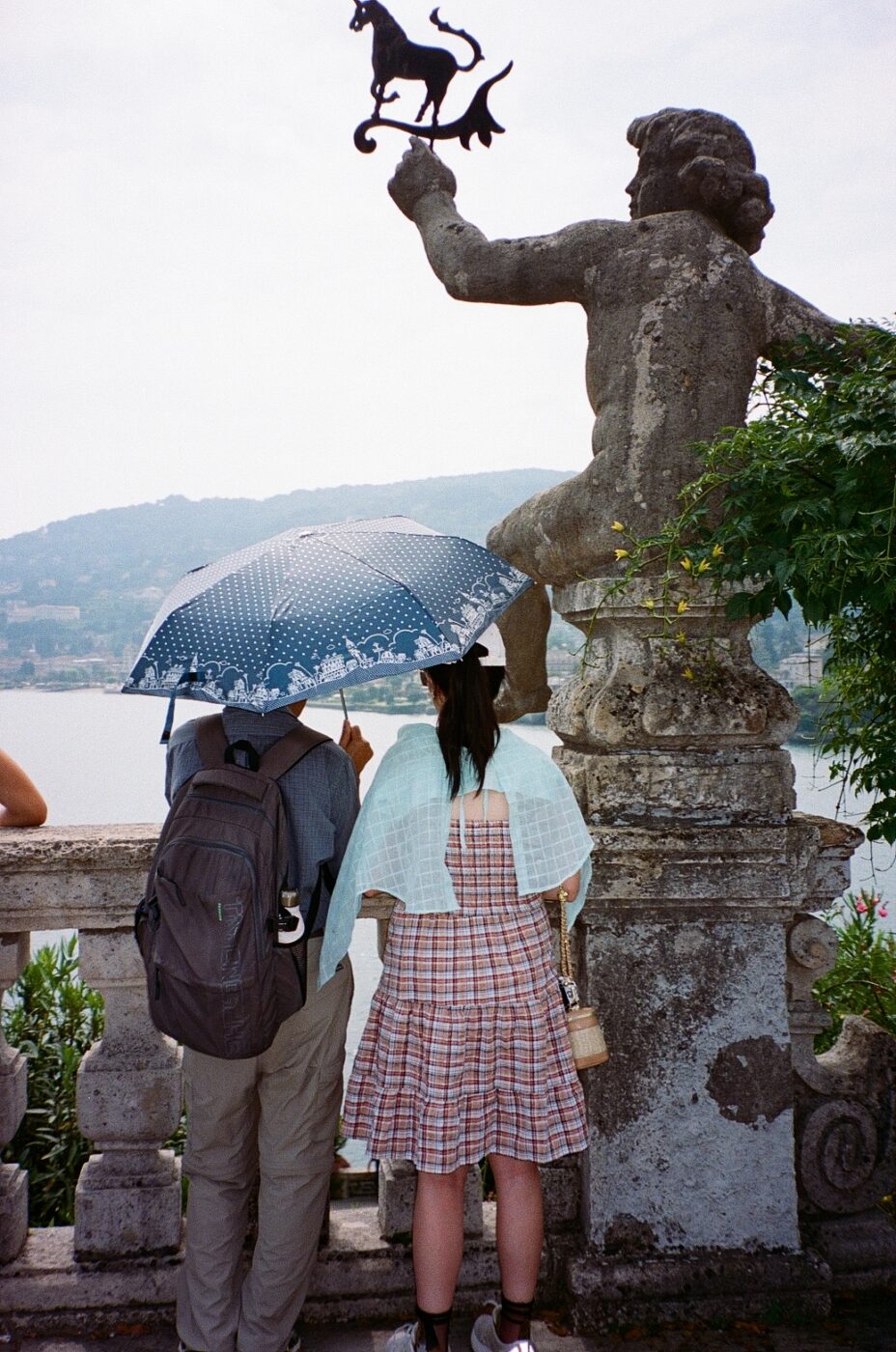
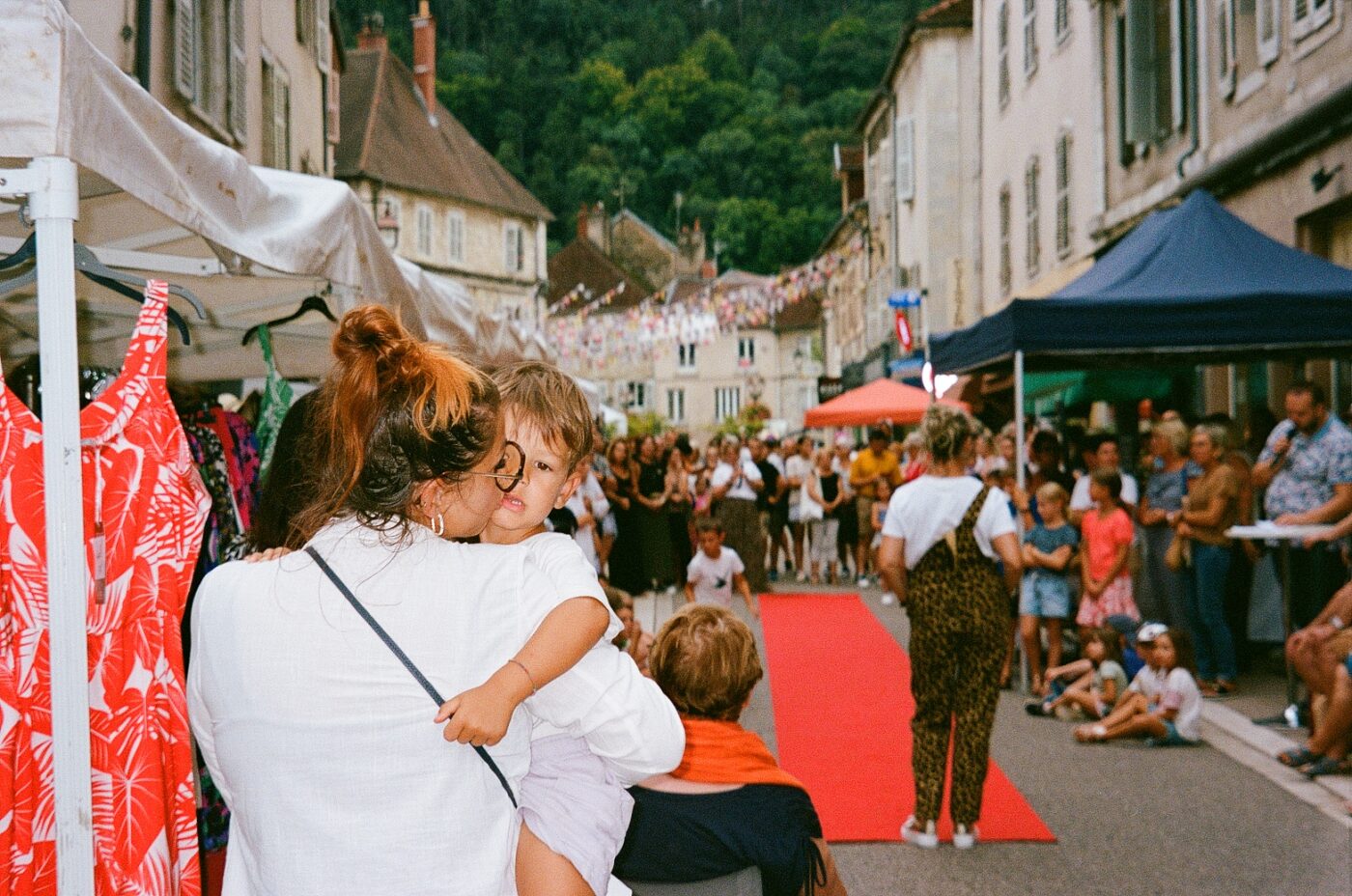
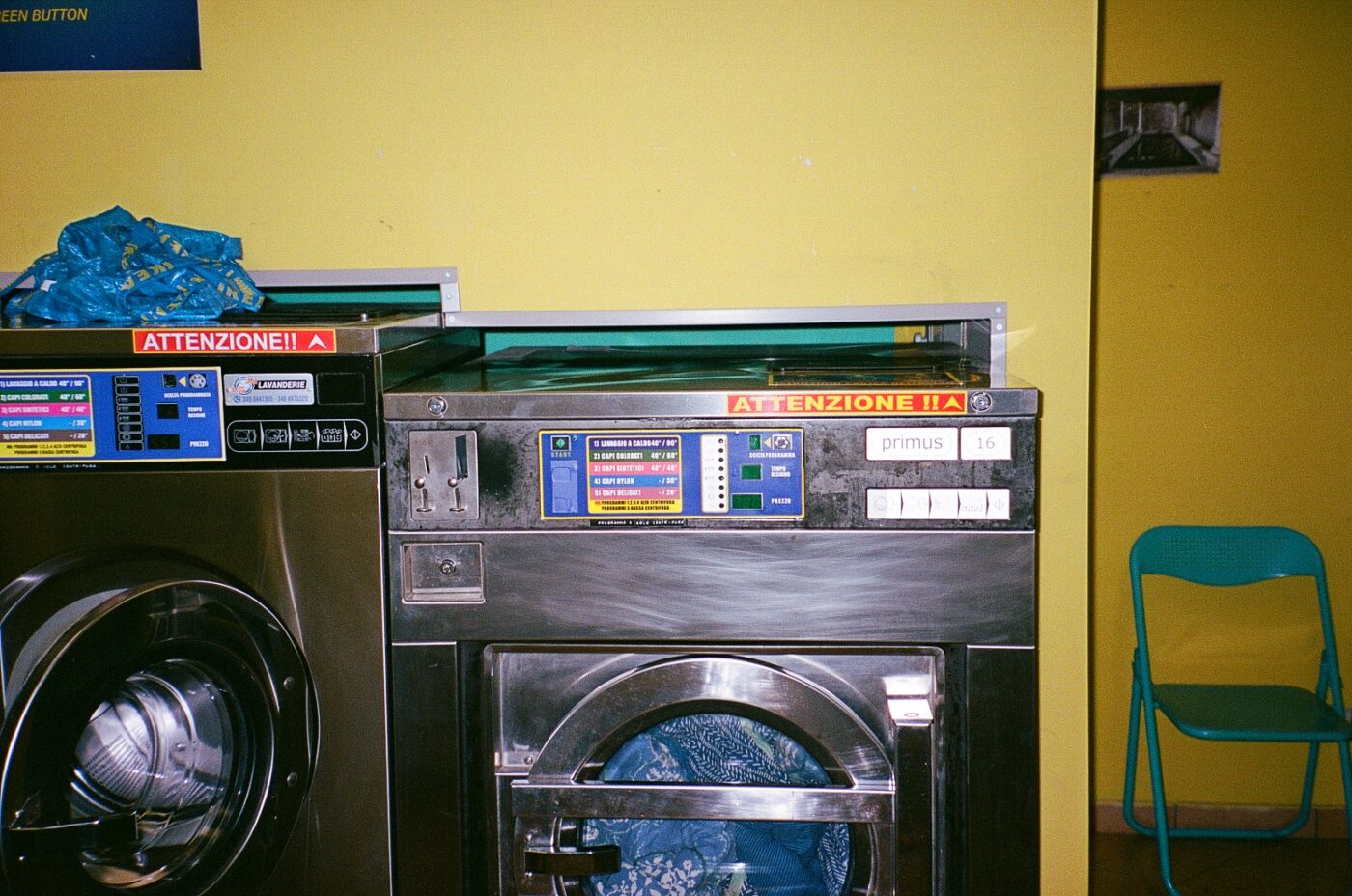
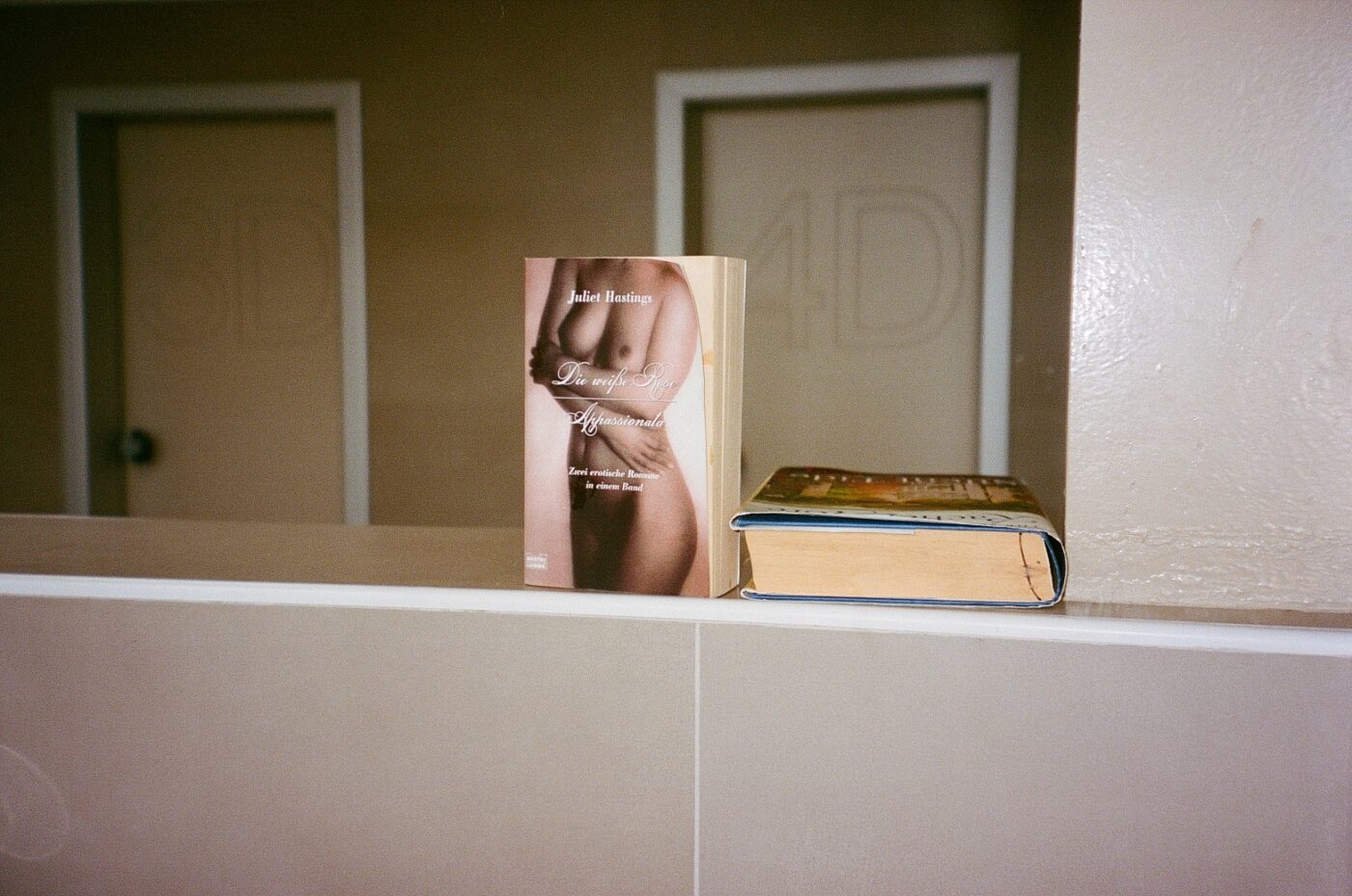
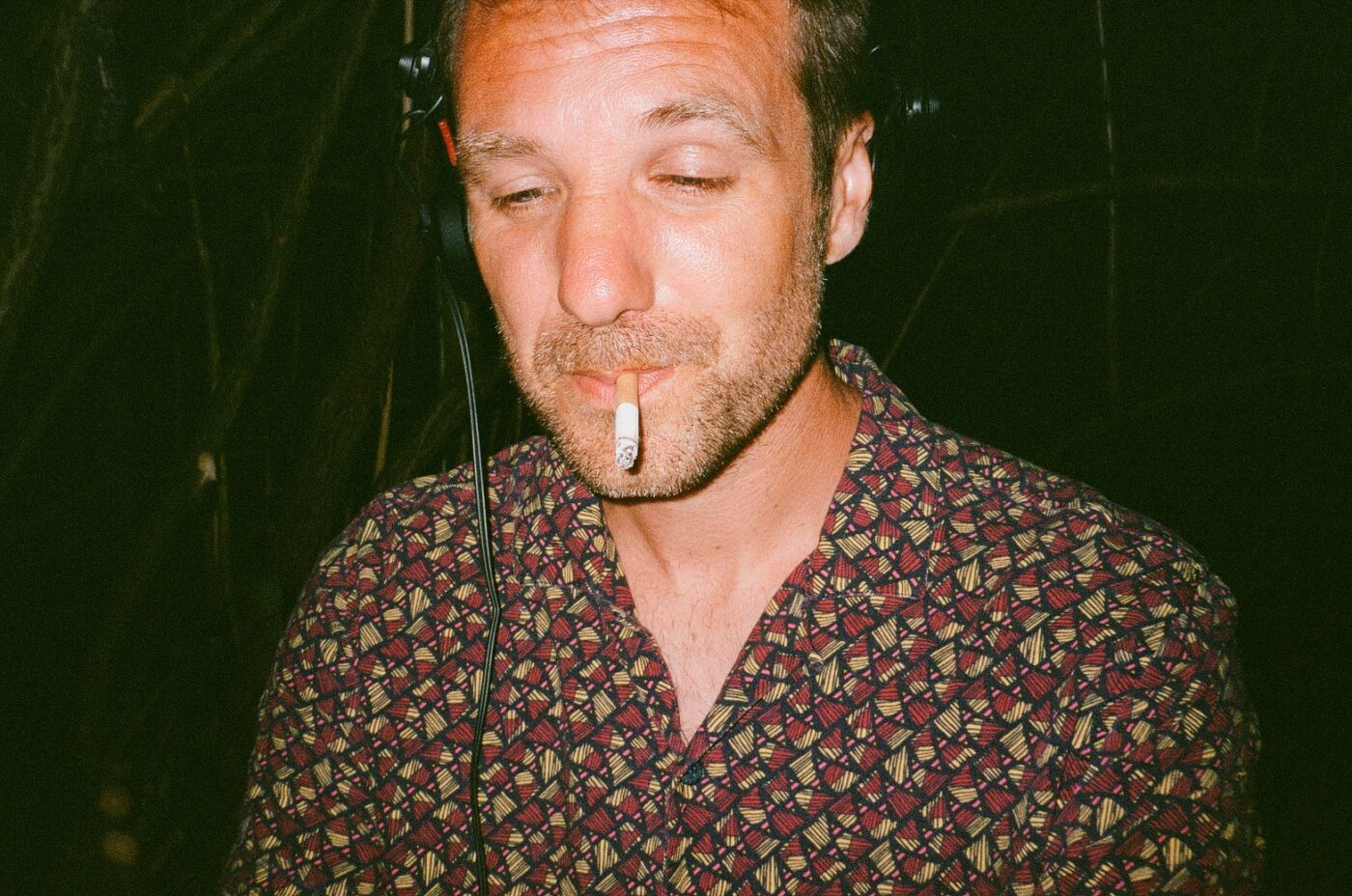
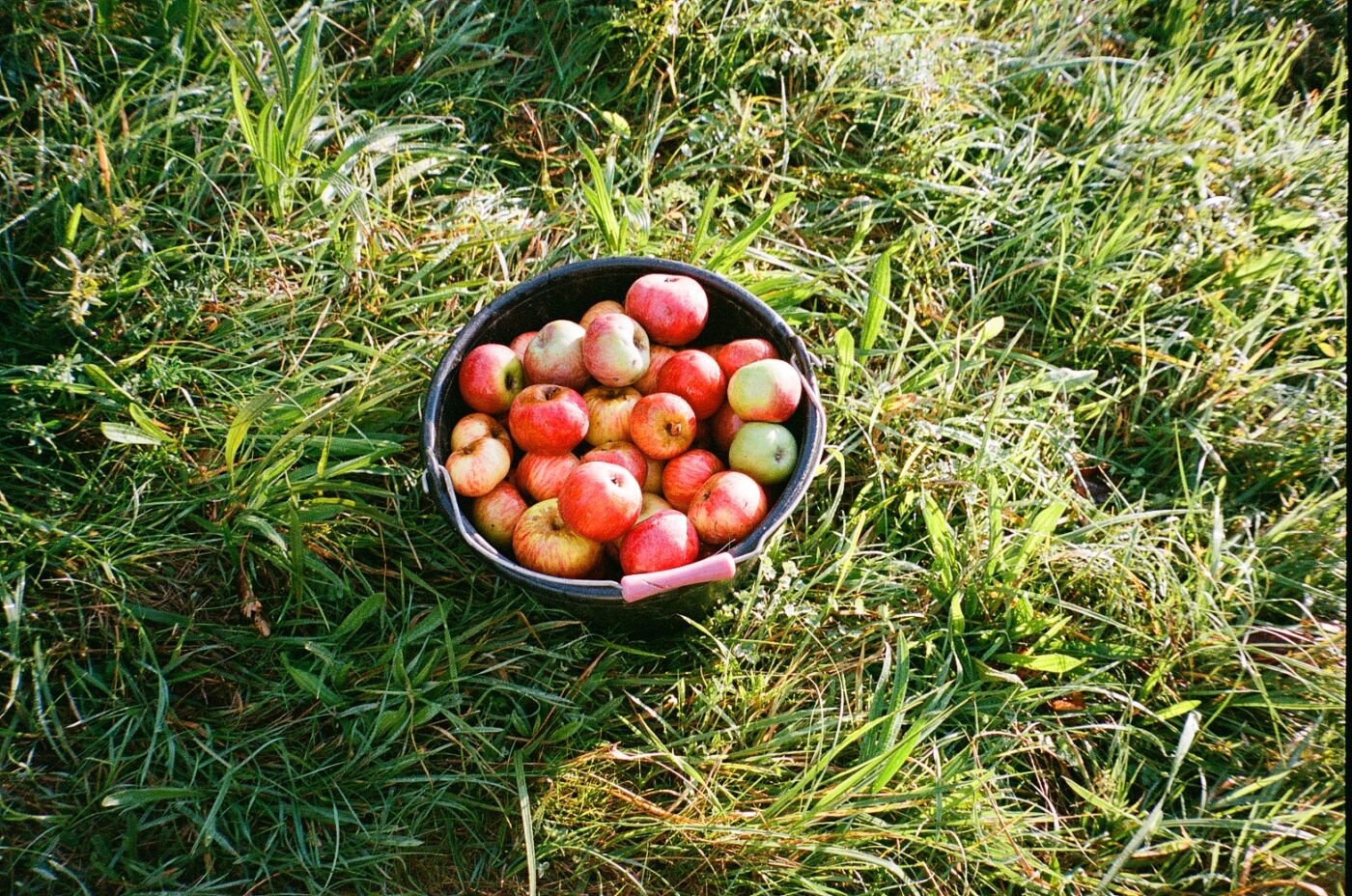
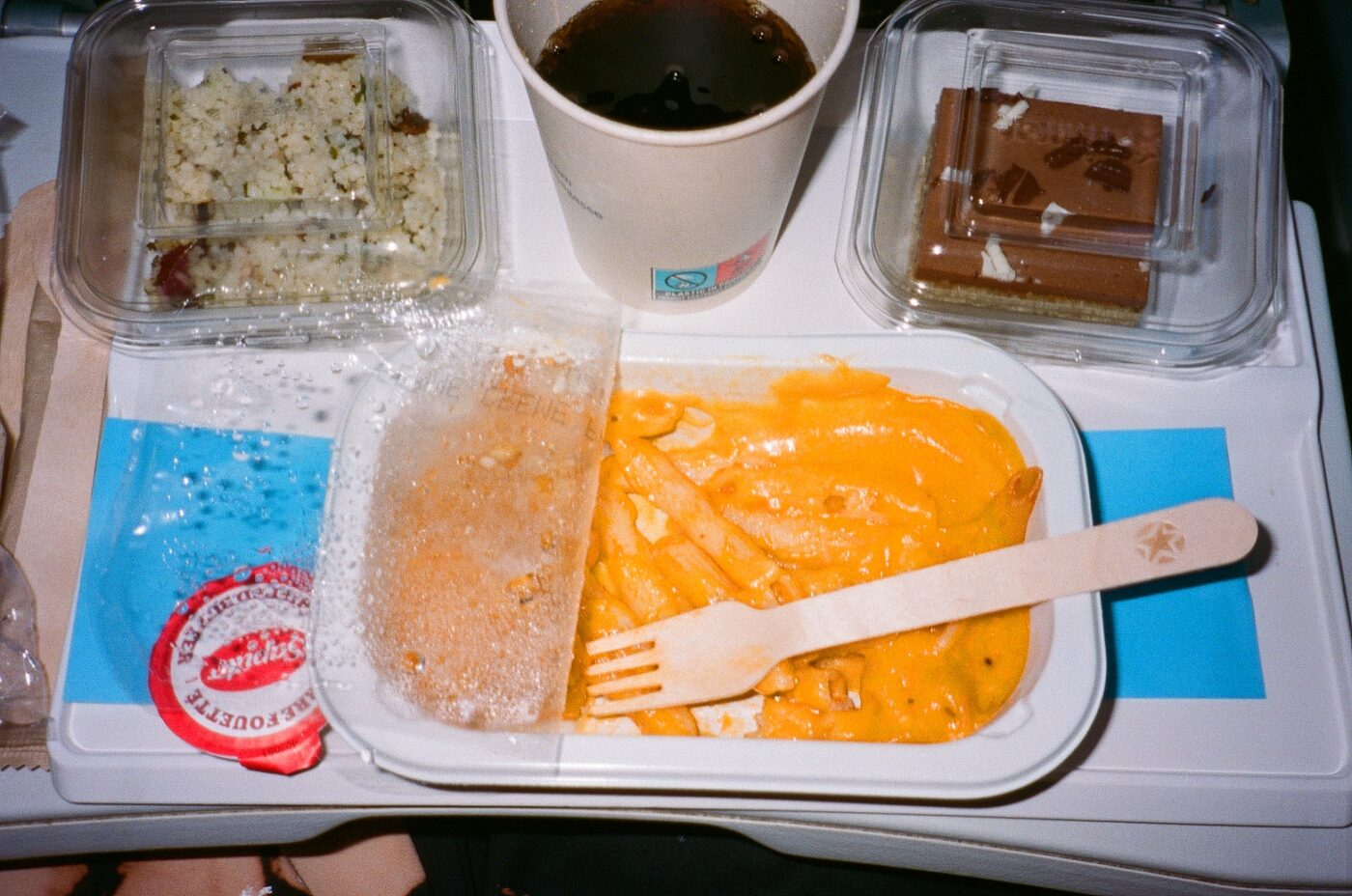
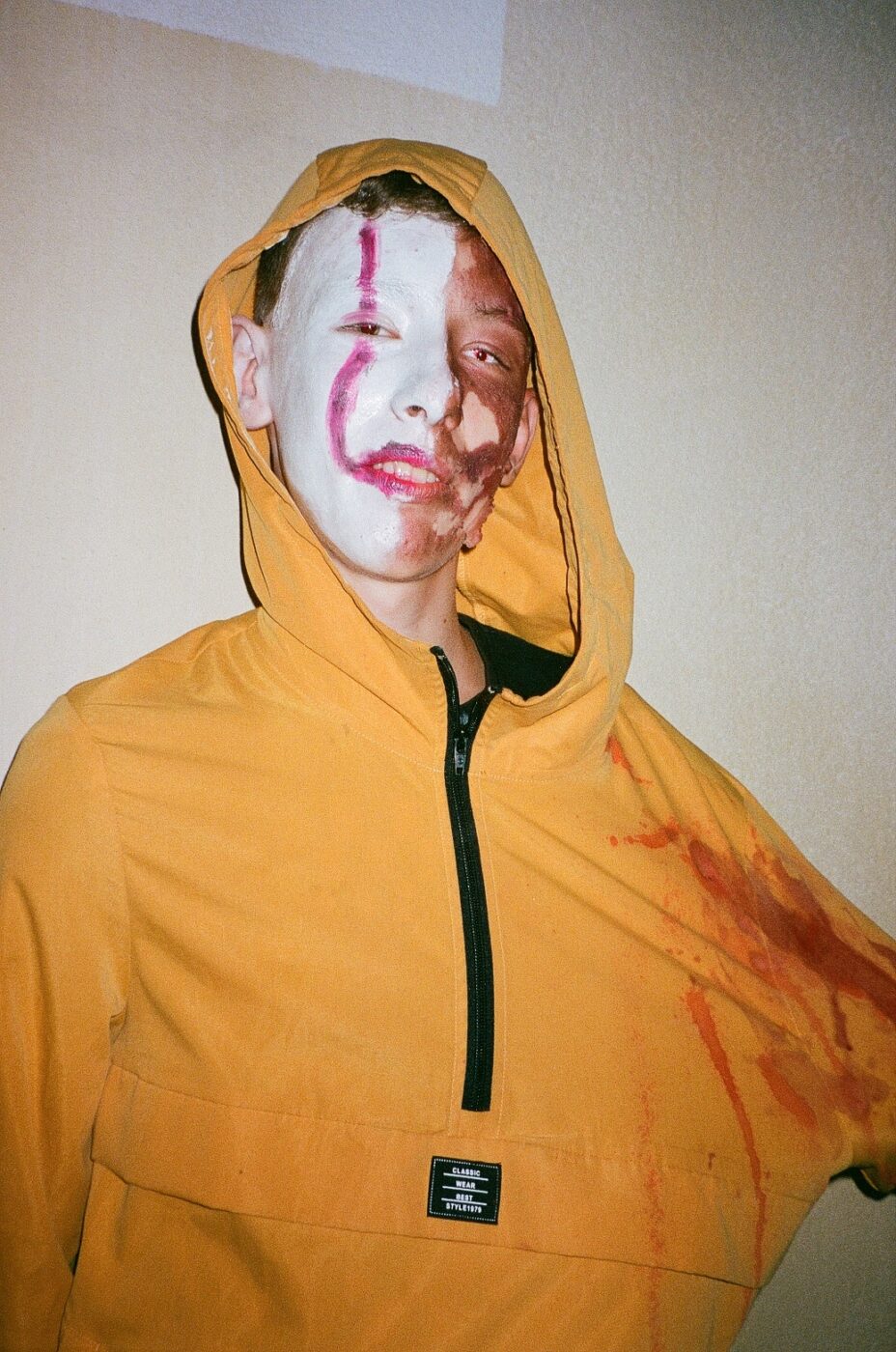
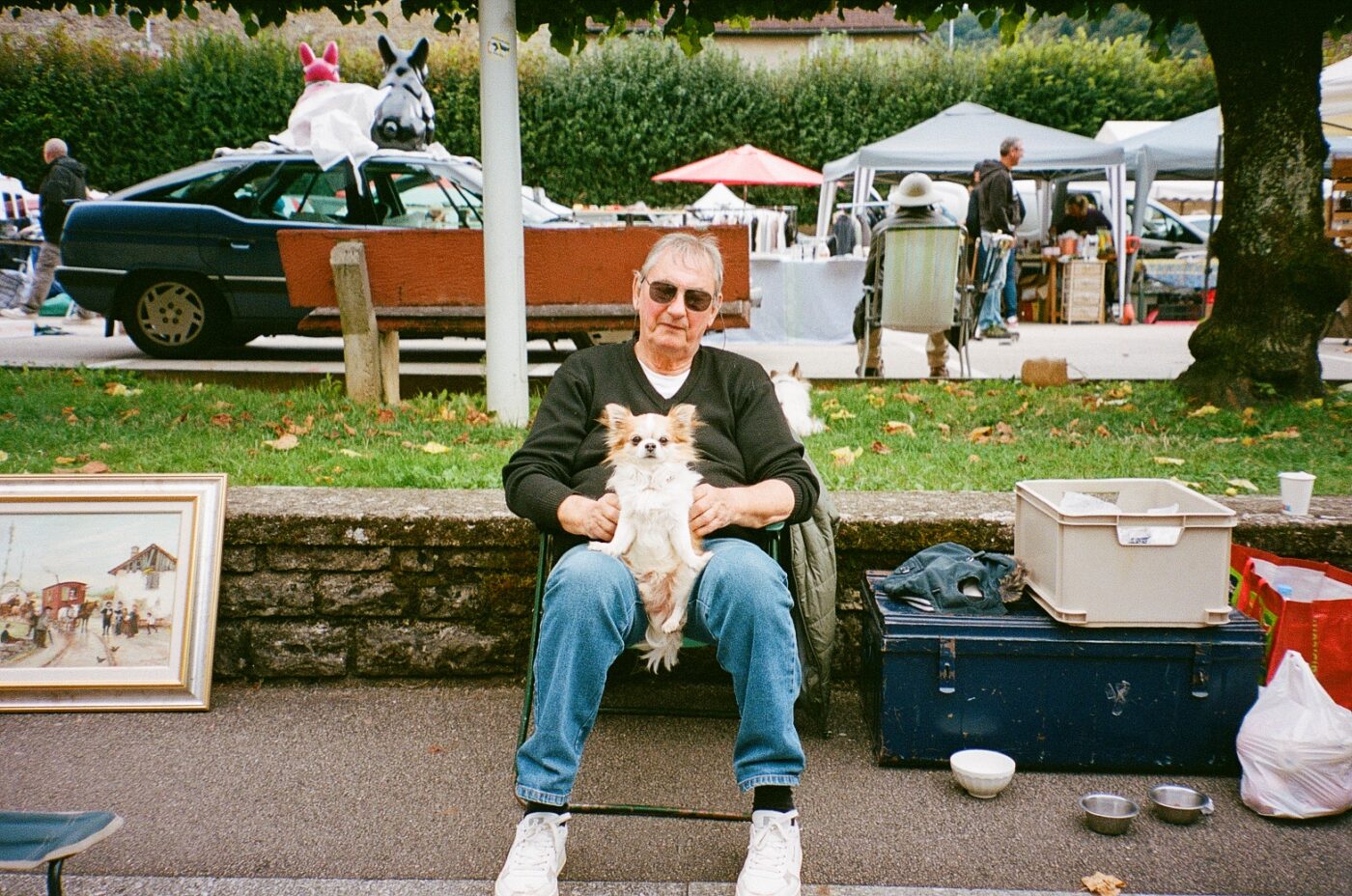
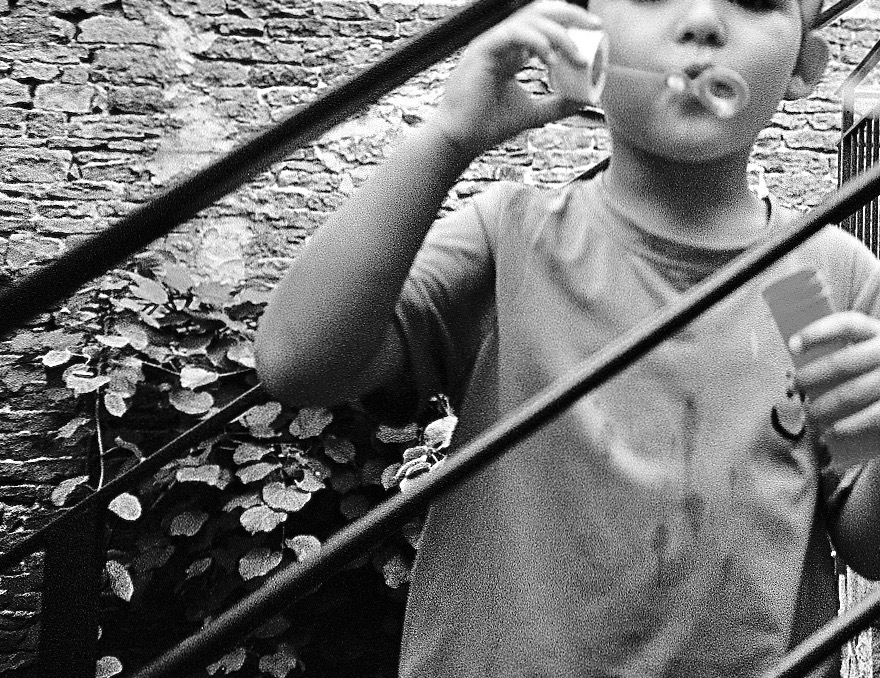
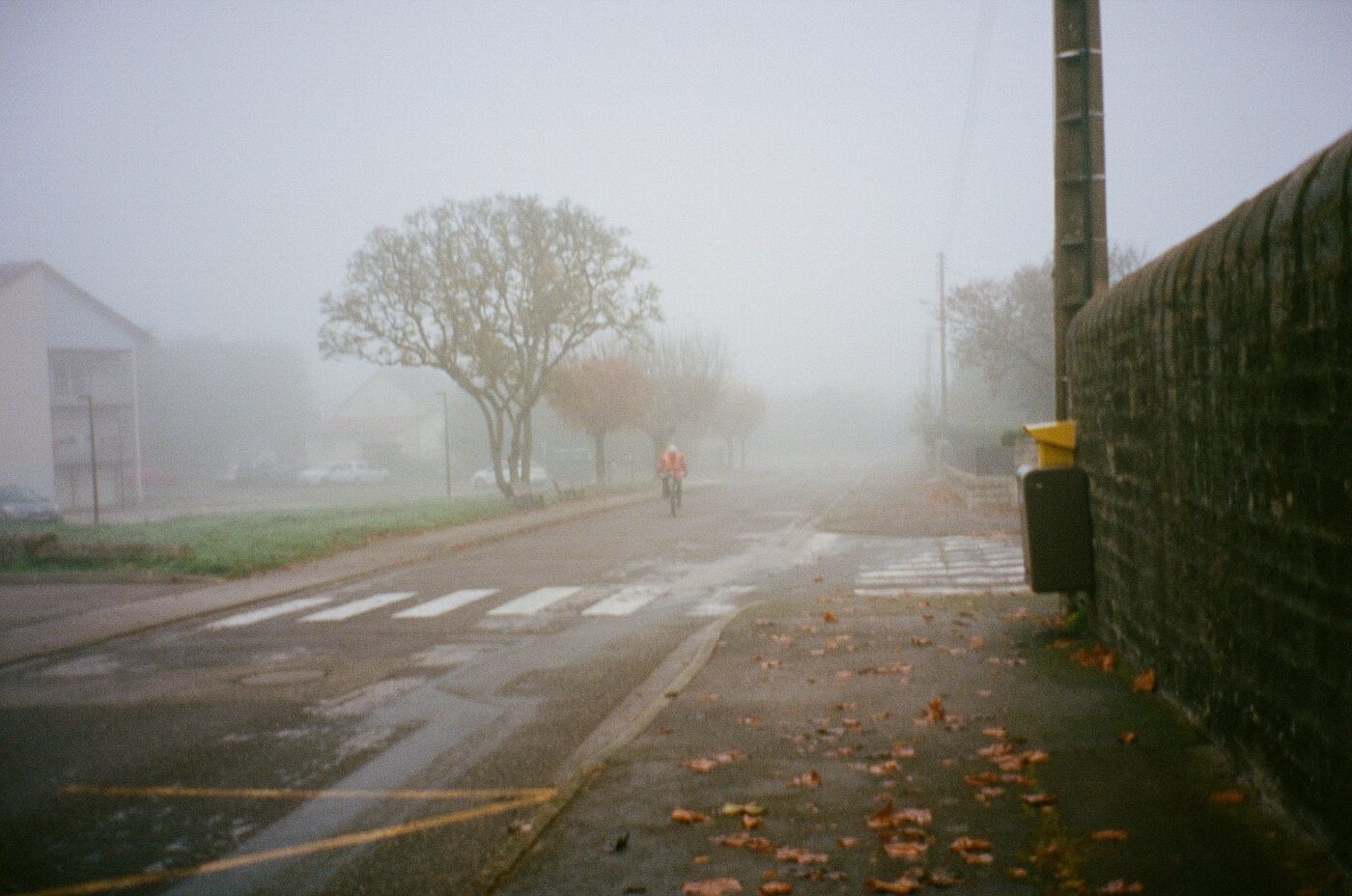
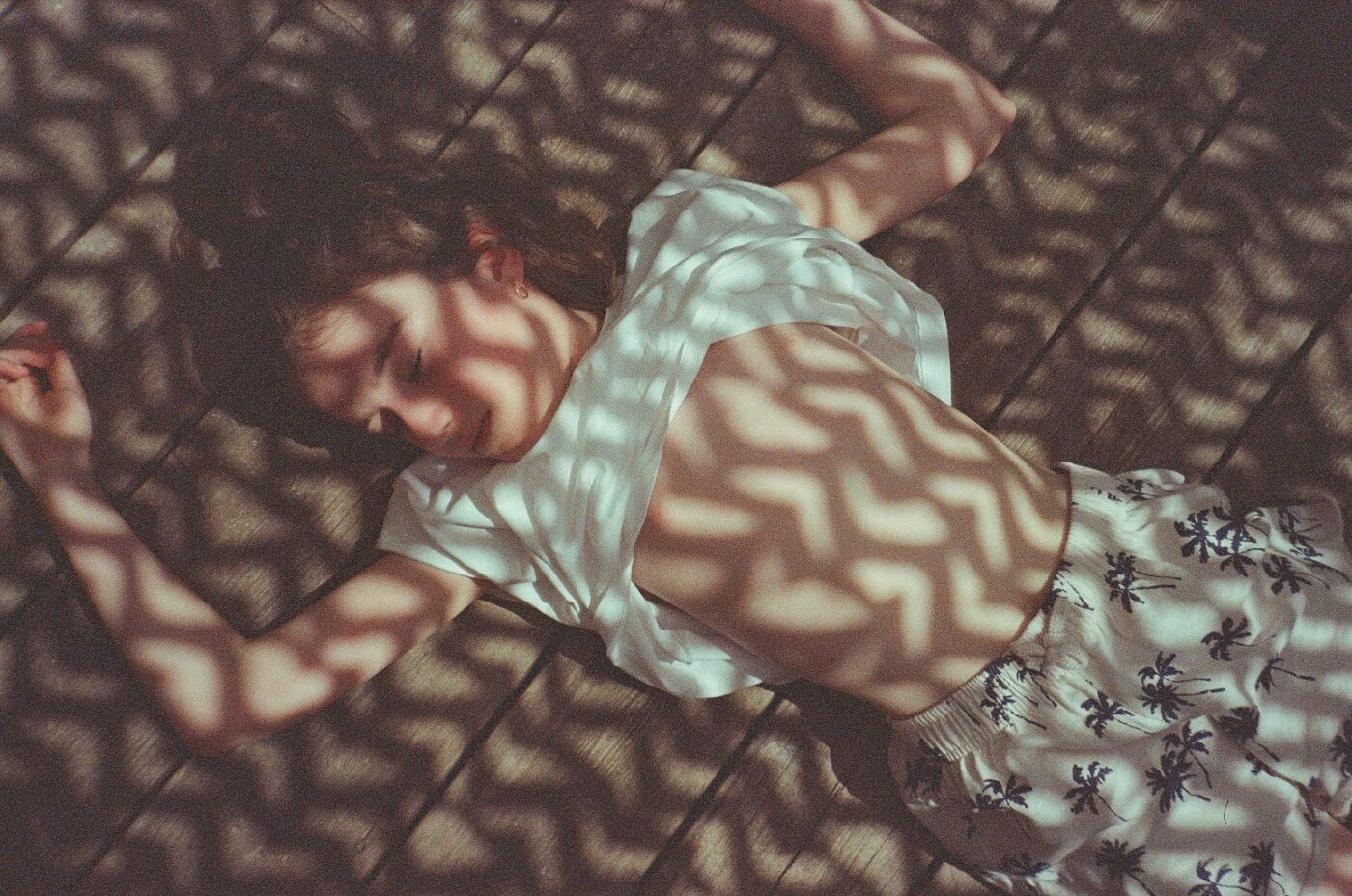
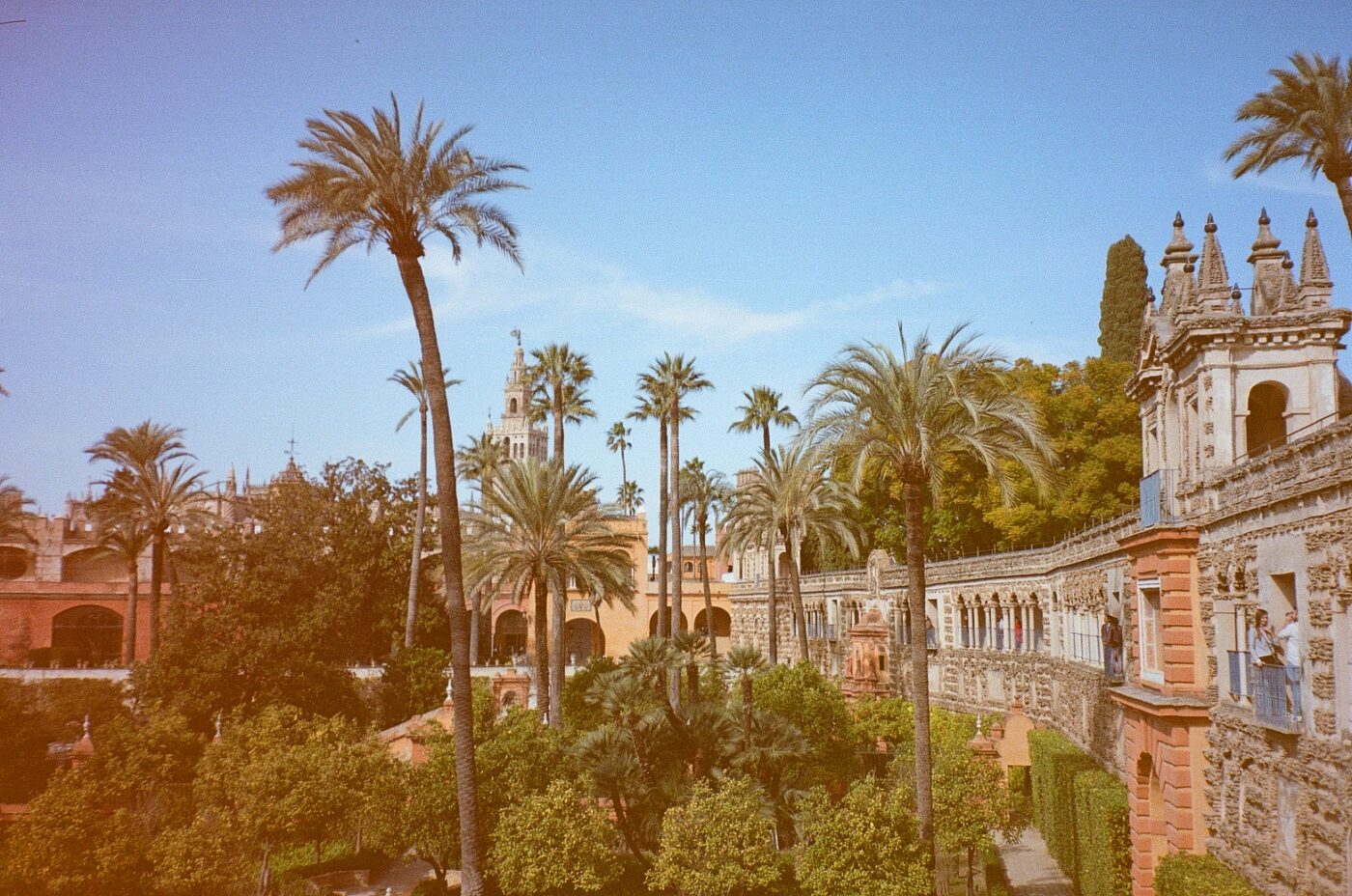
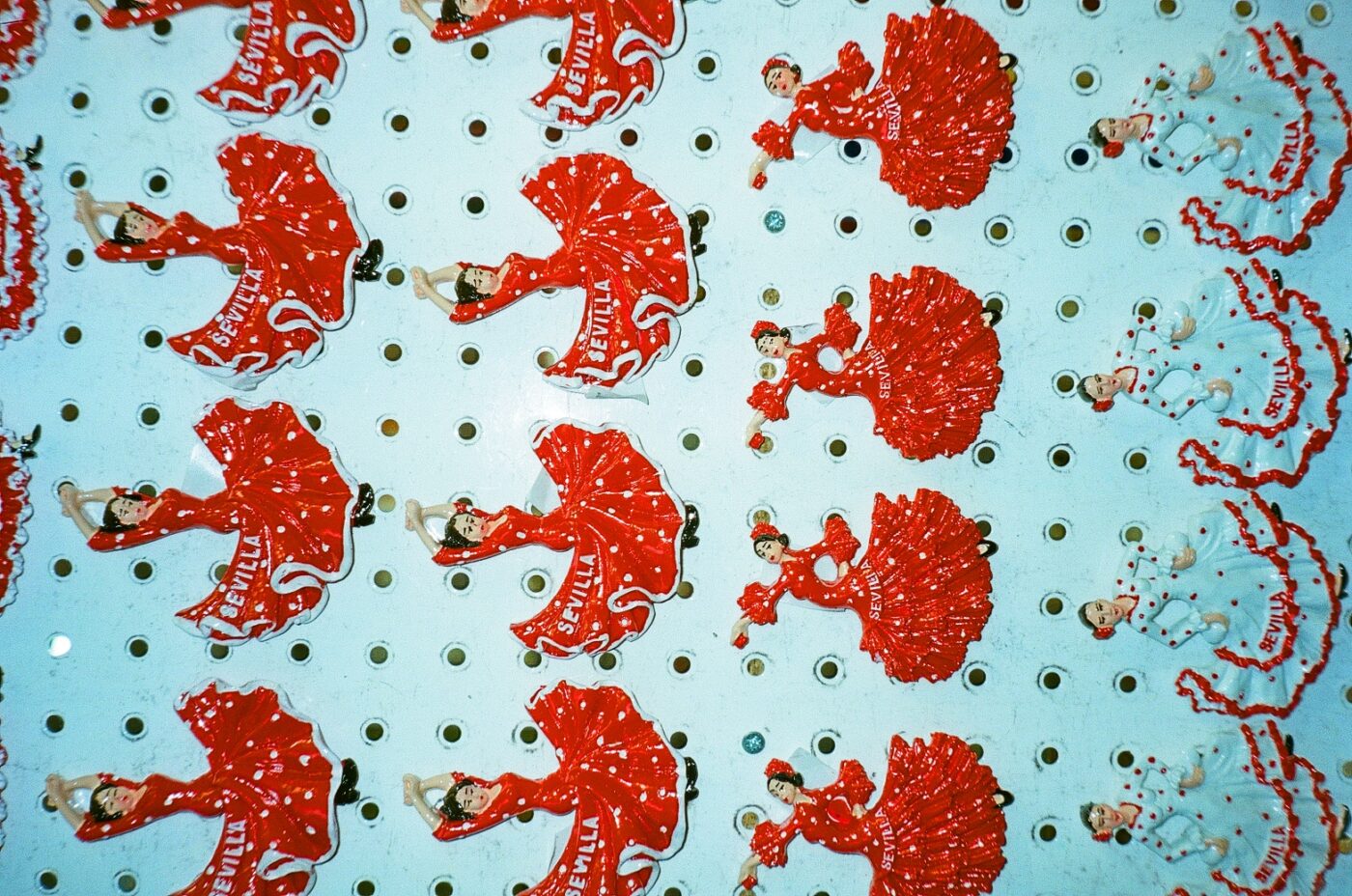
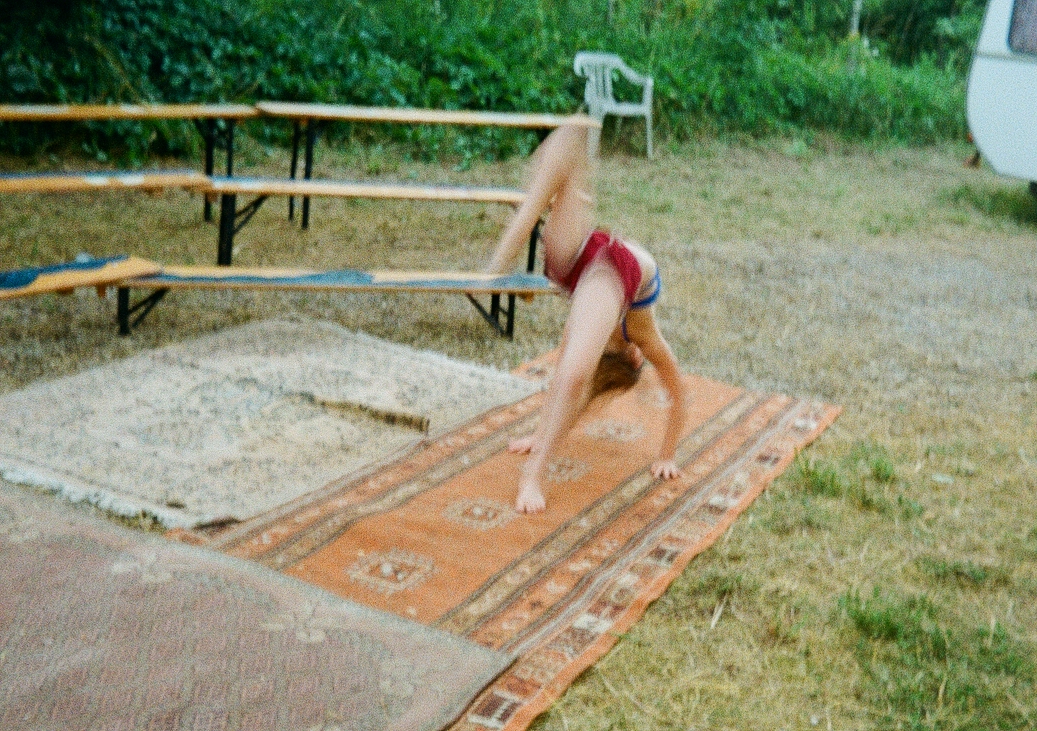
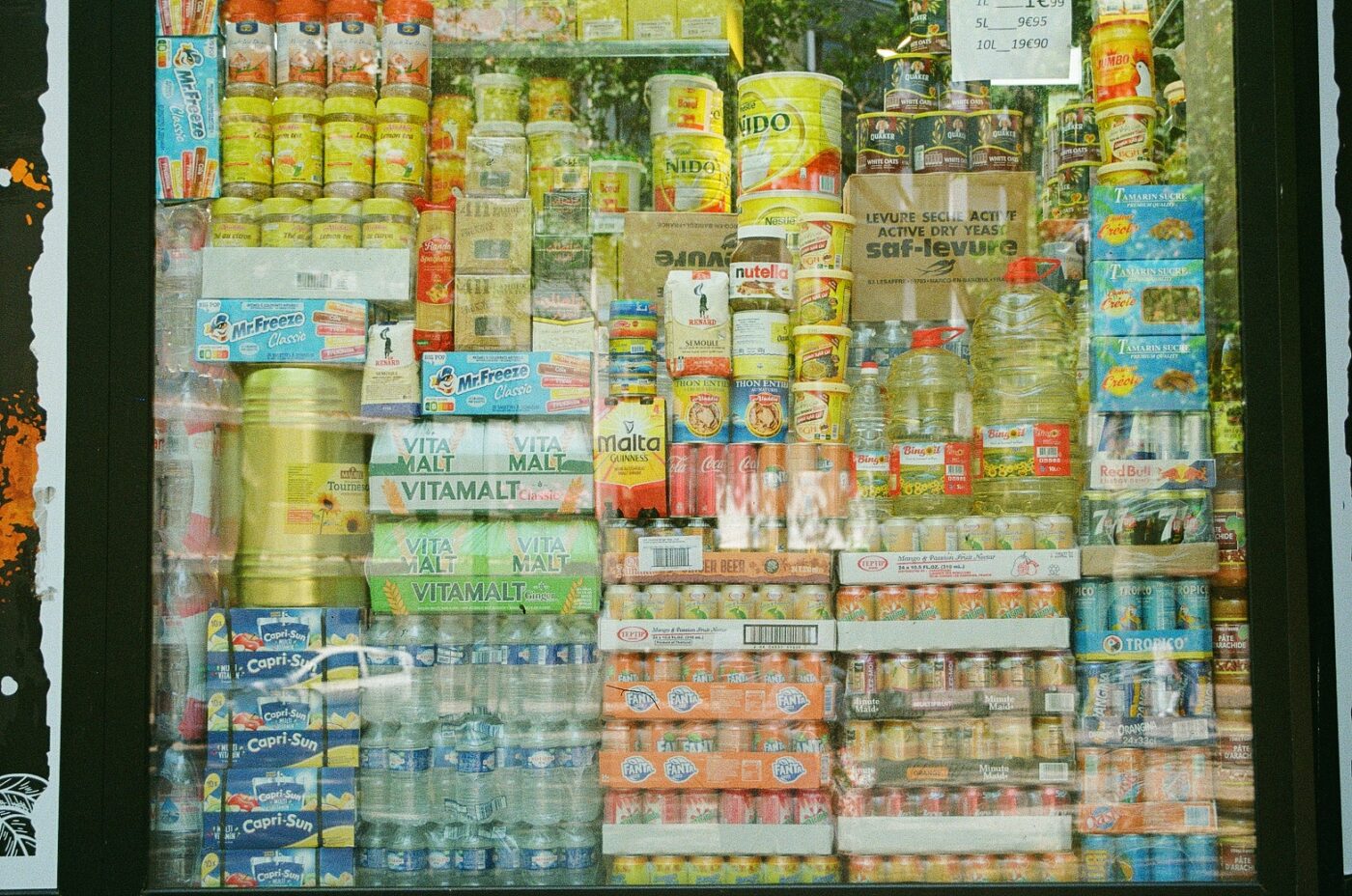
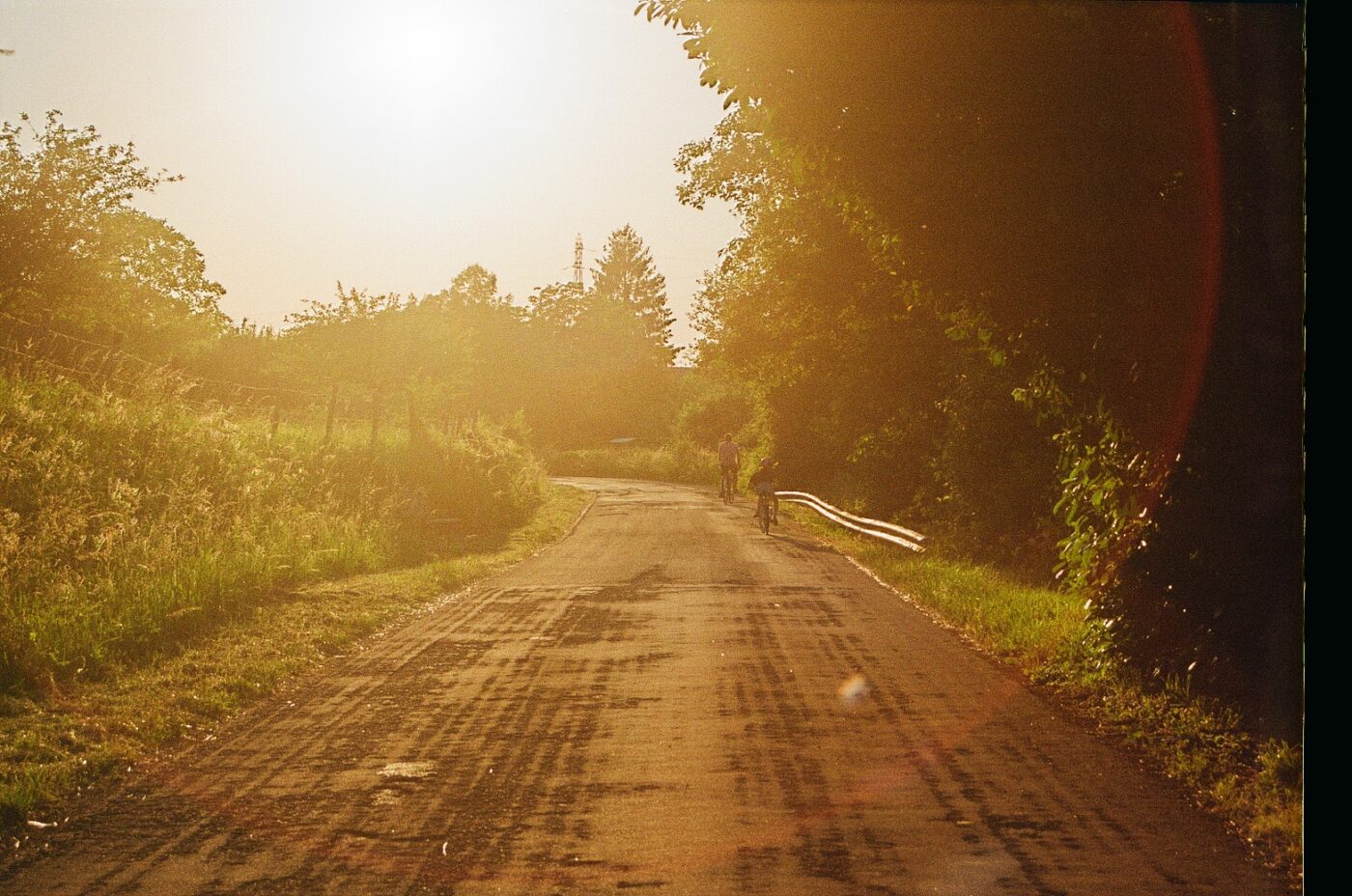
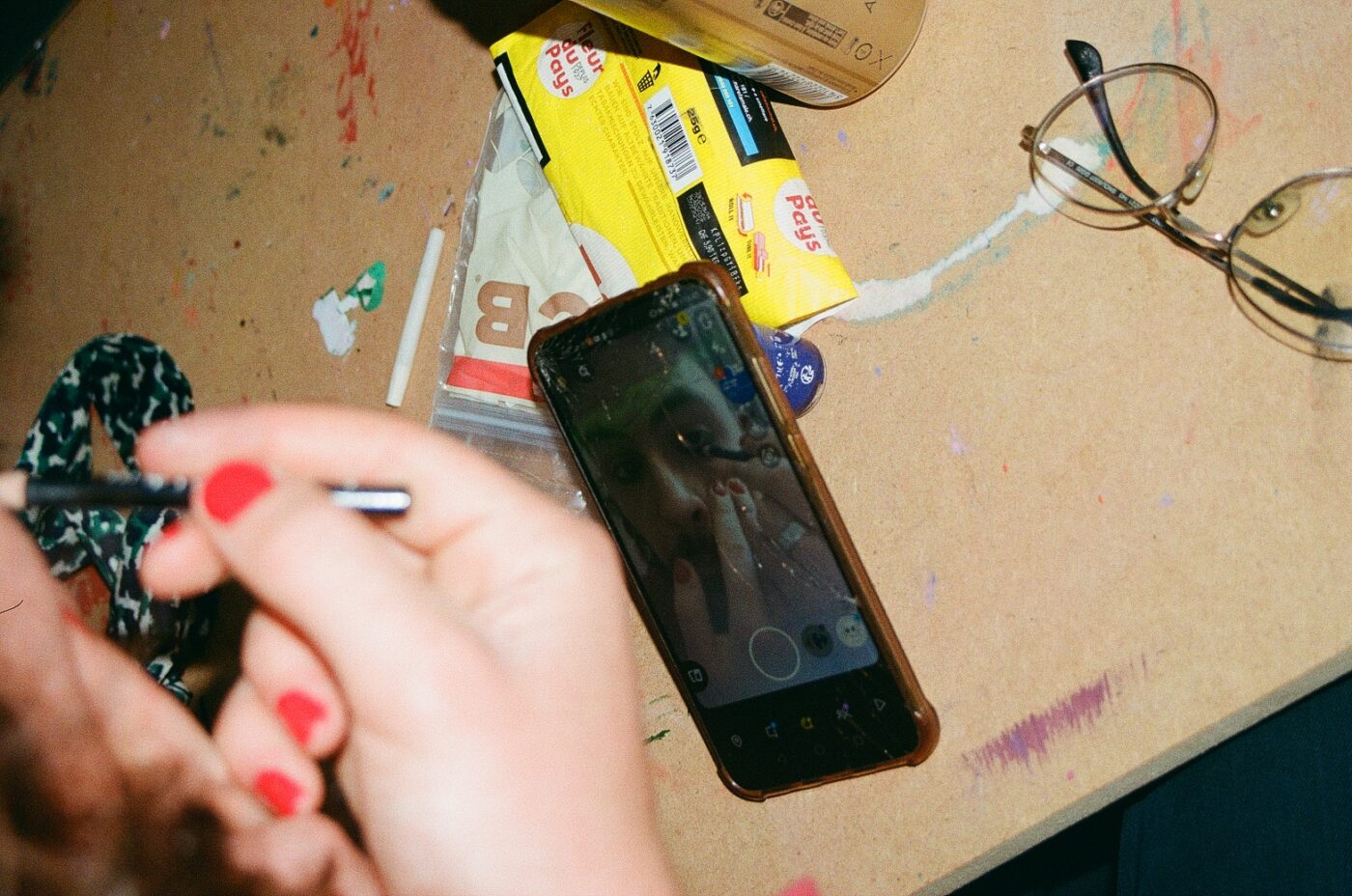
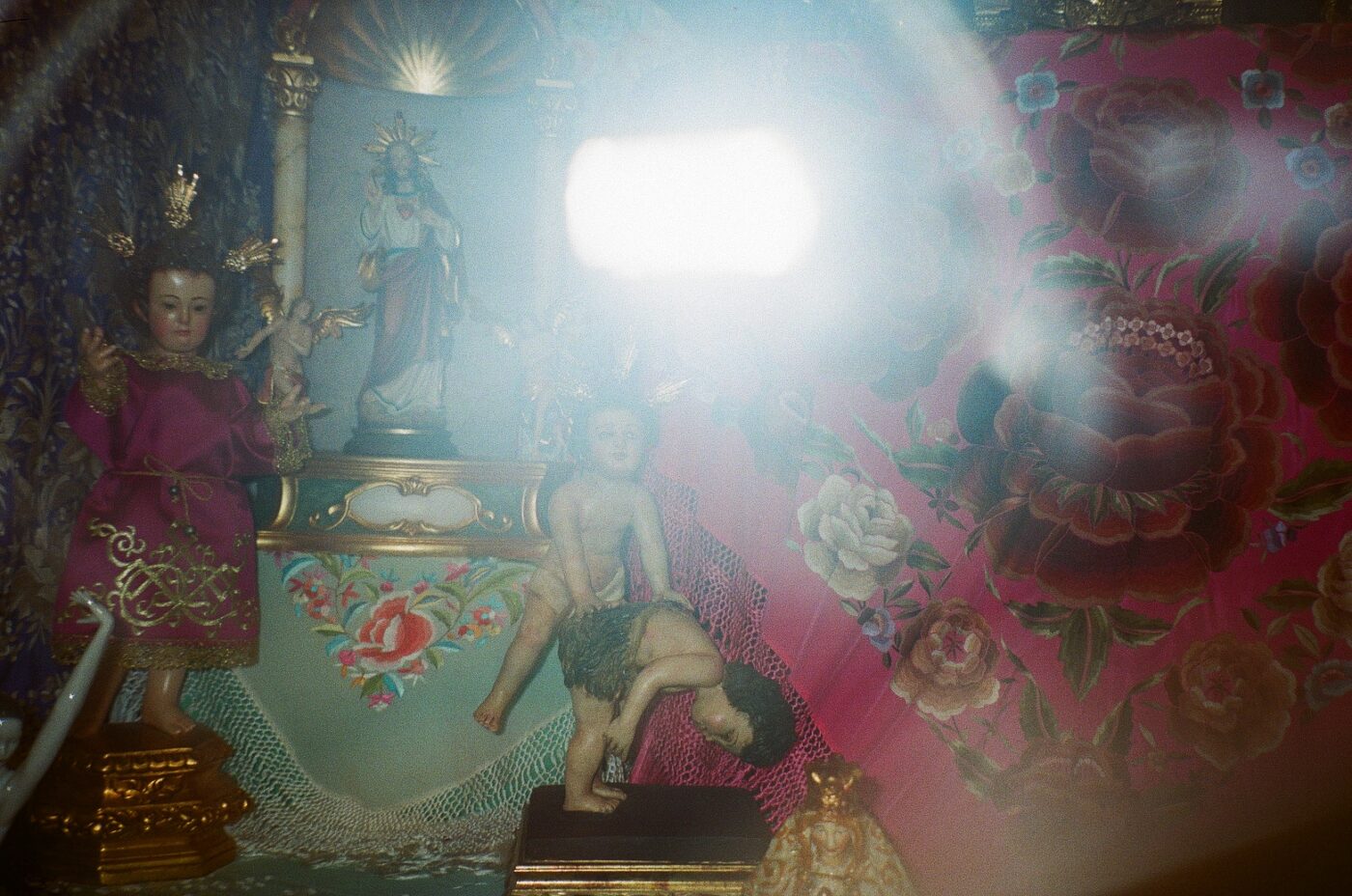
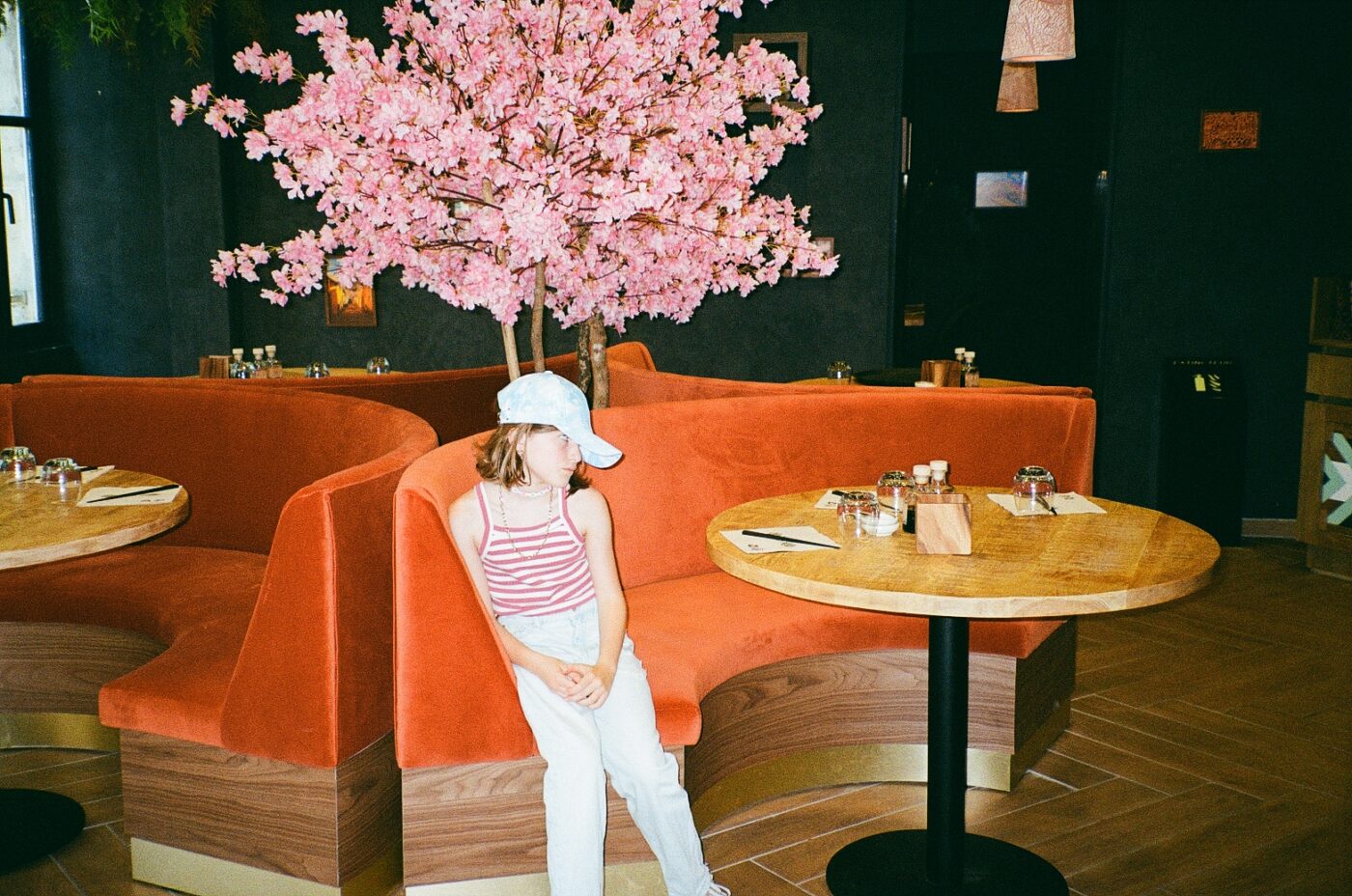
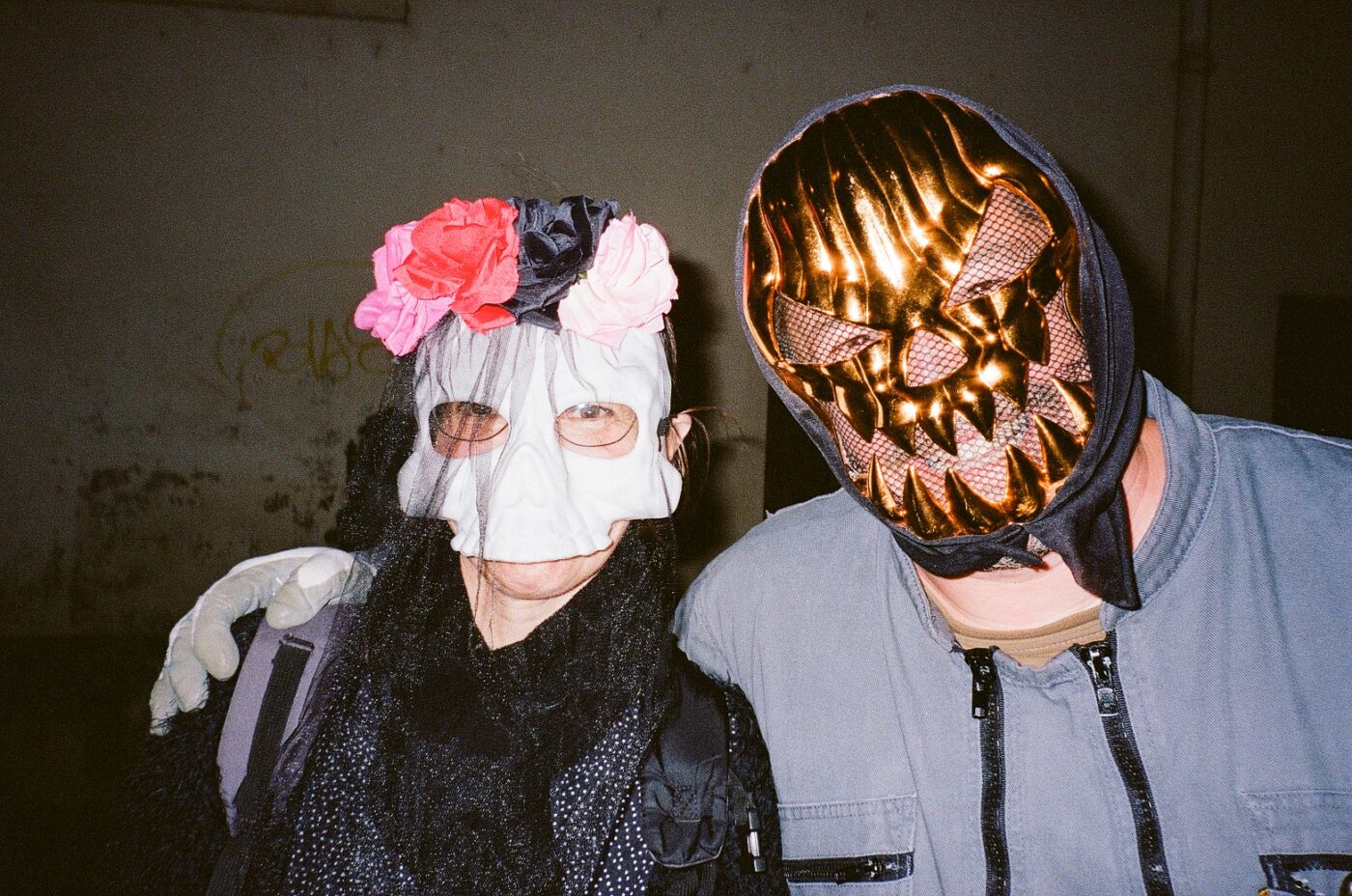
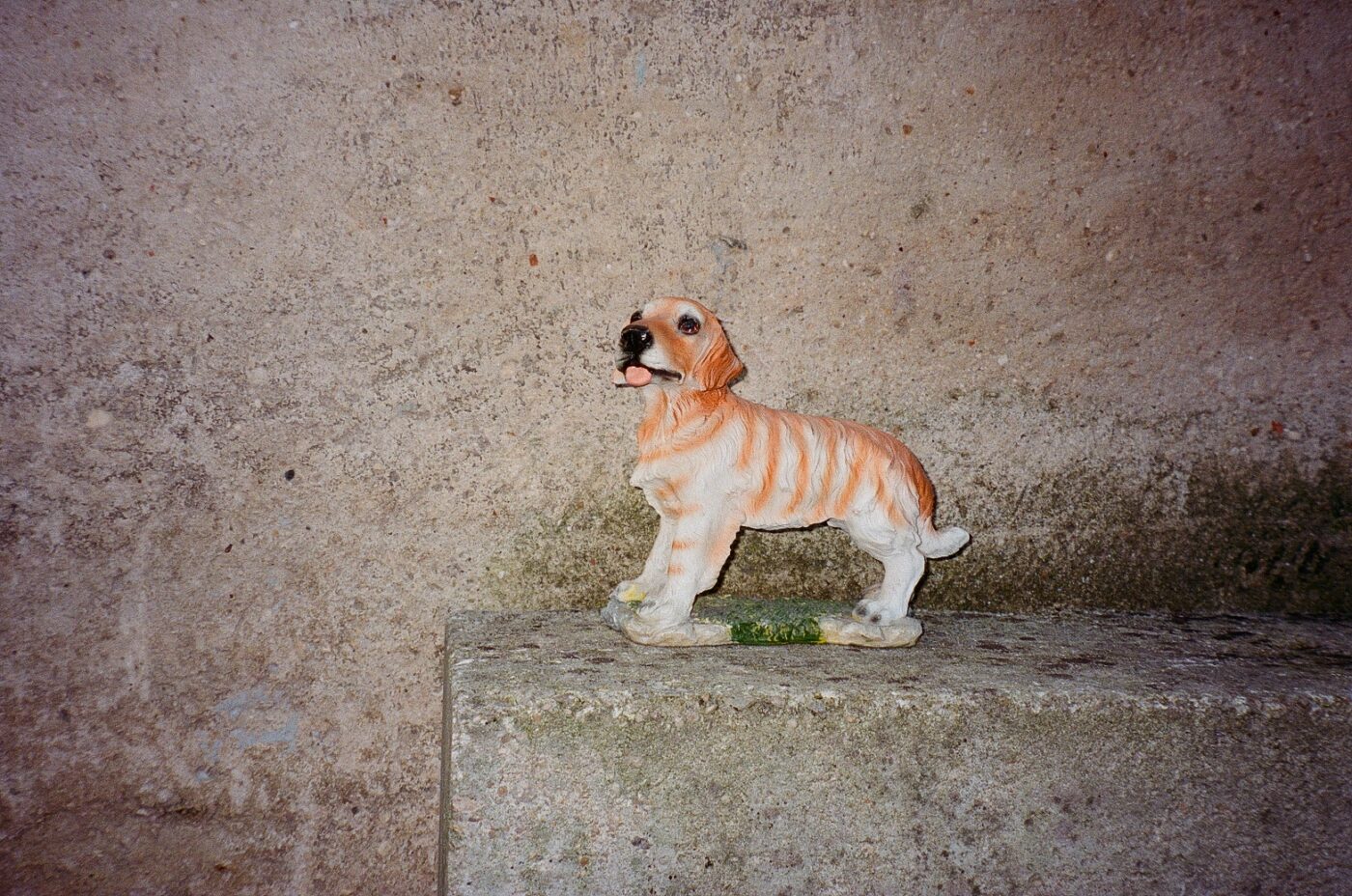
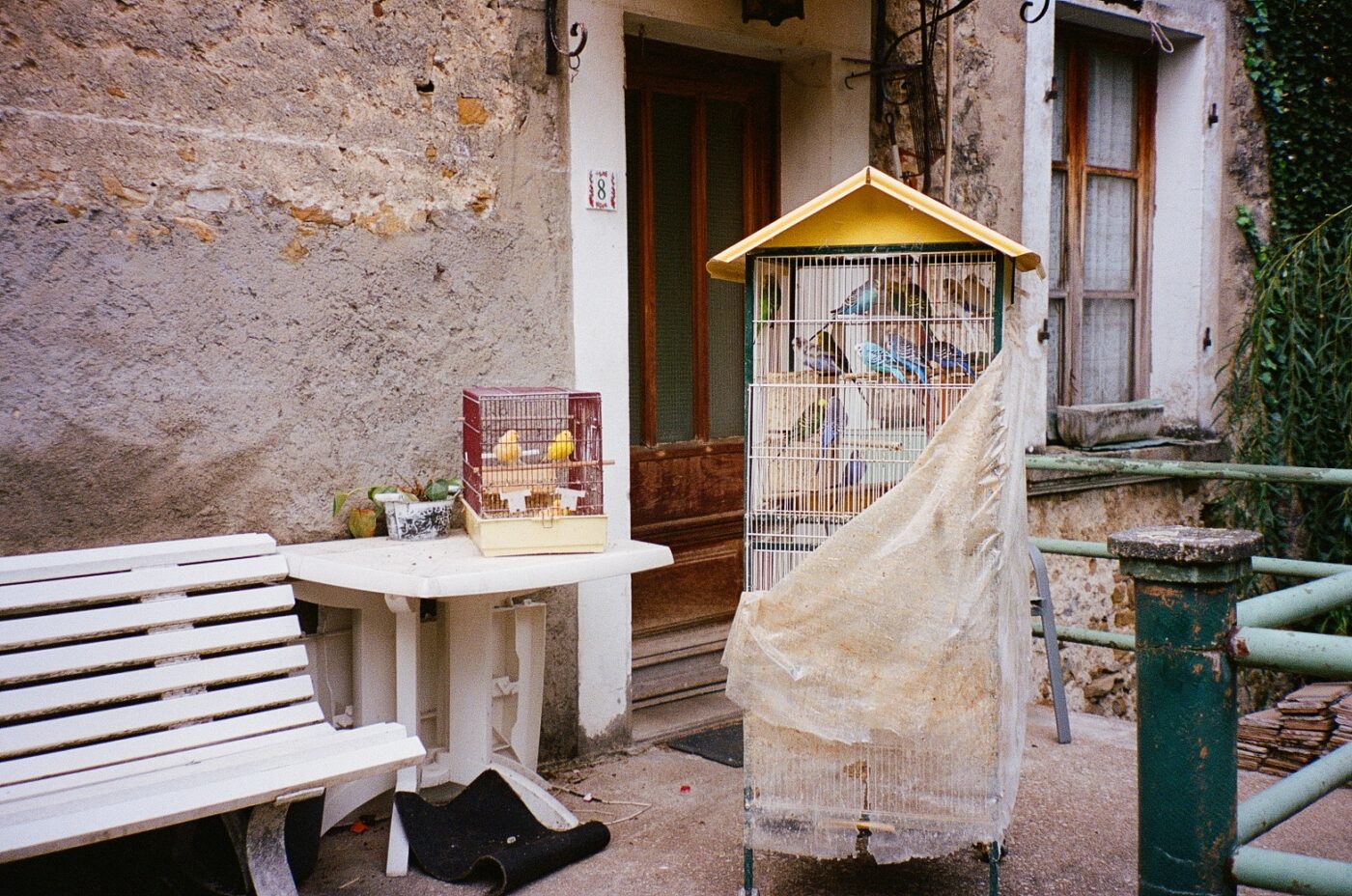
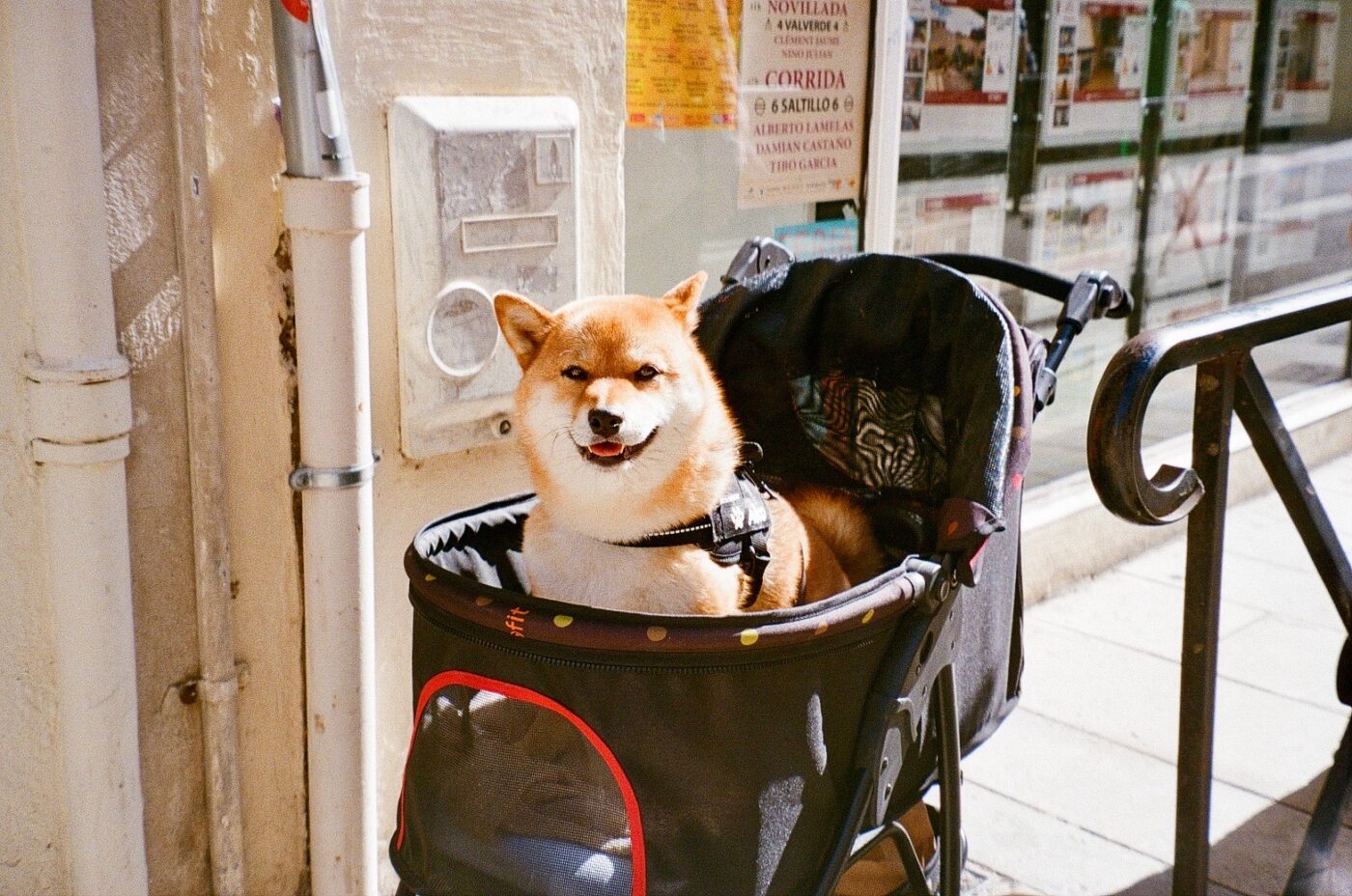
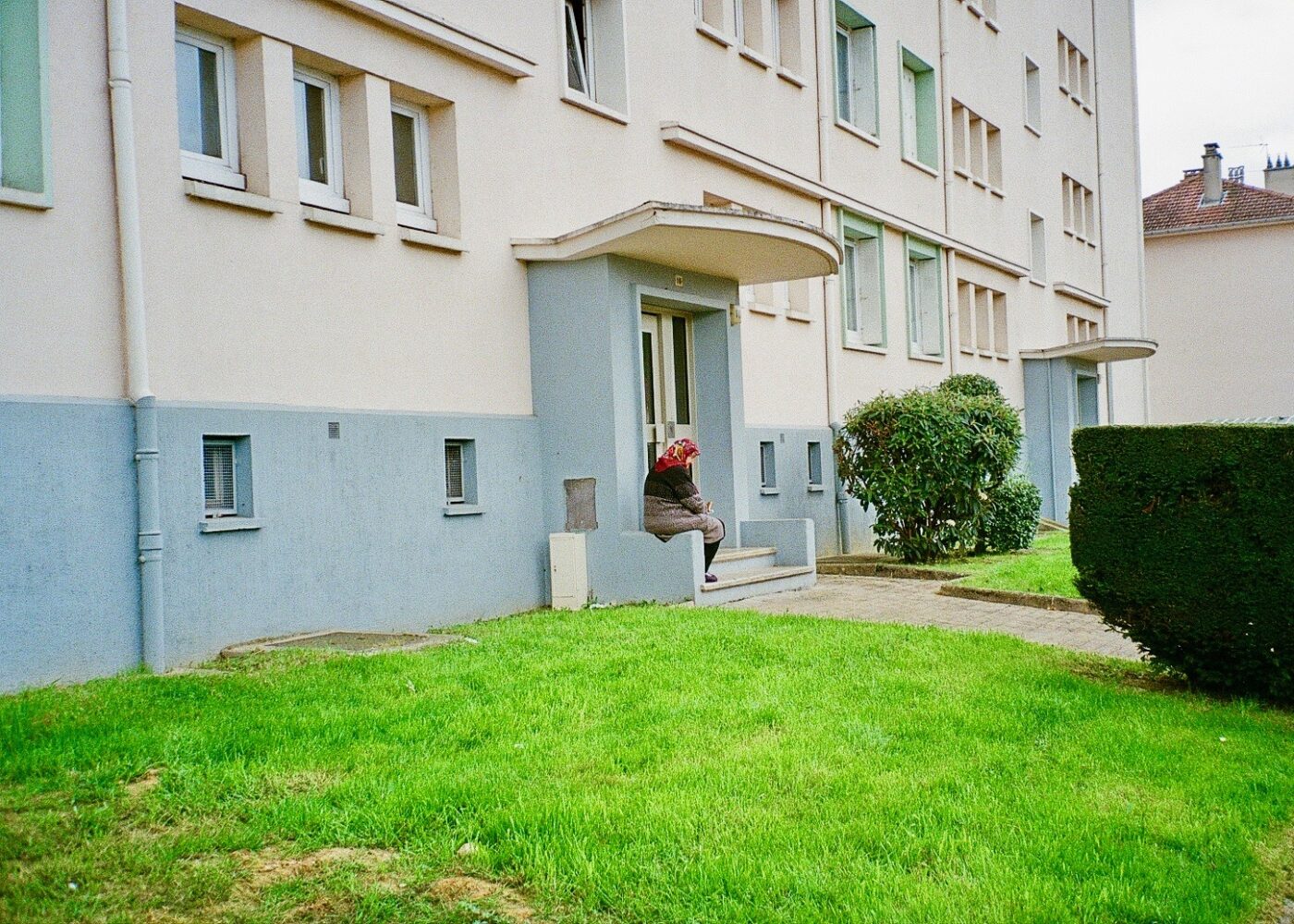
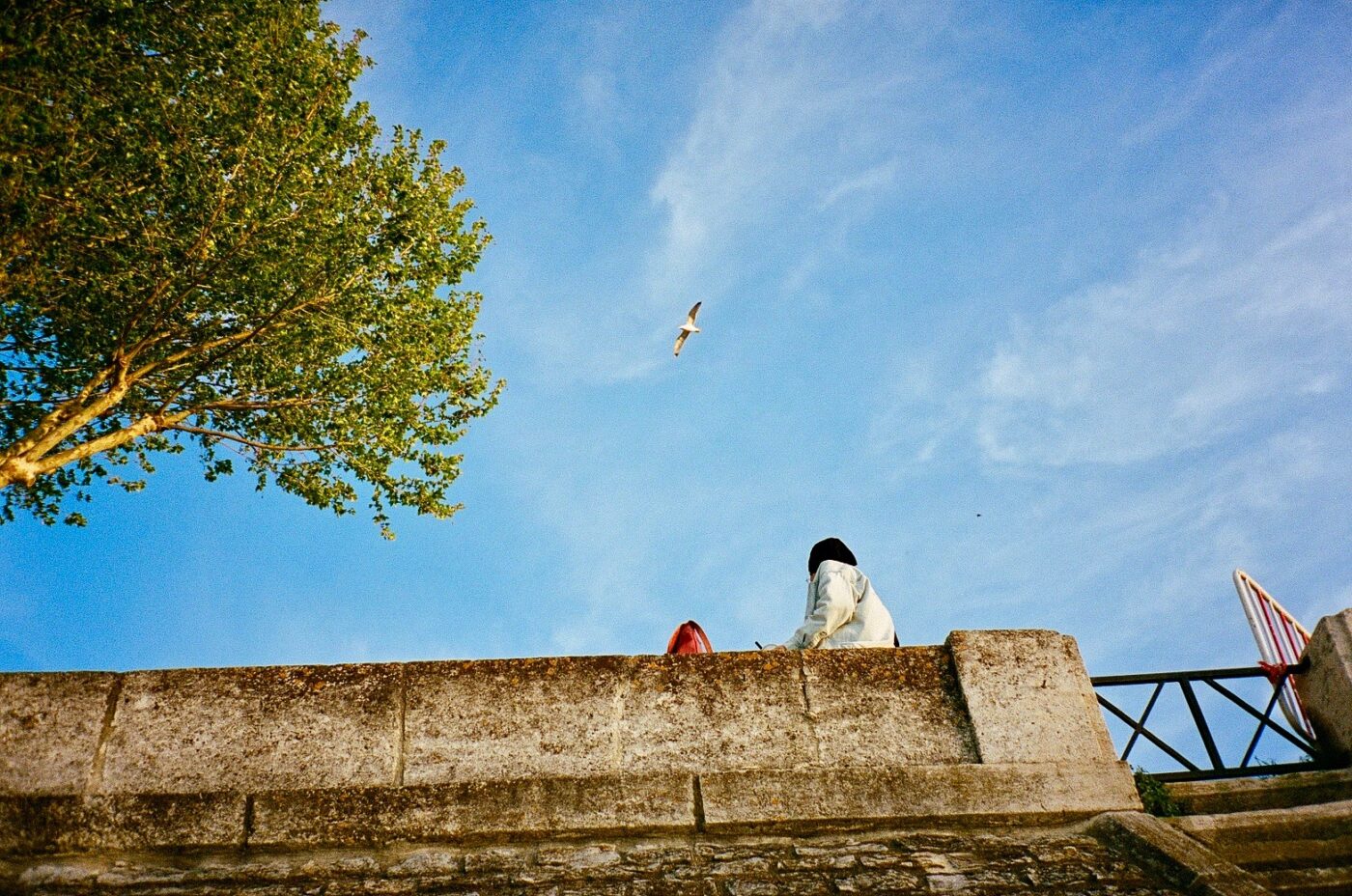
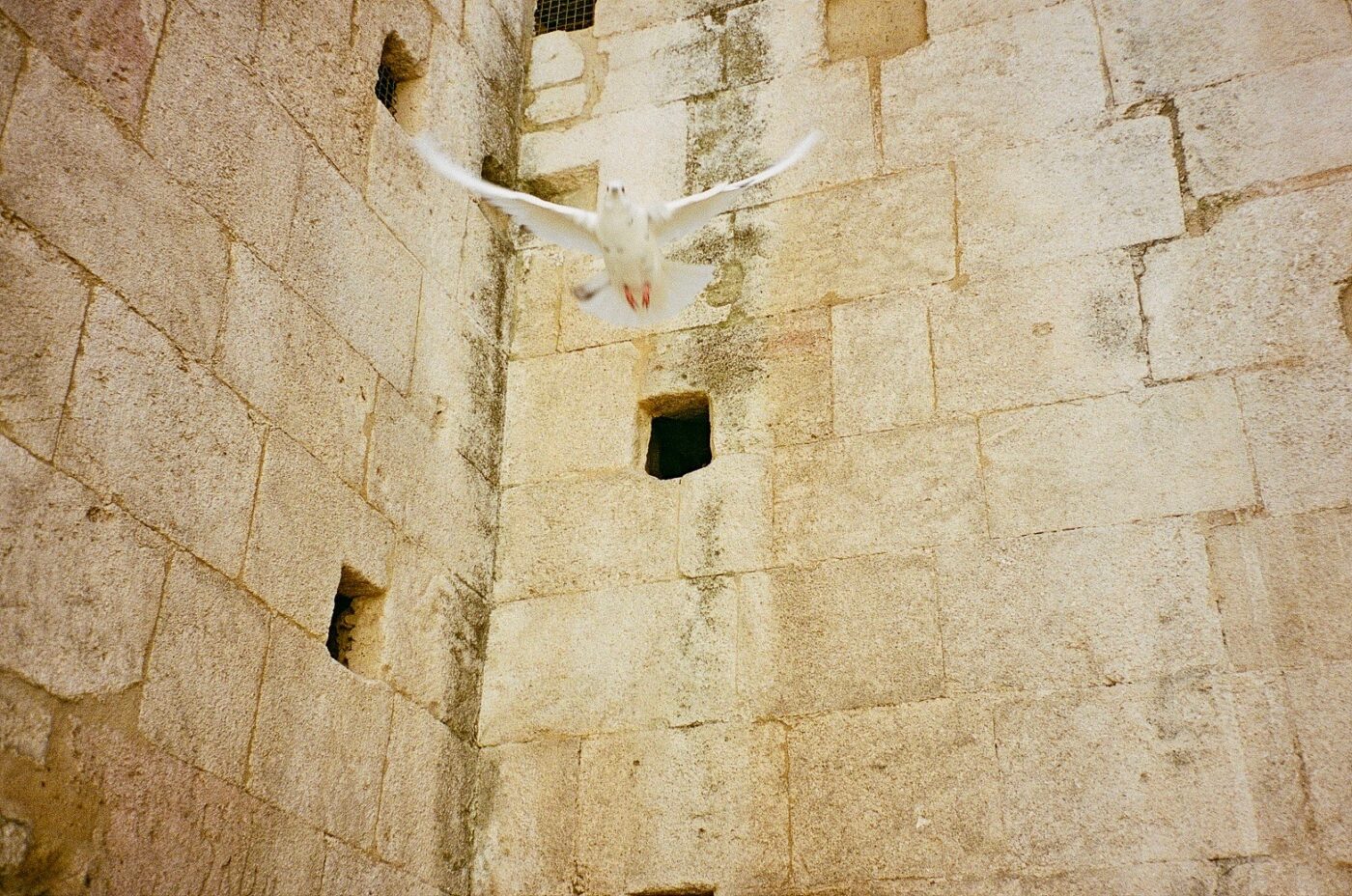
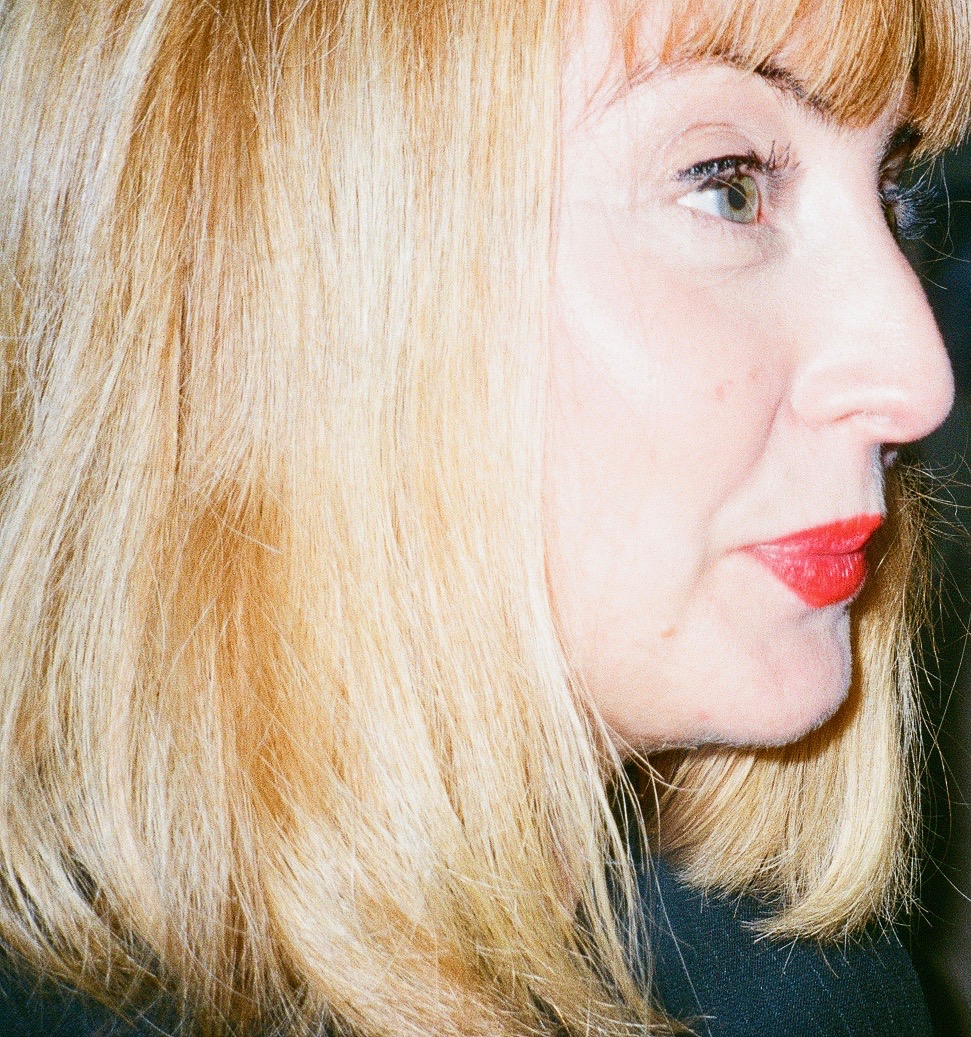
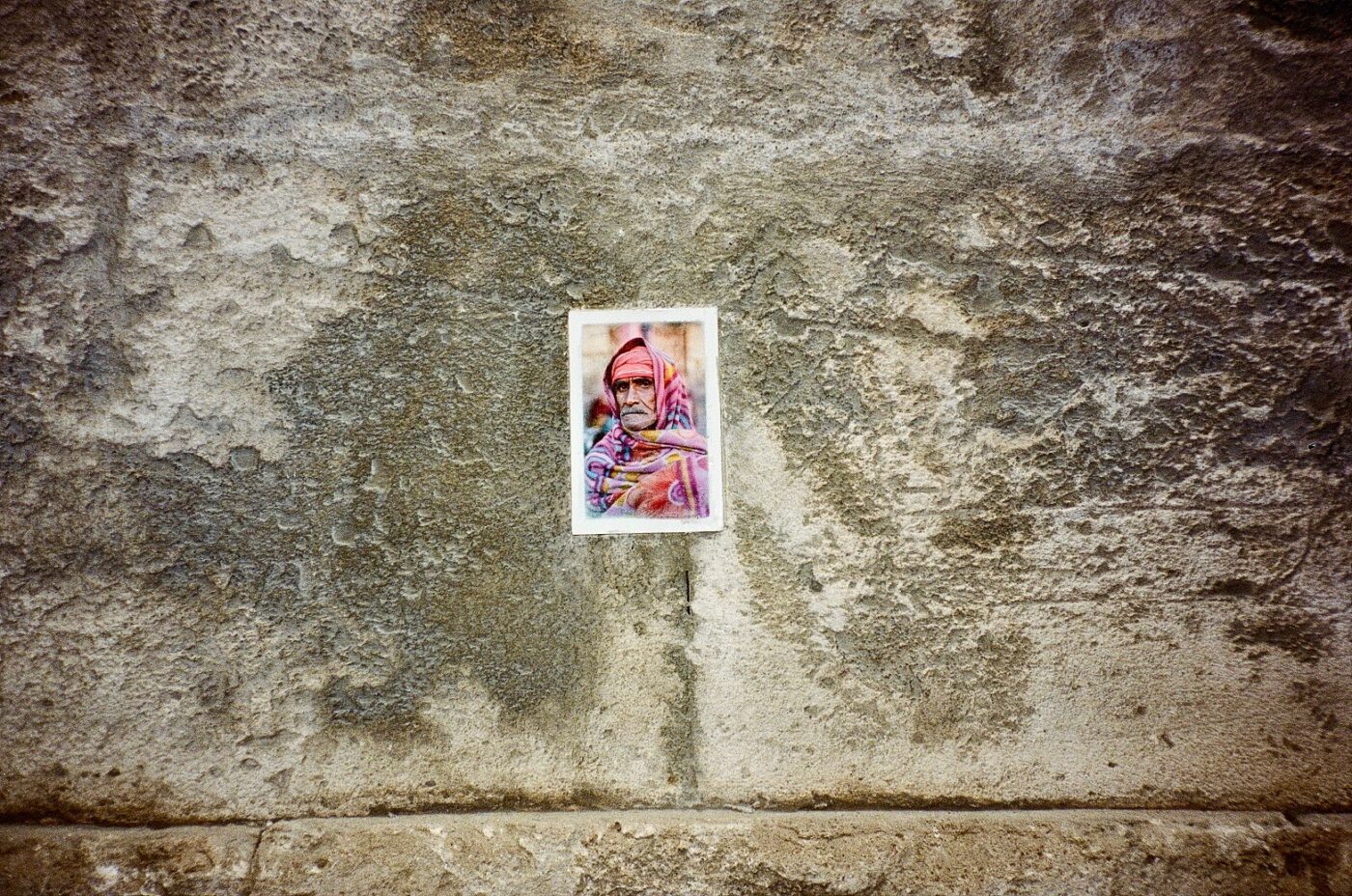
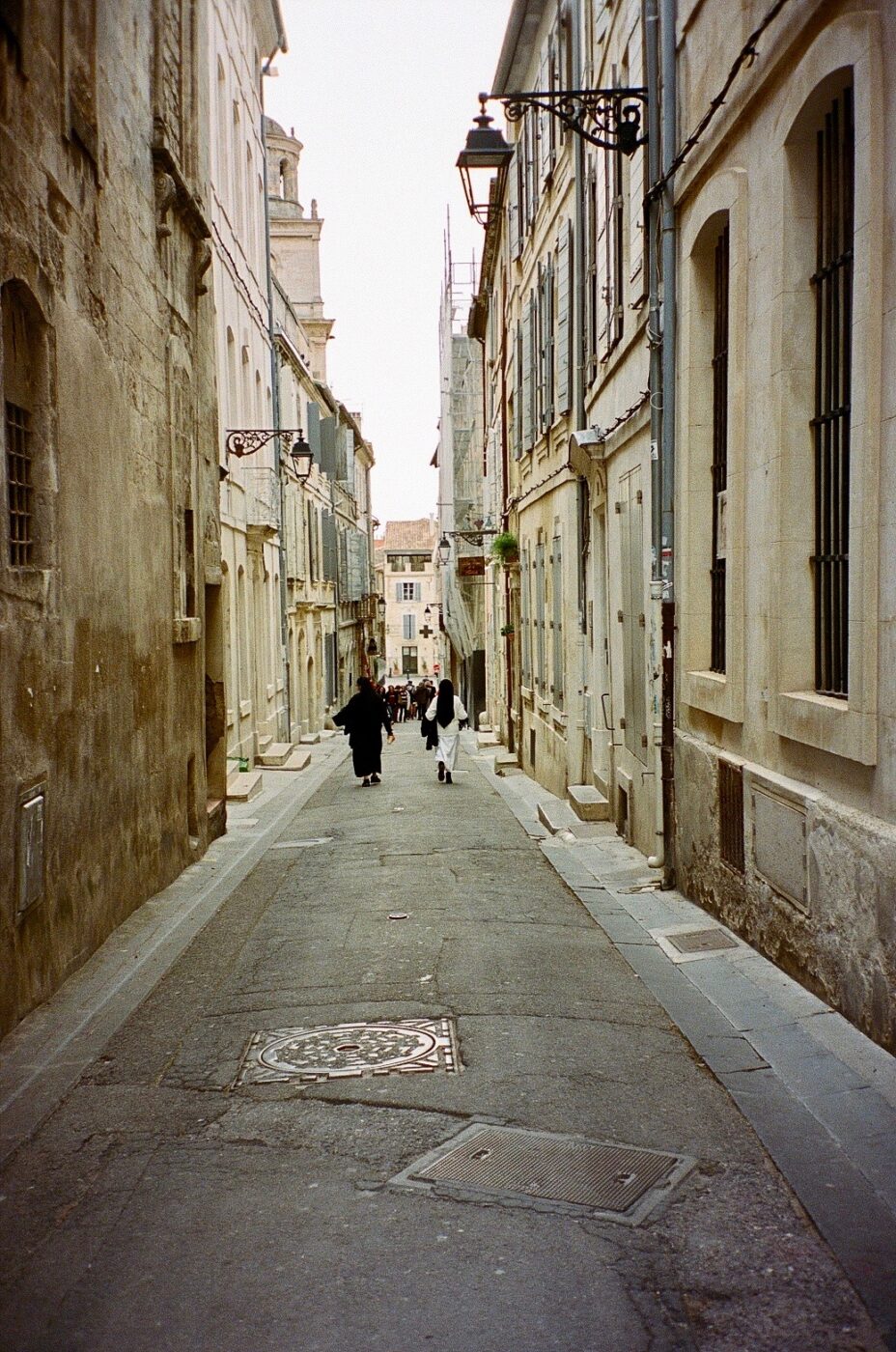
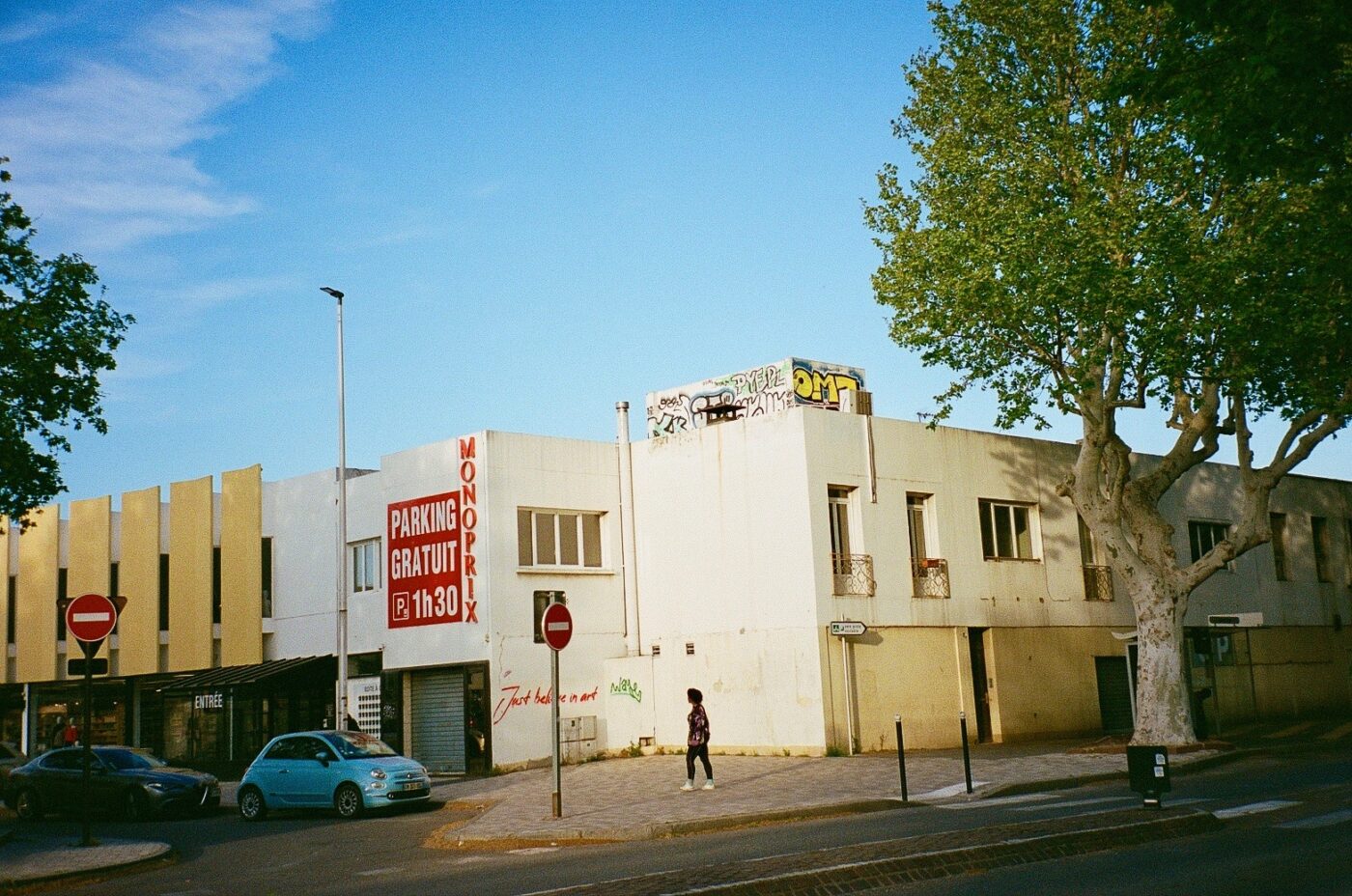
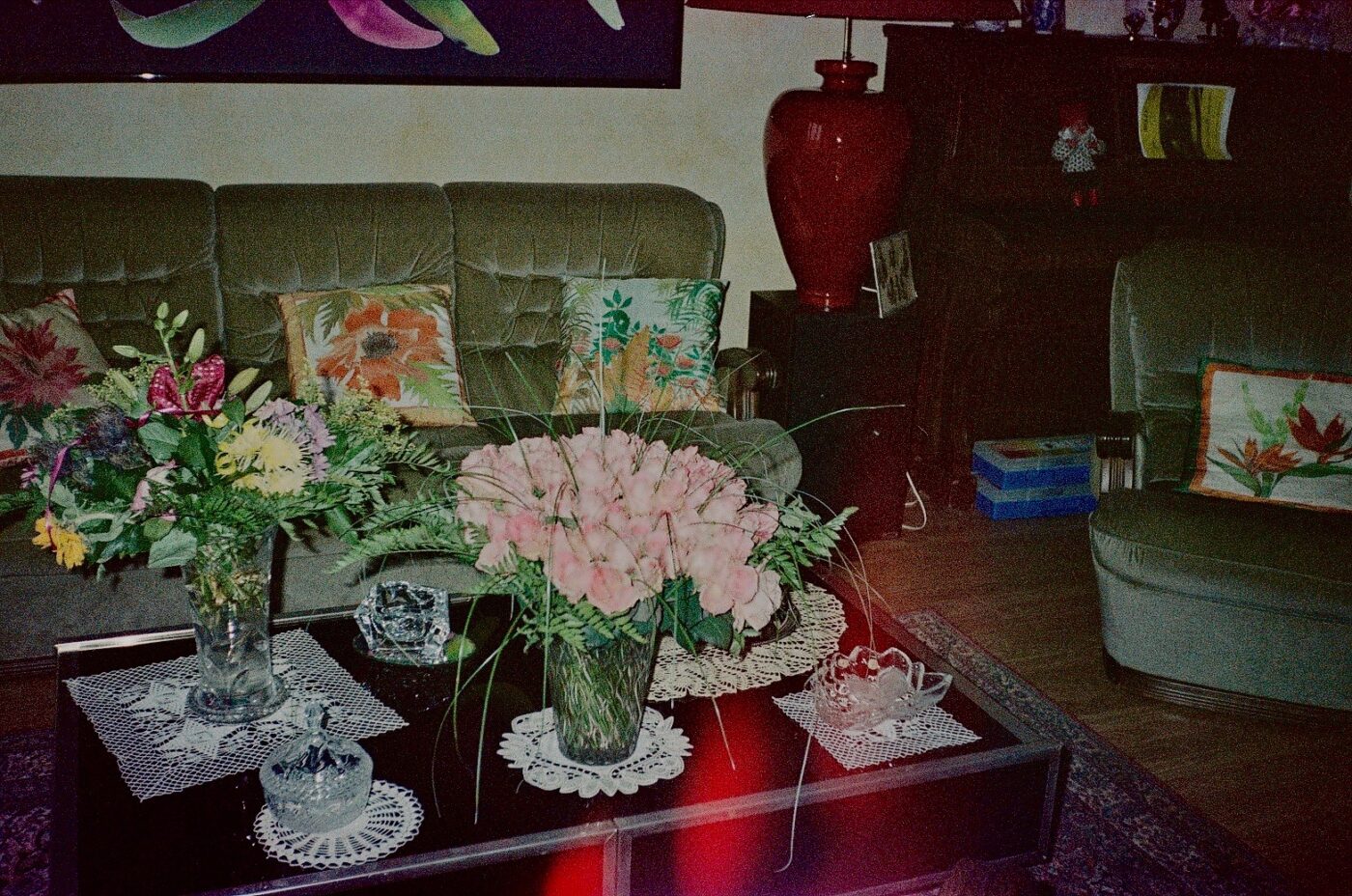
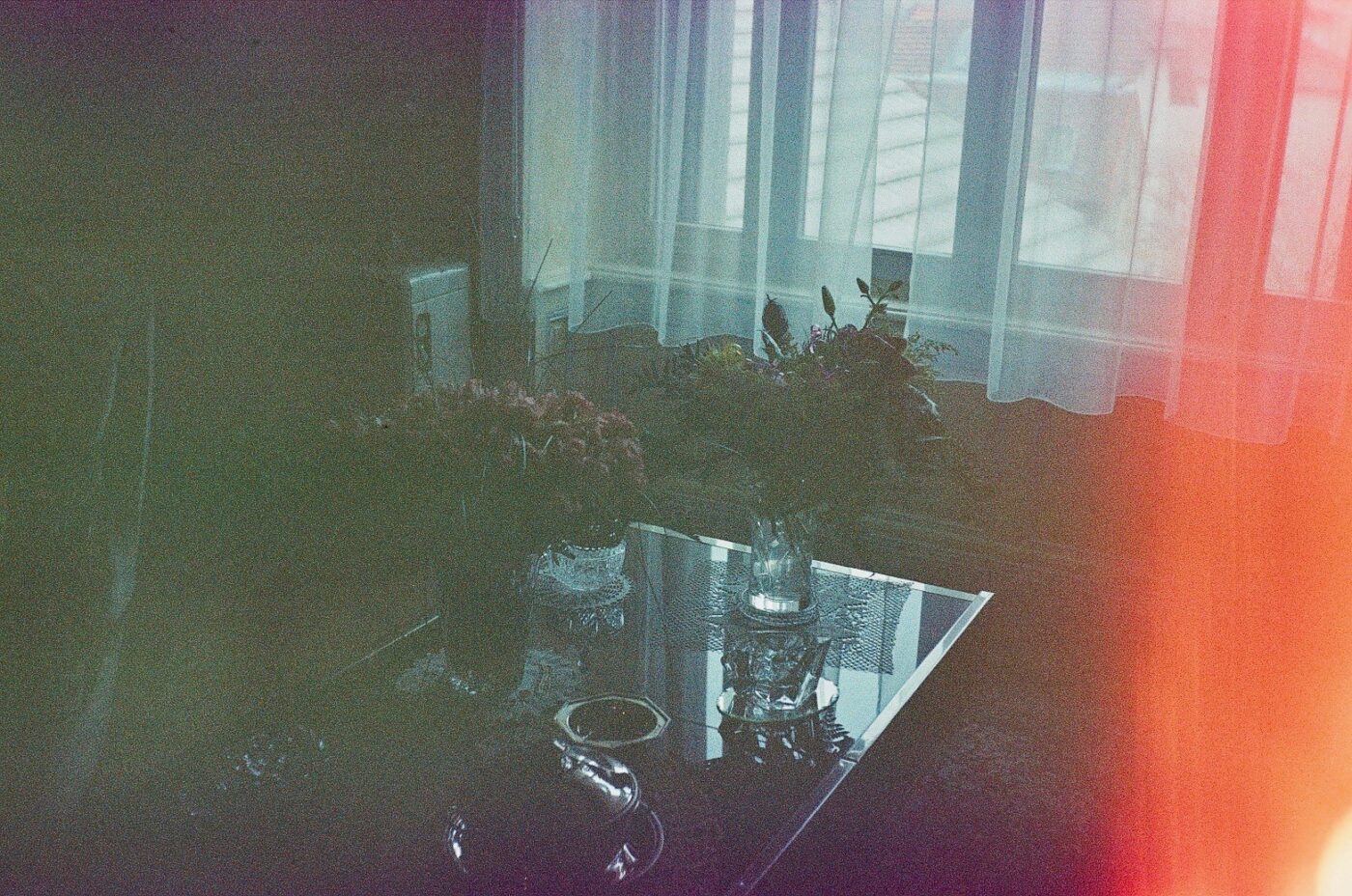
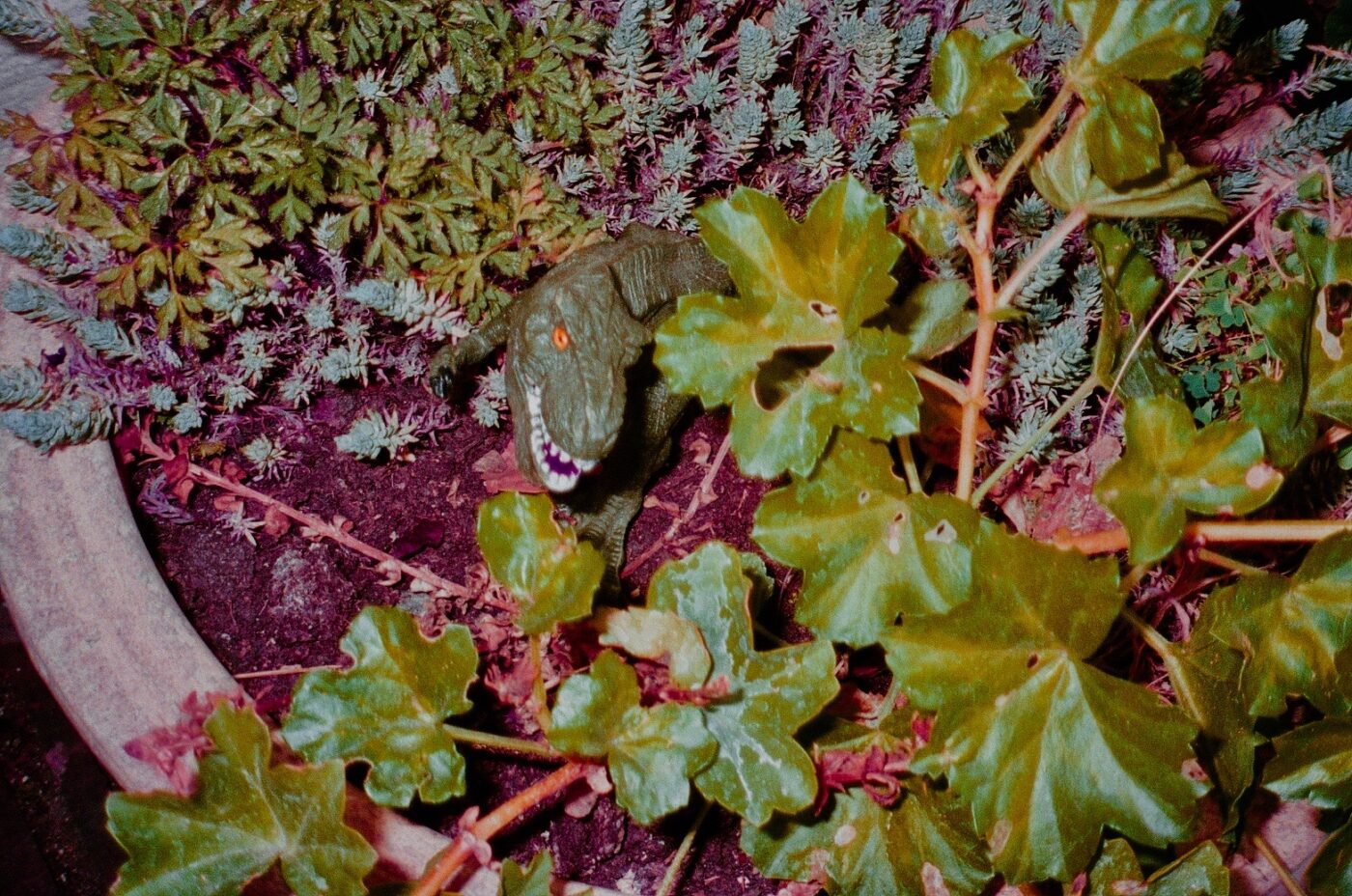
Canon Prima 130 Portra 400
Journal Photographique Juin Juillet Aout
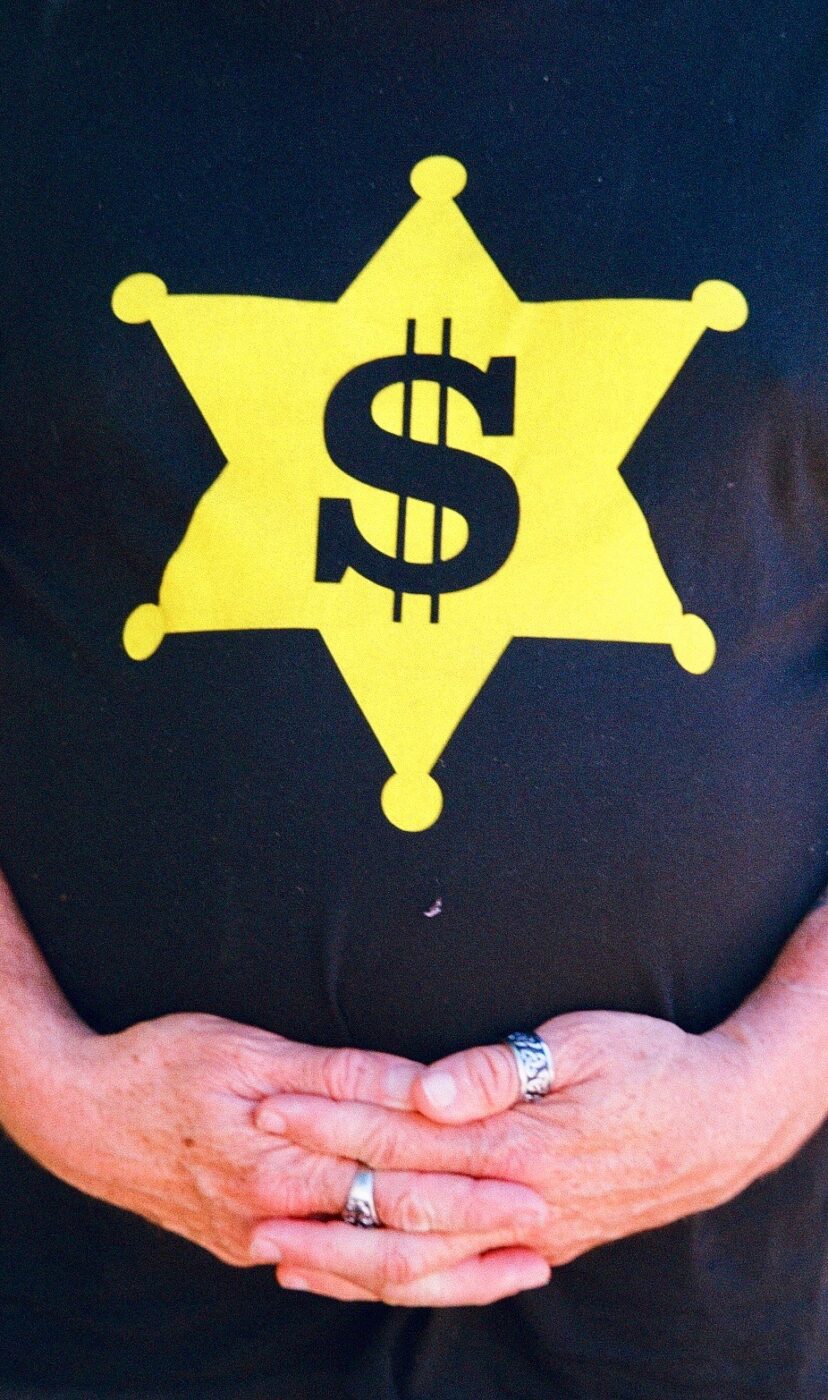
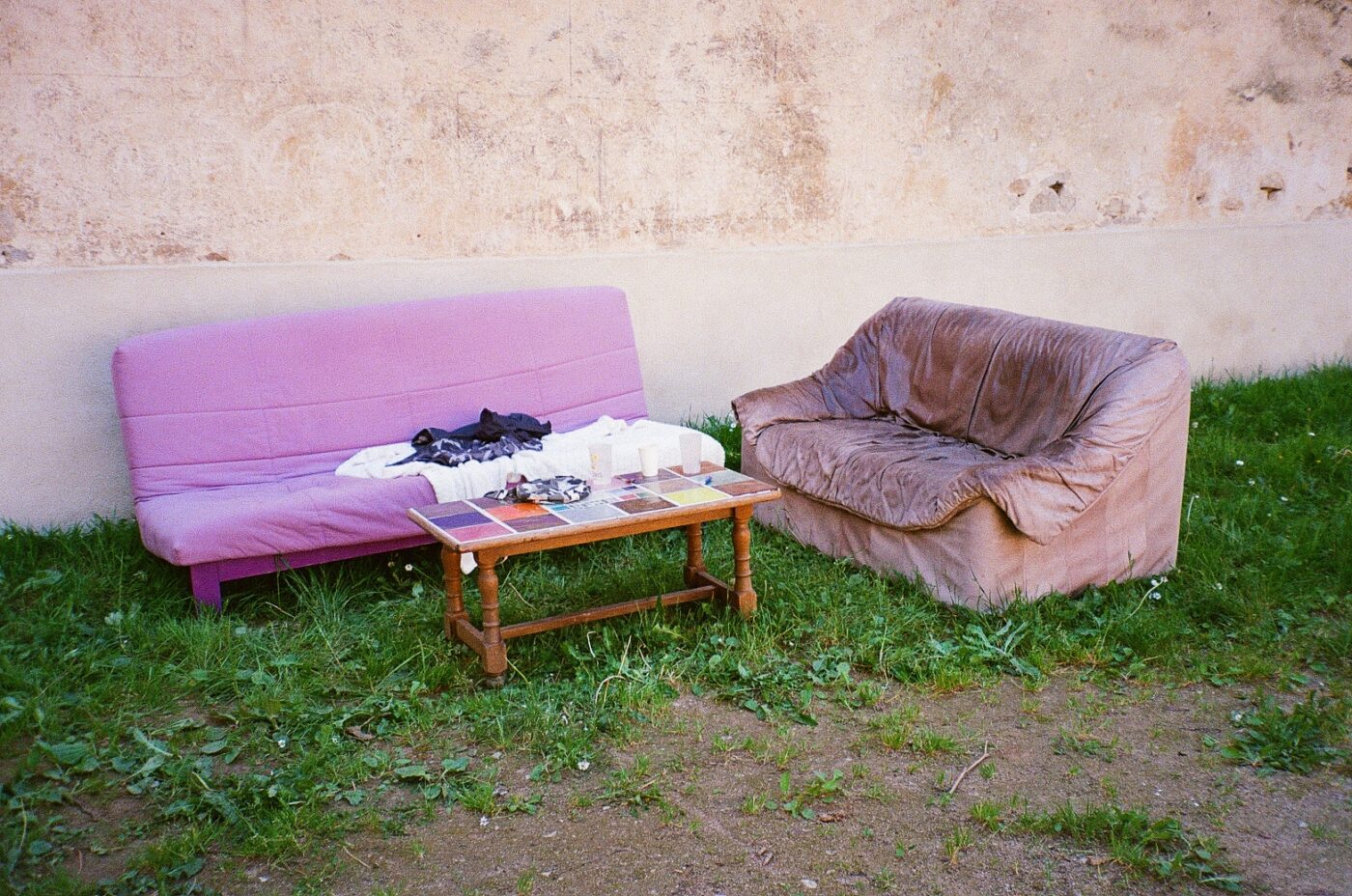
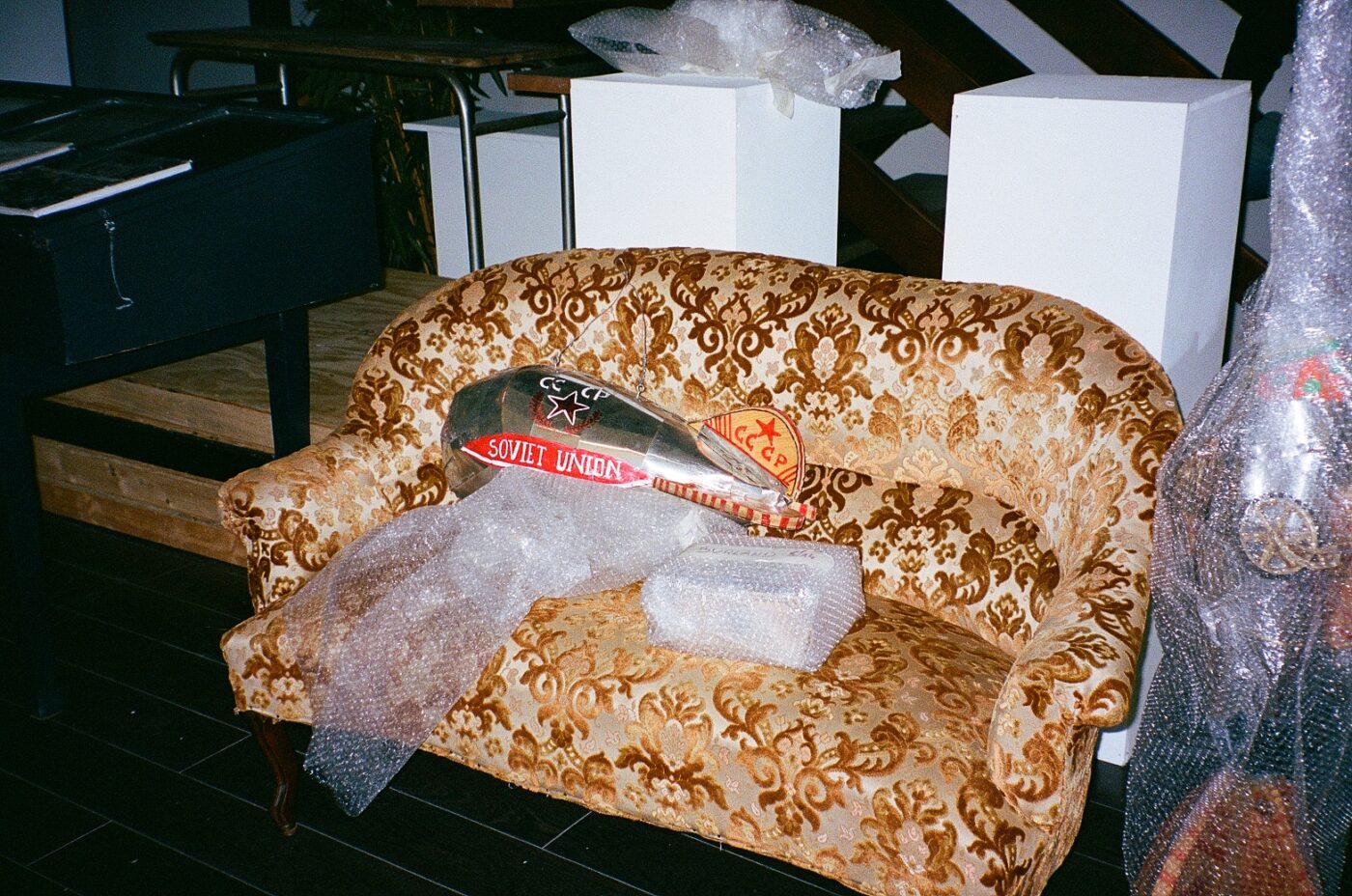
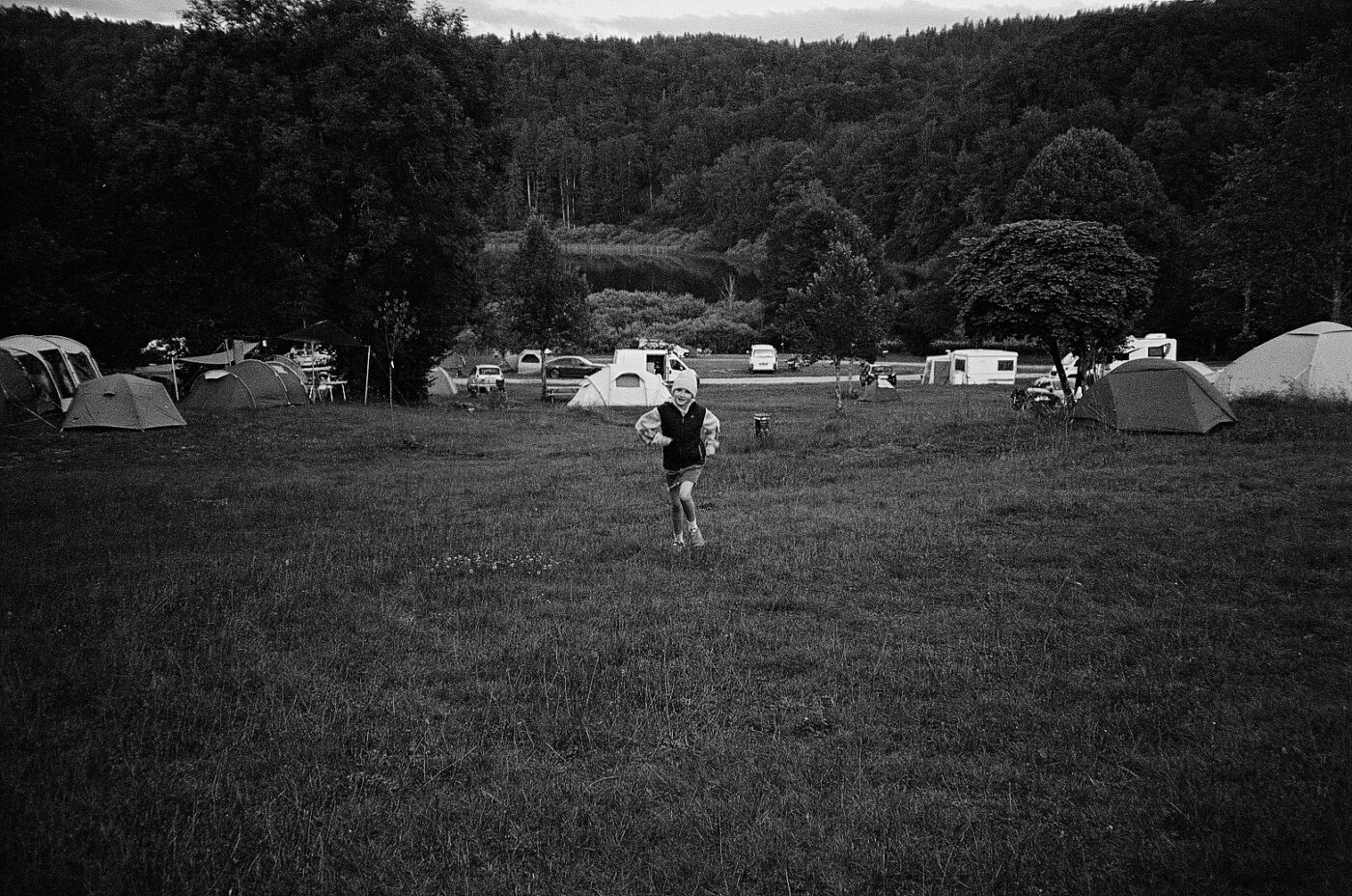
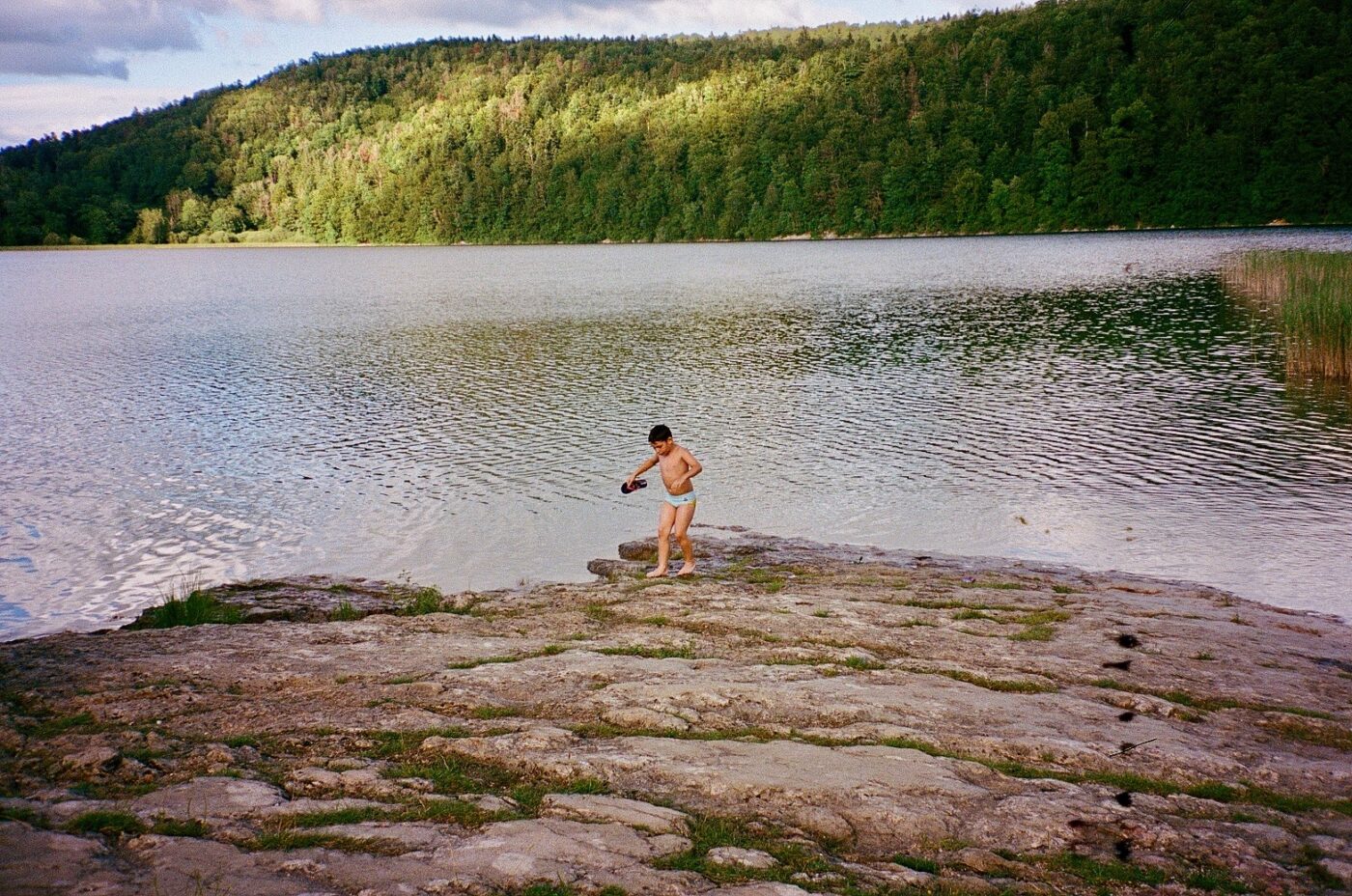
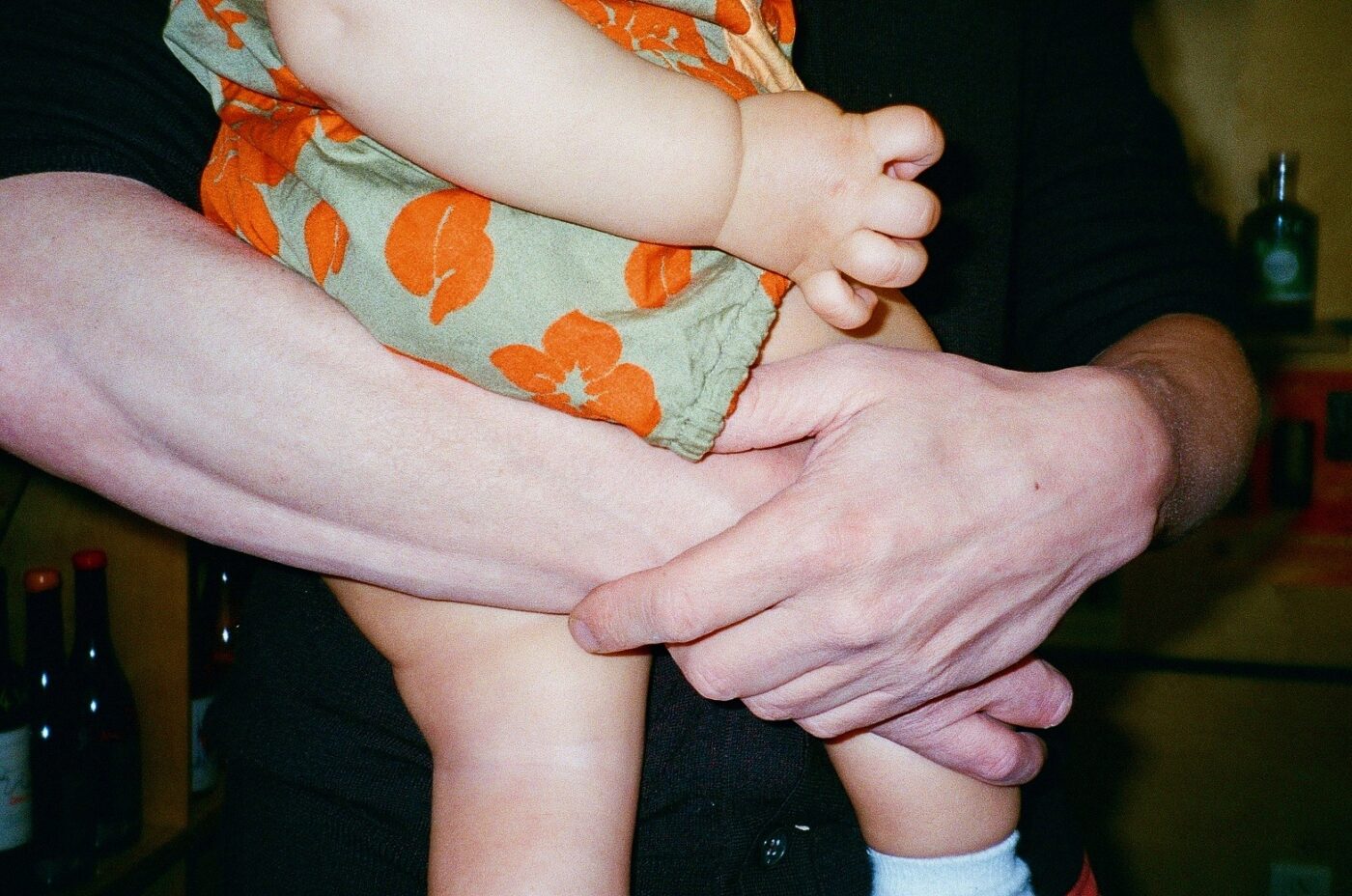
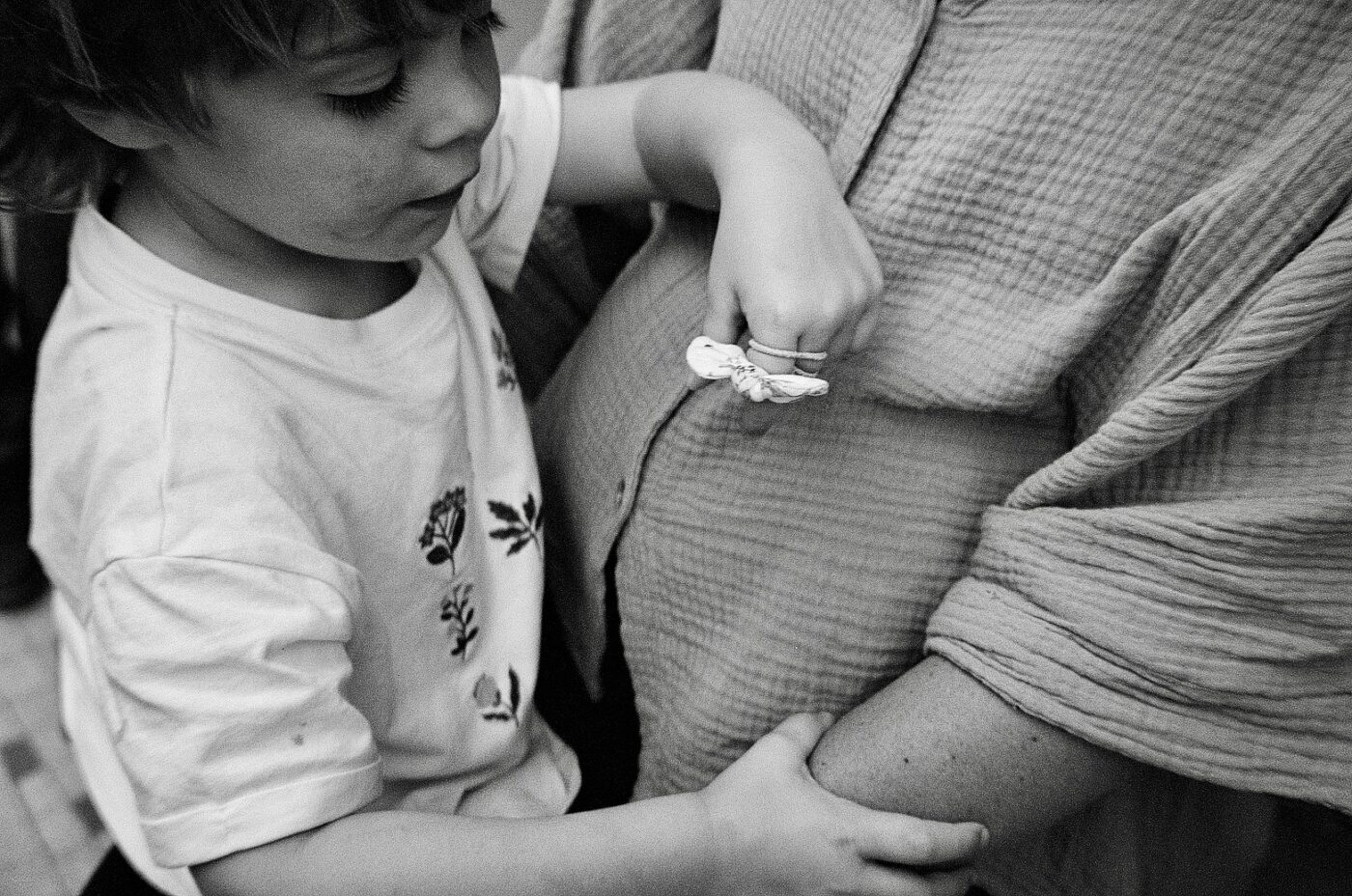
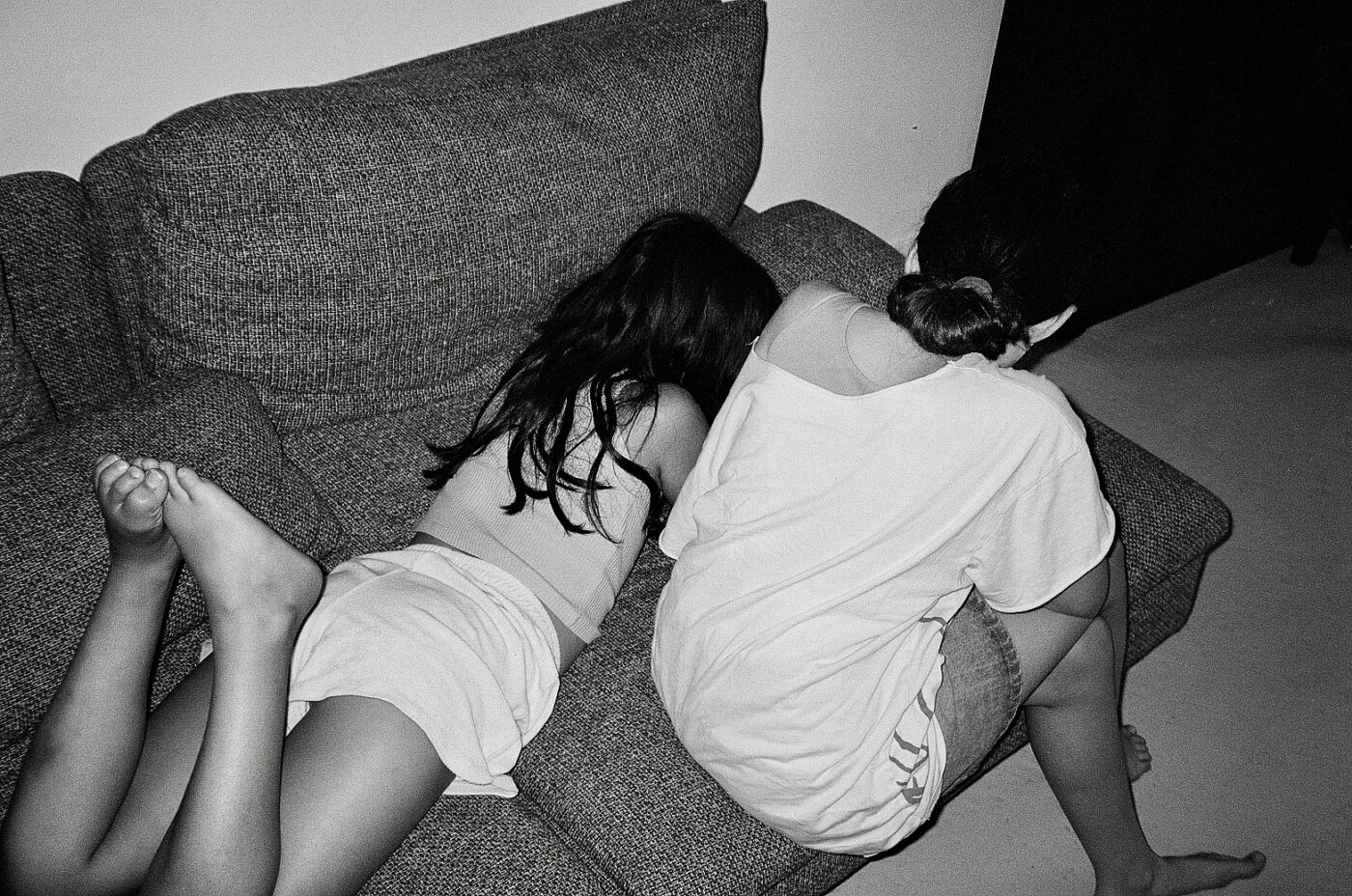
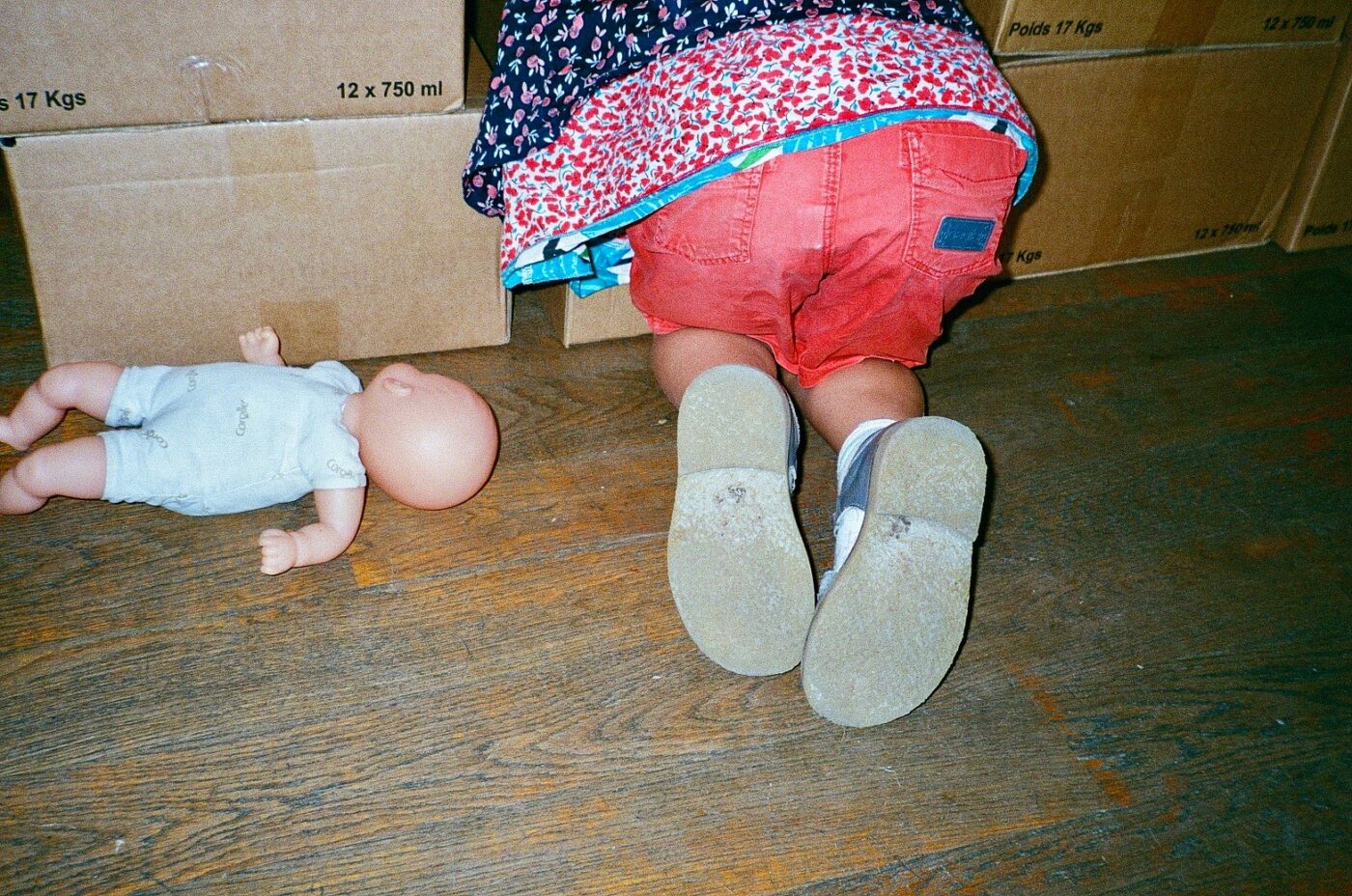
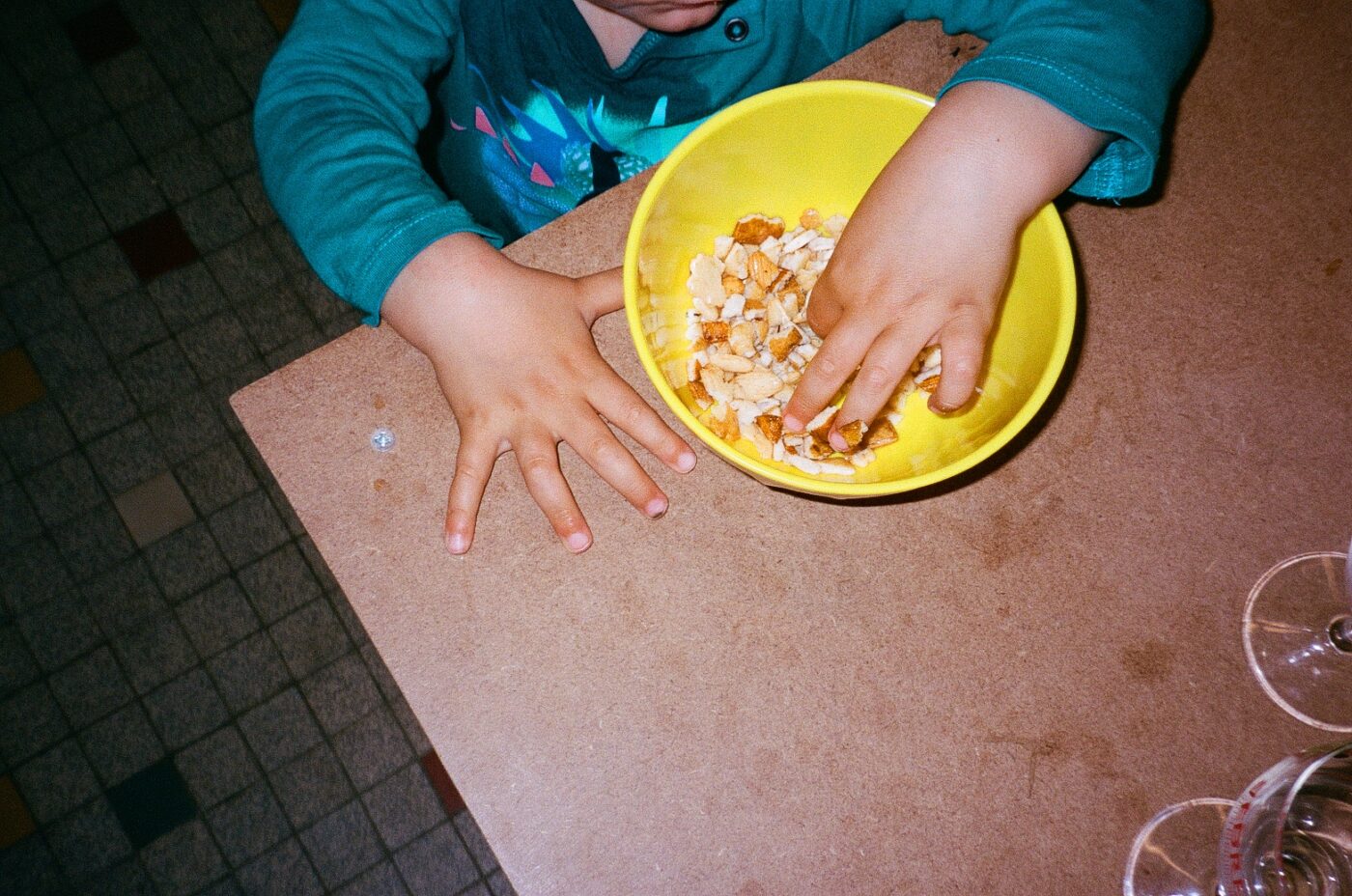
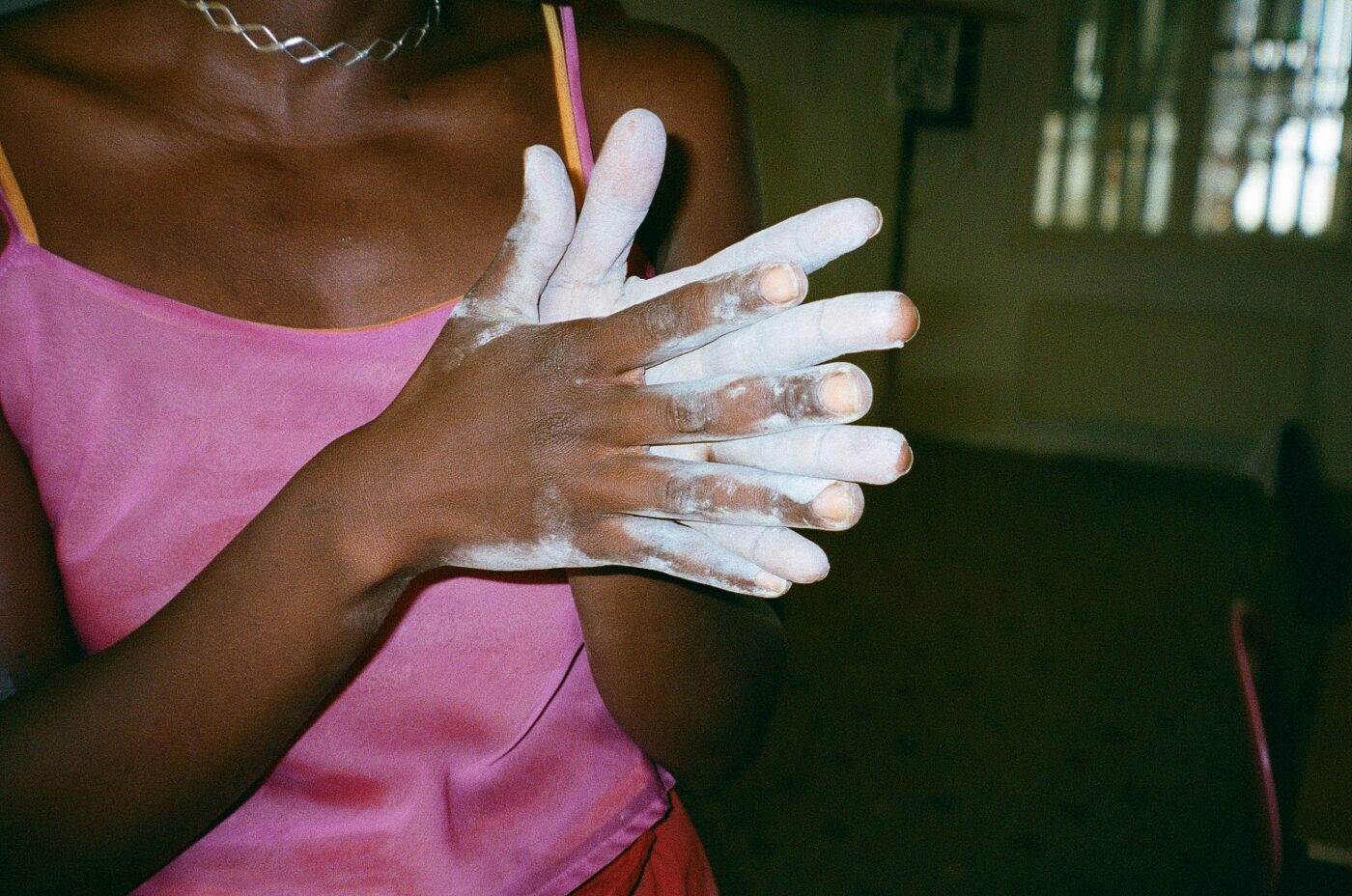
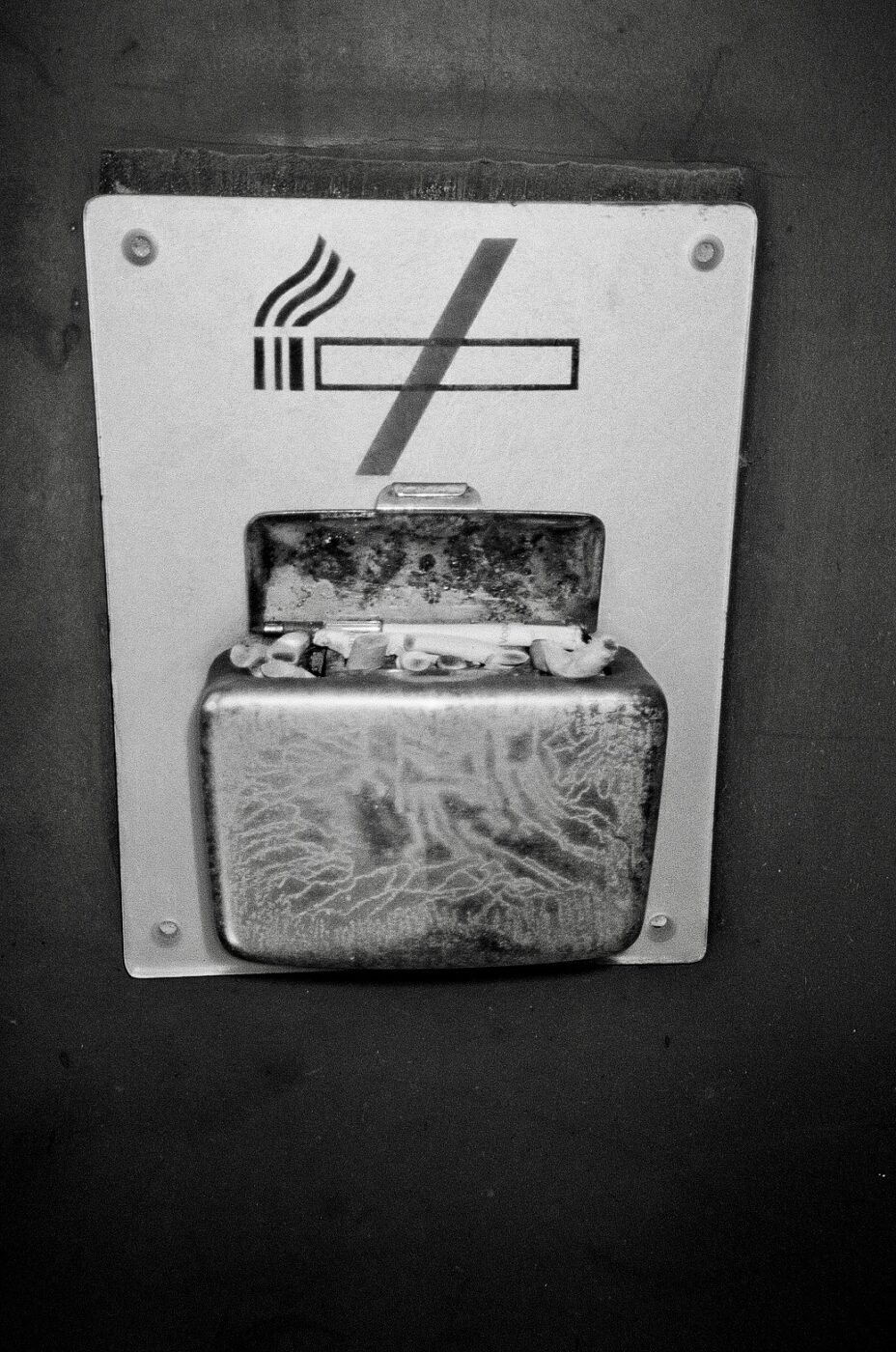
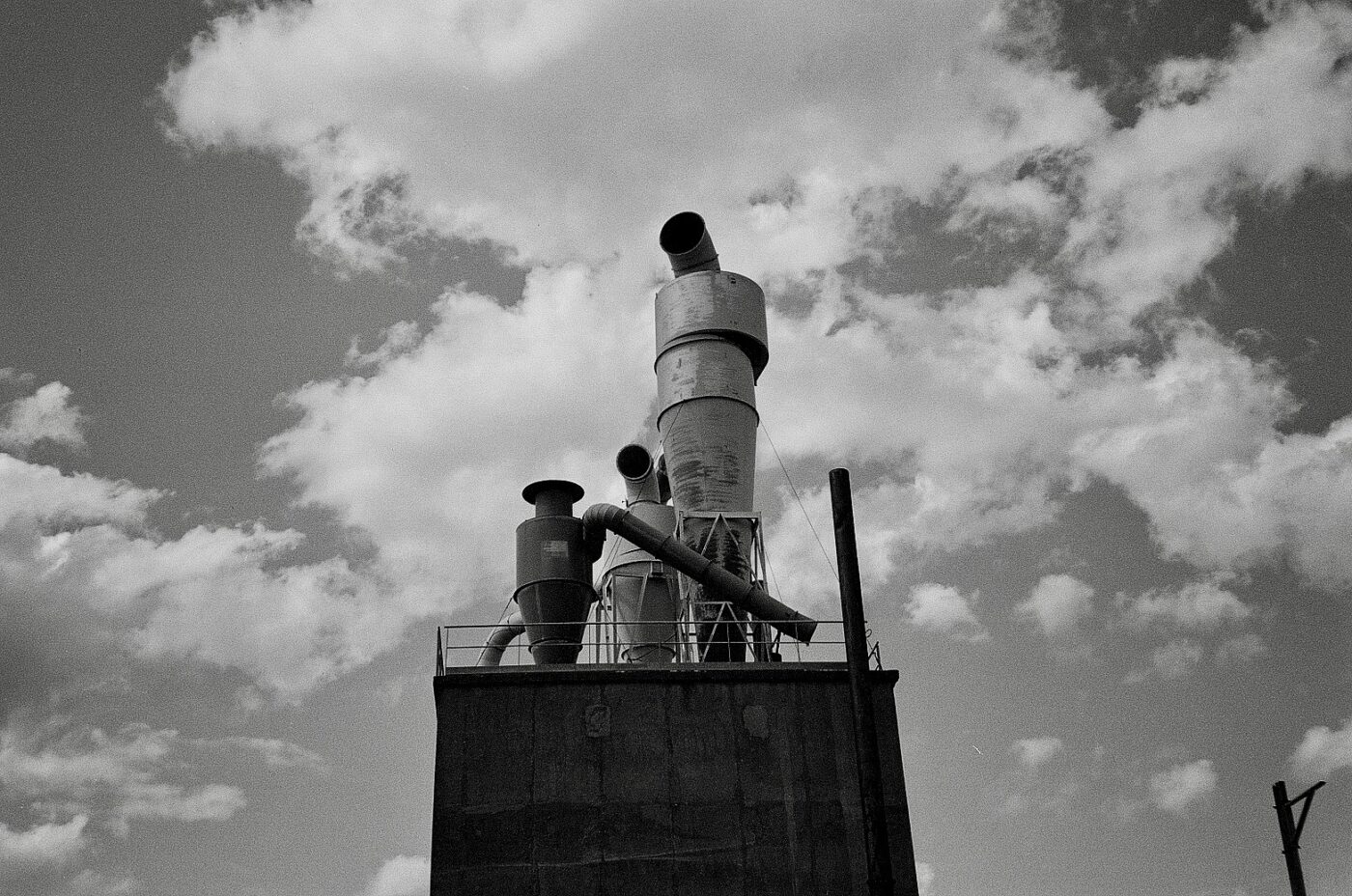
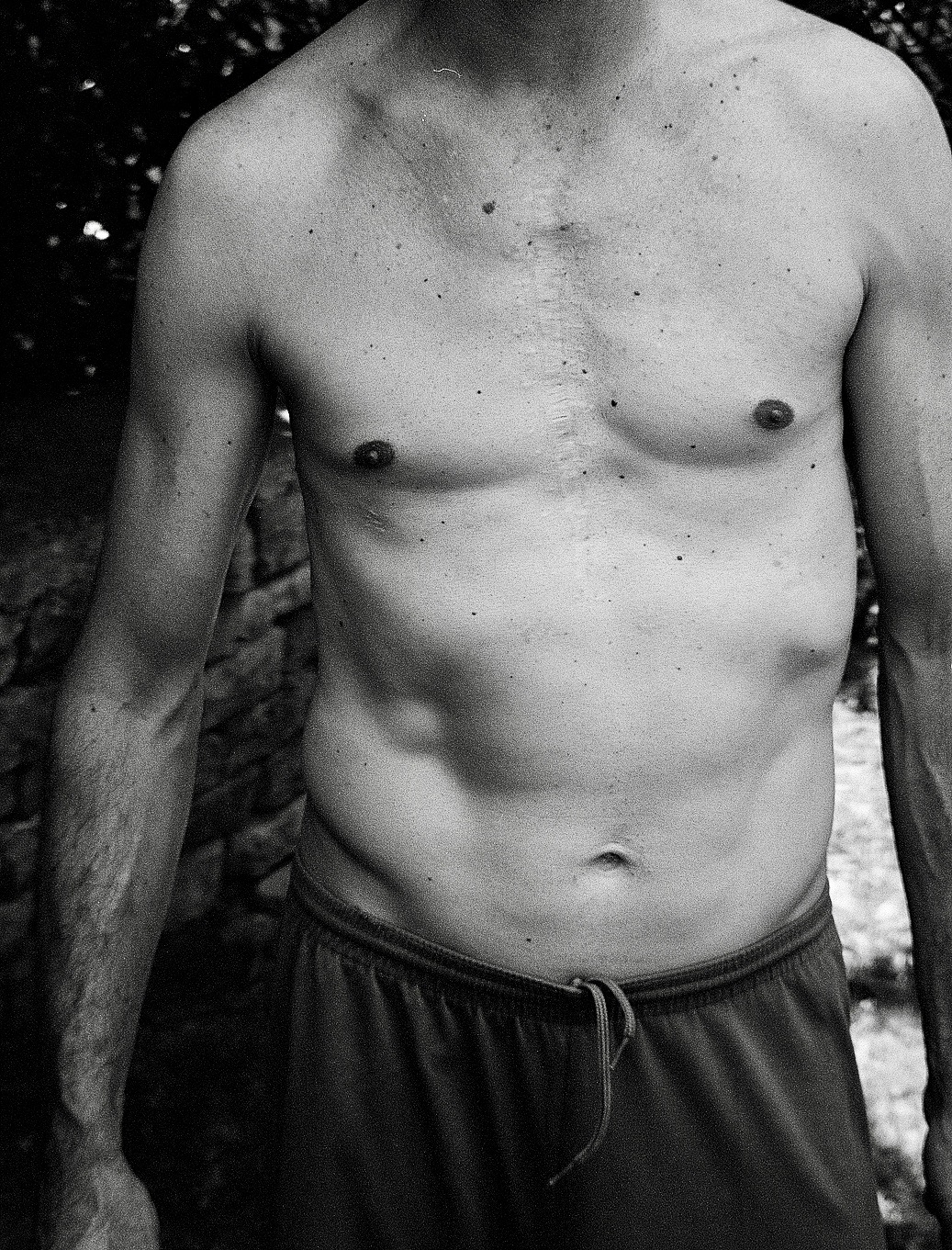
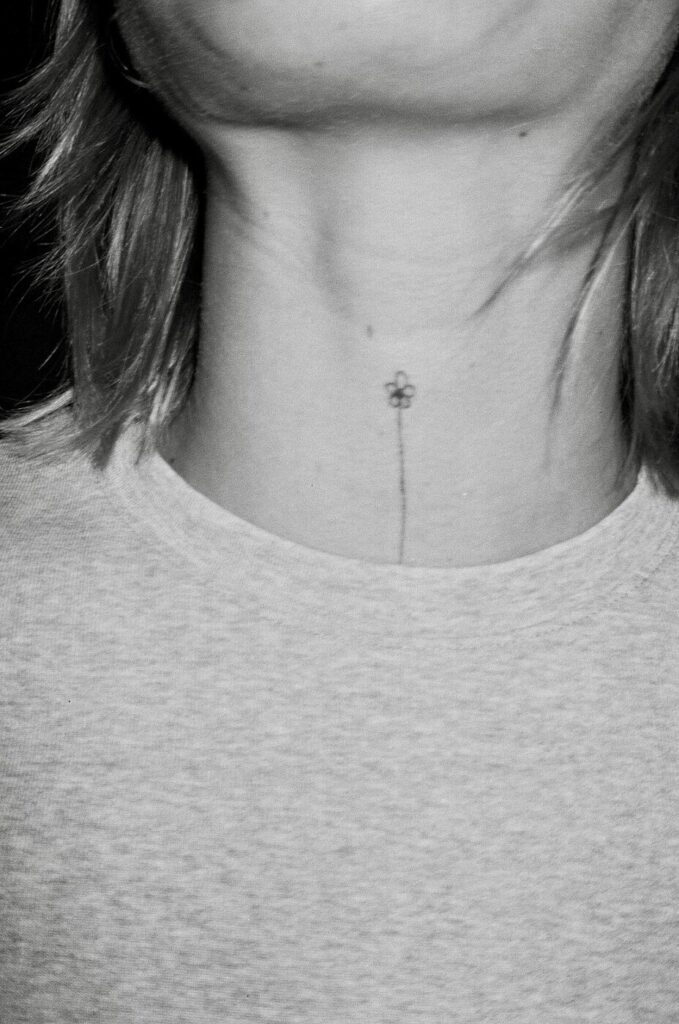
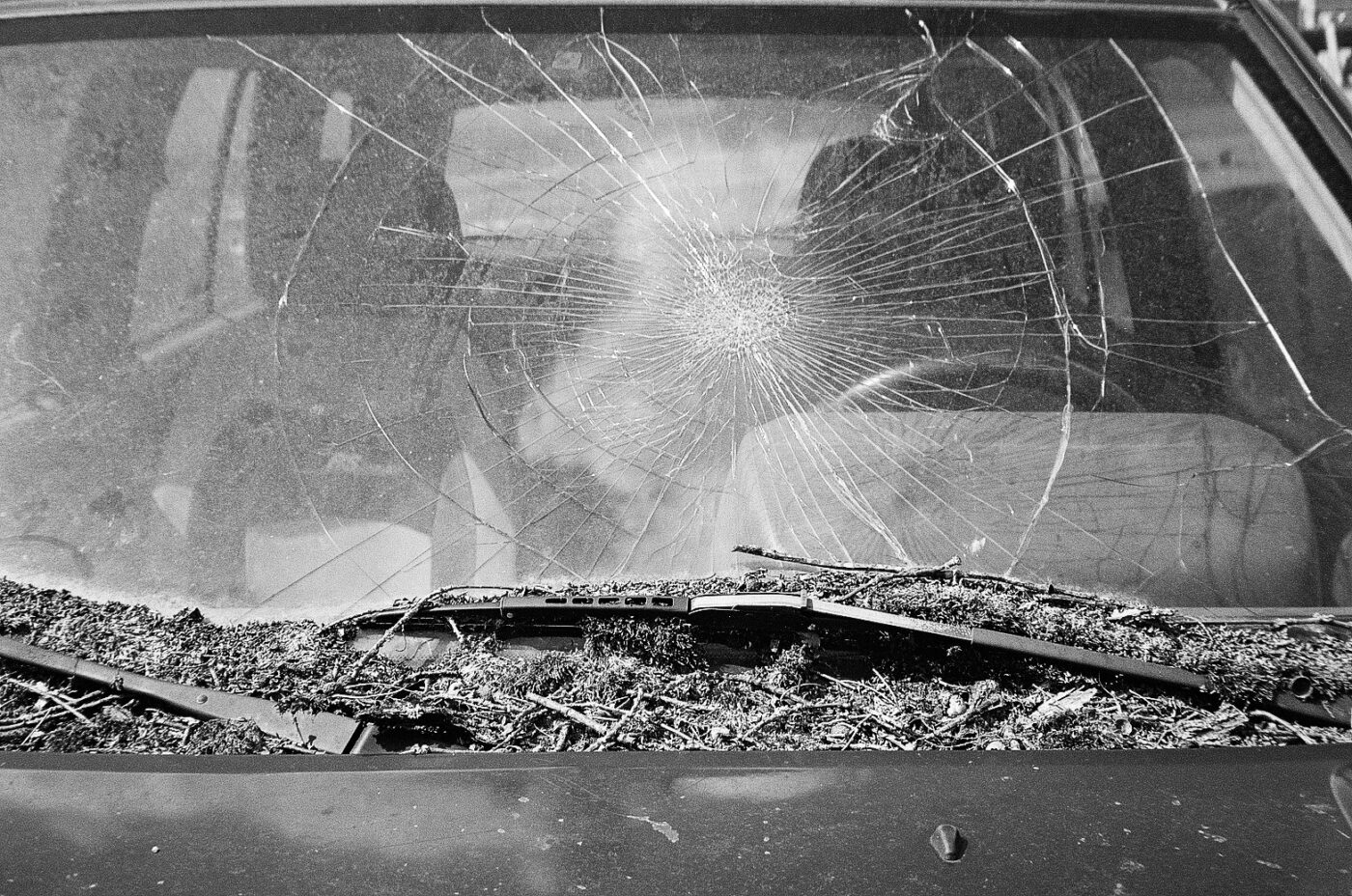
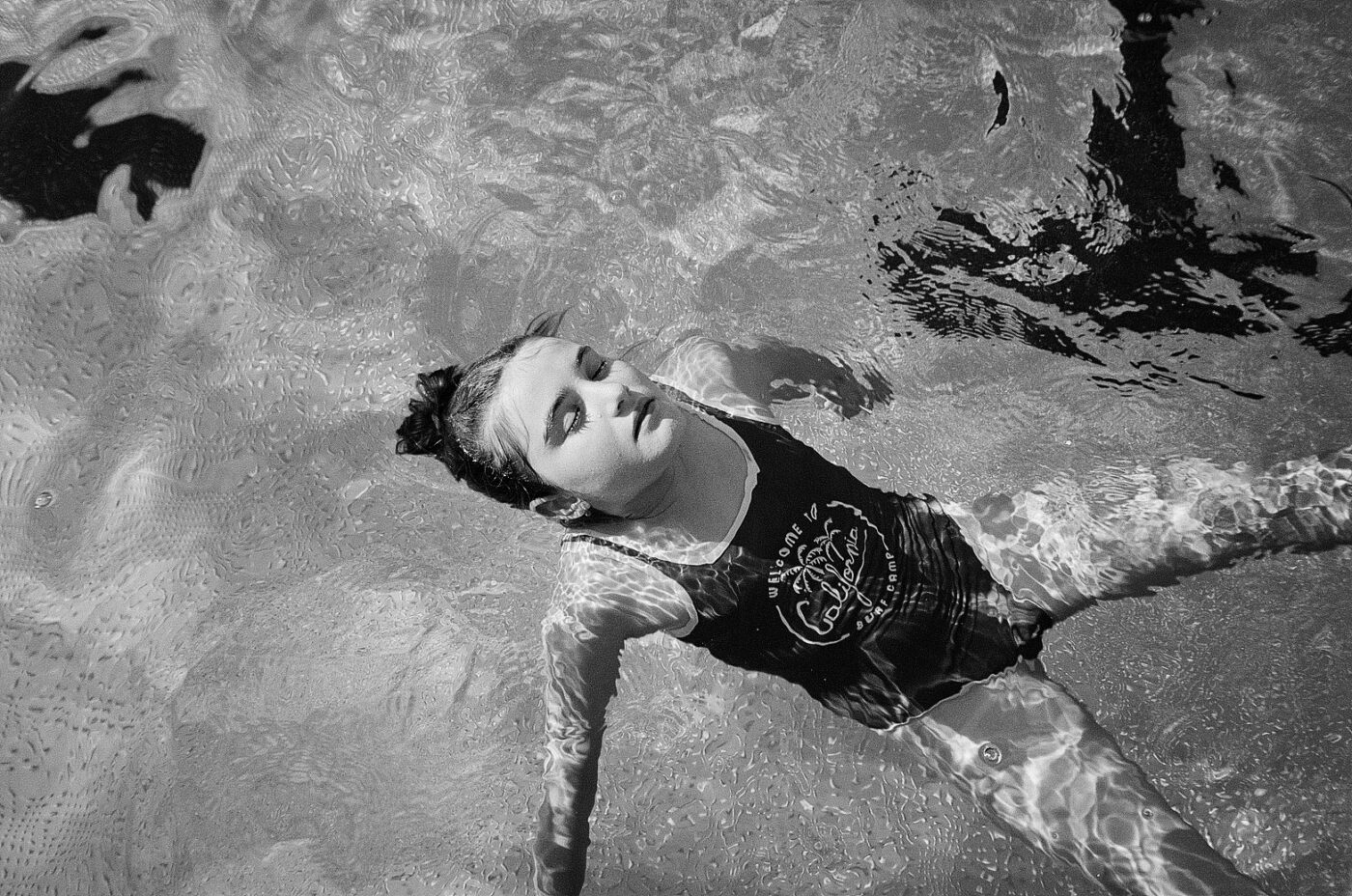
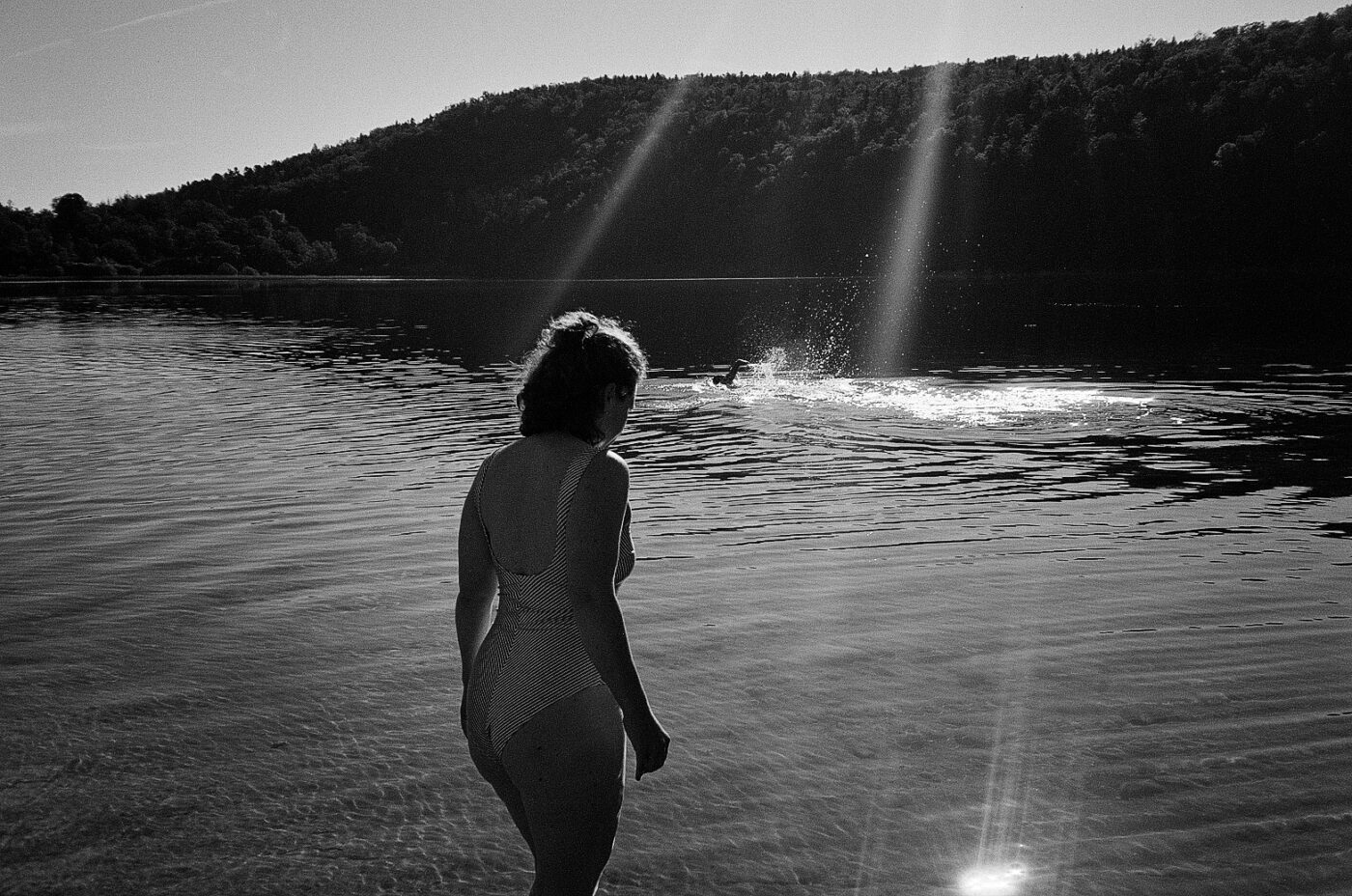
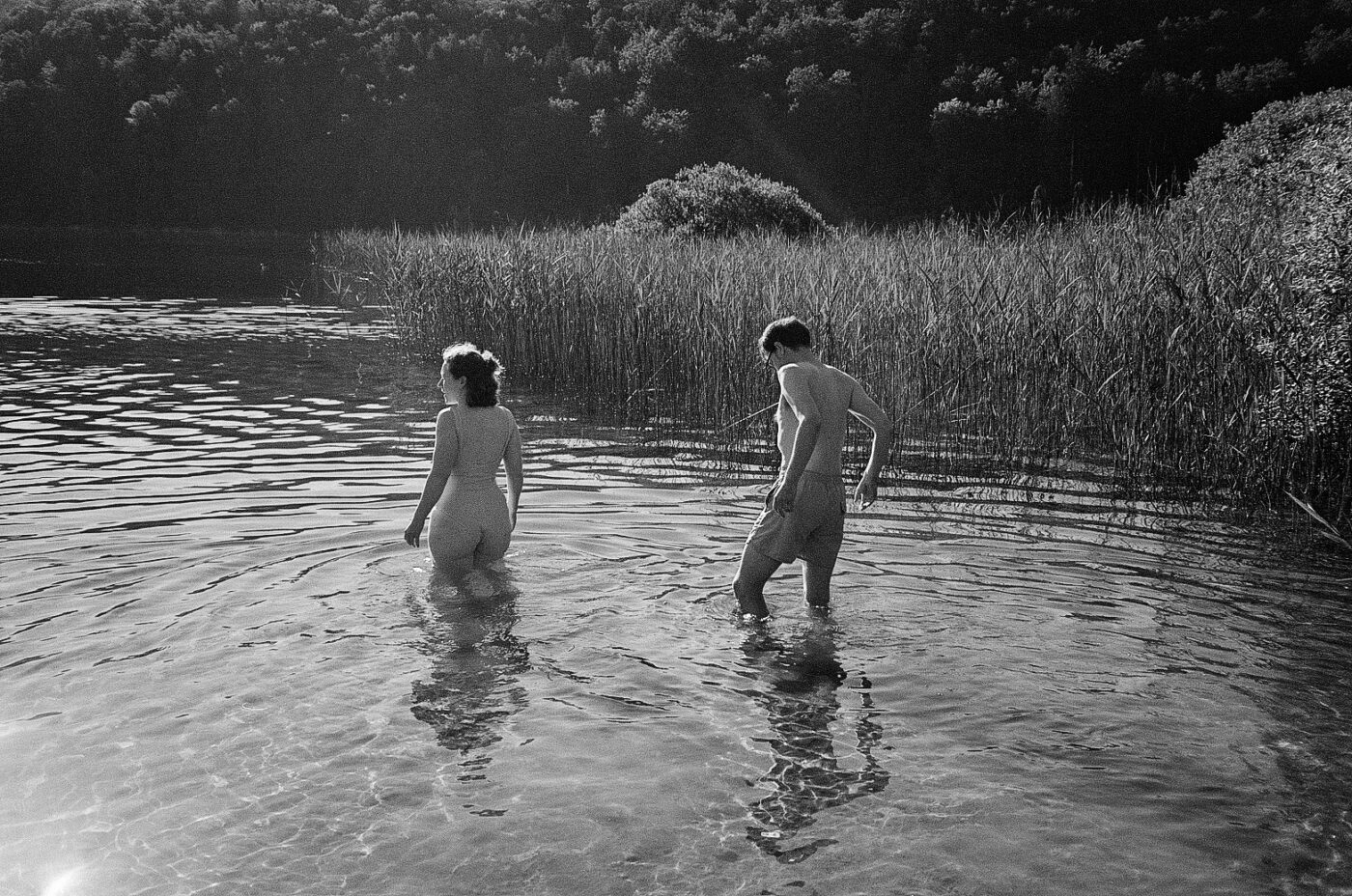
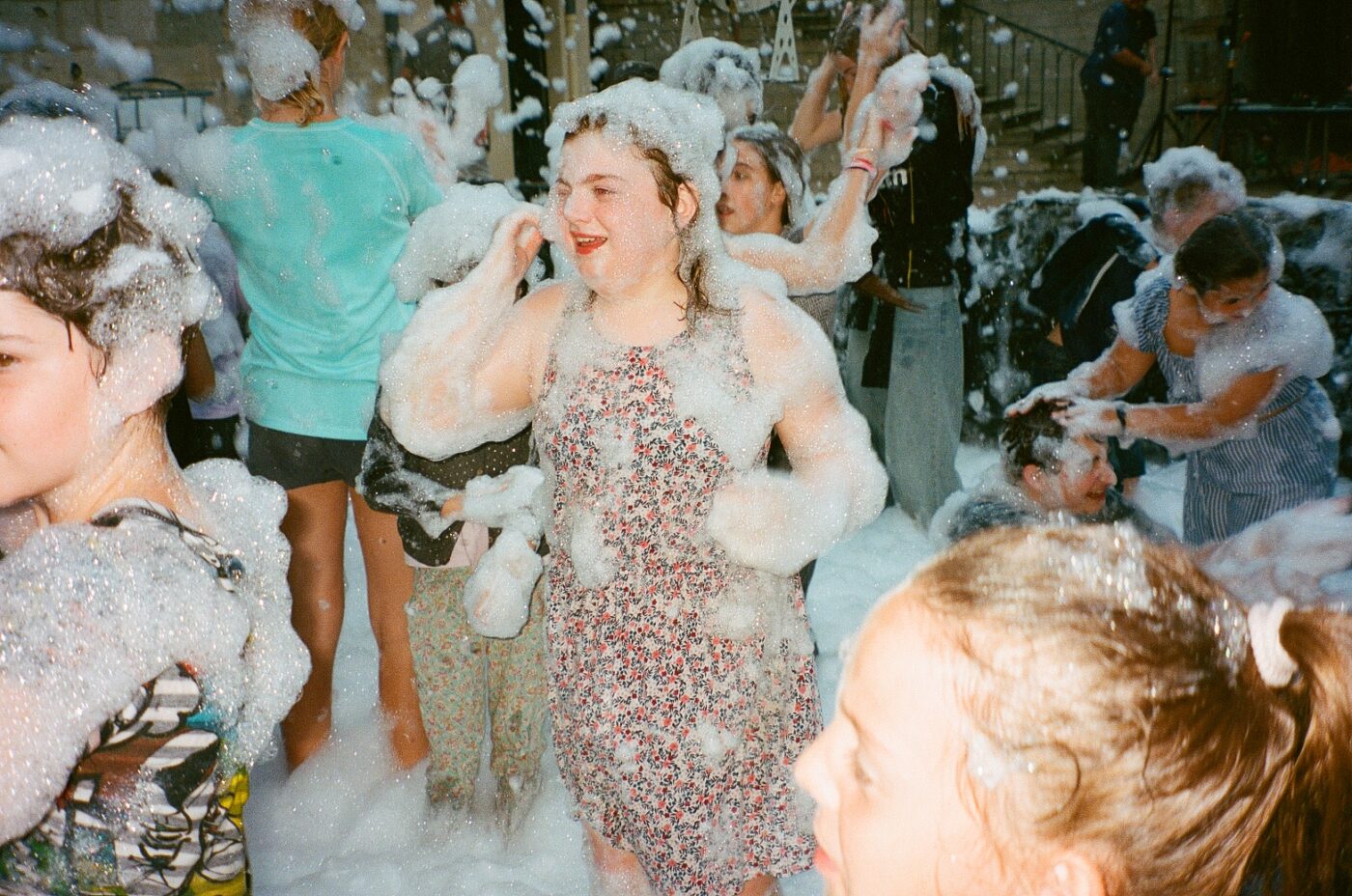
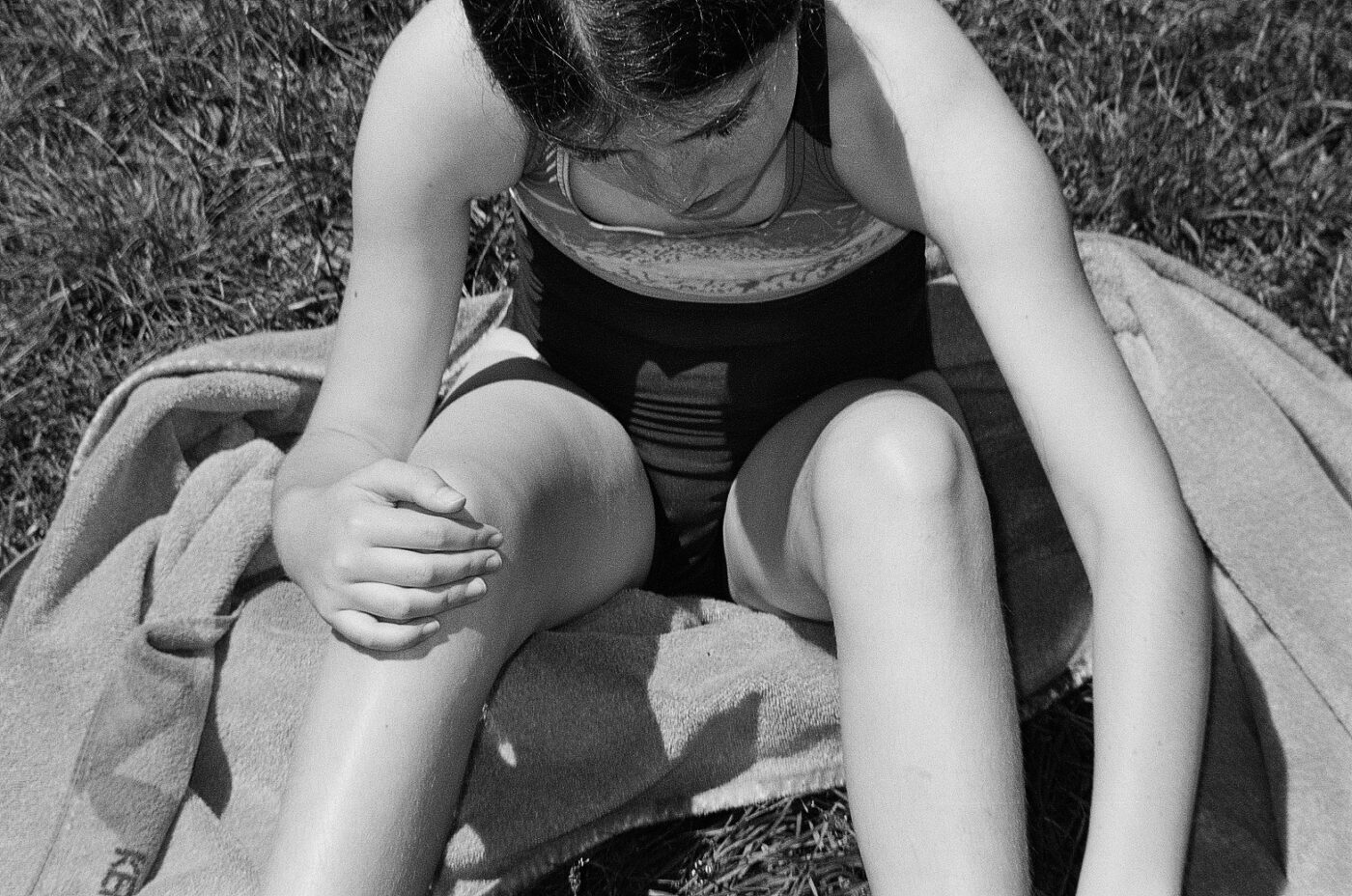
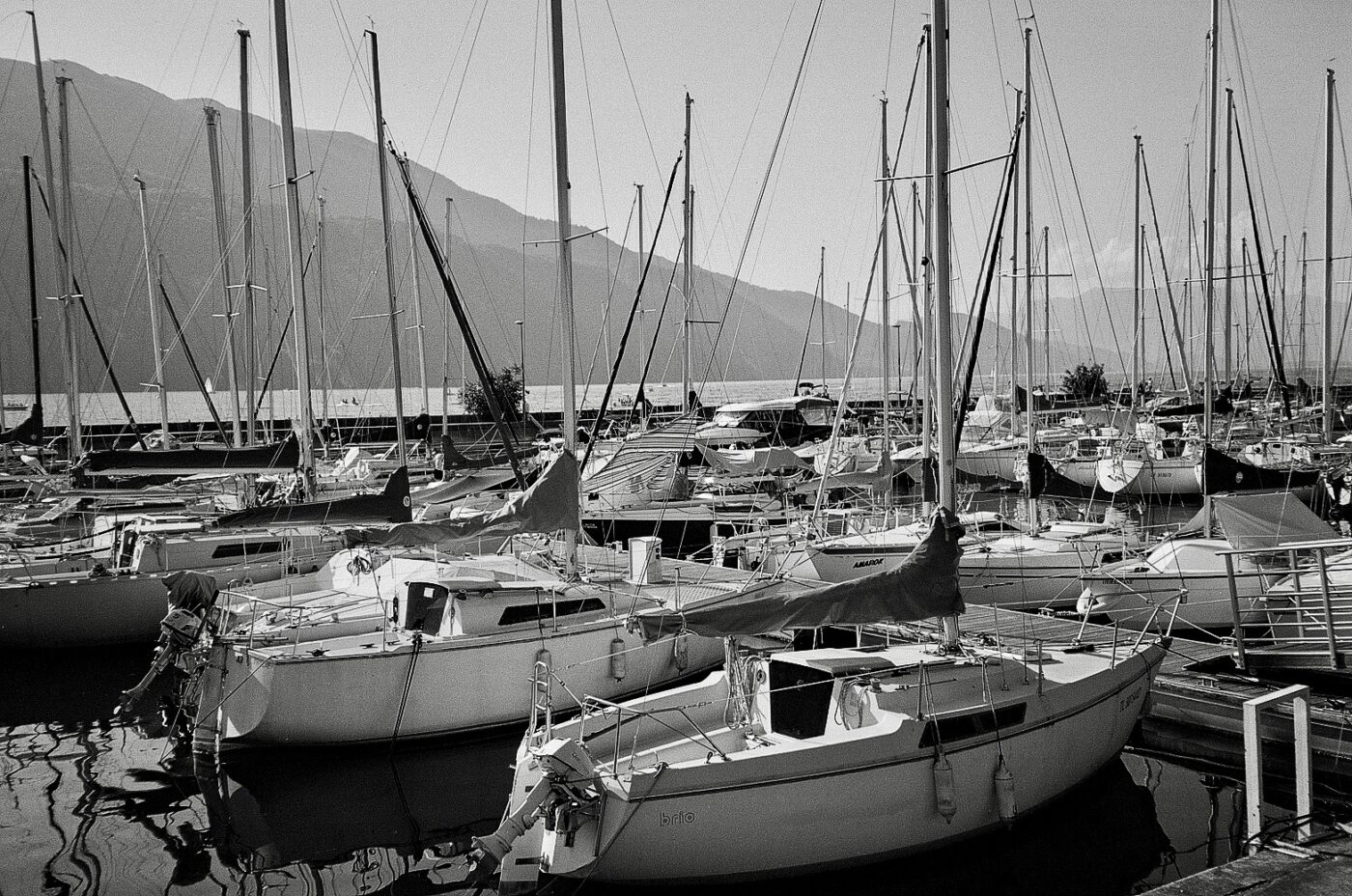
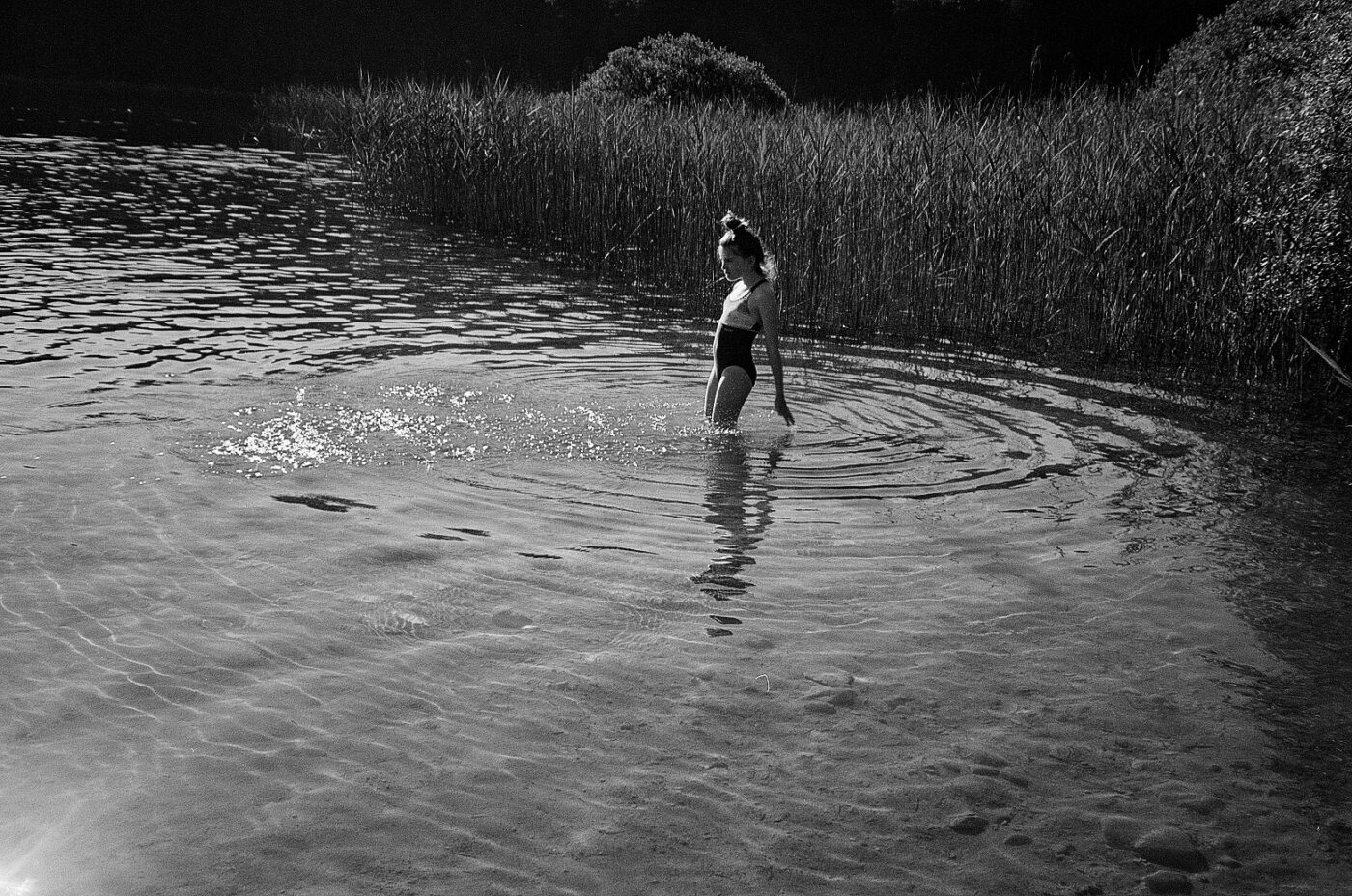
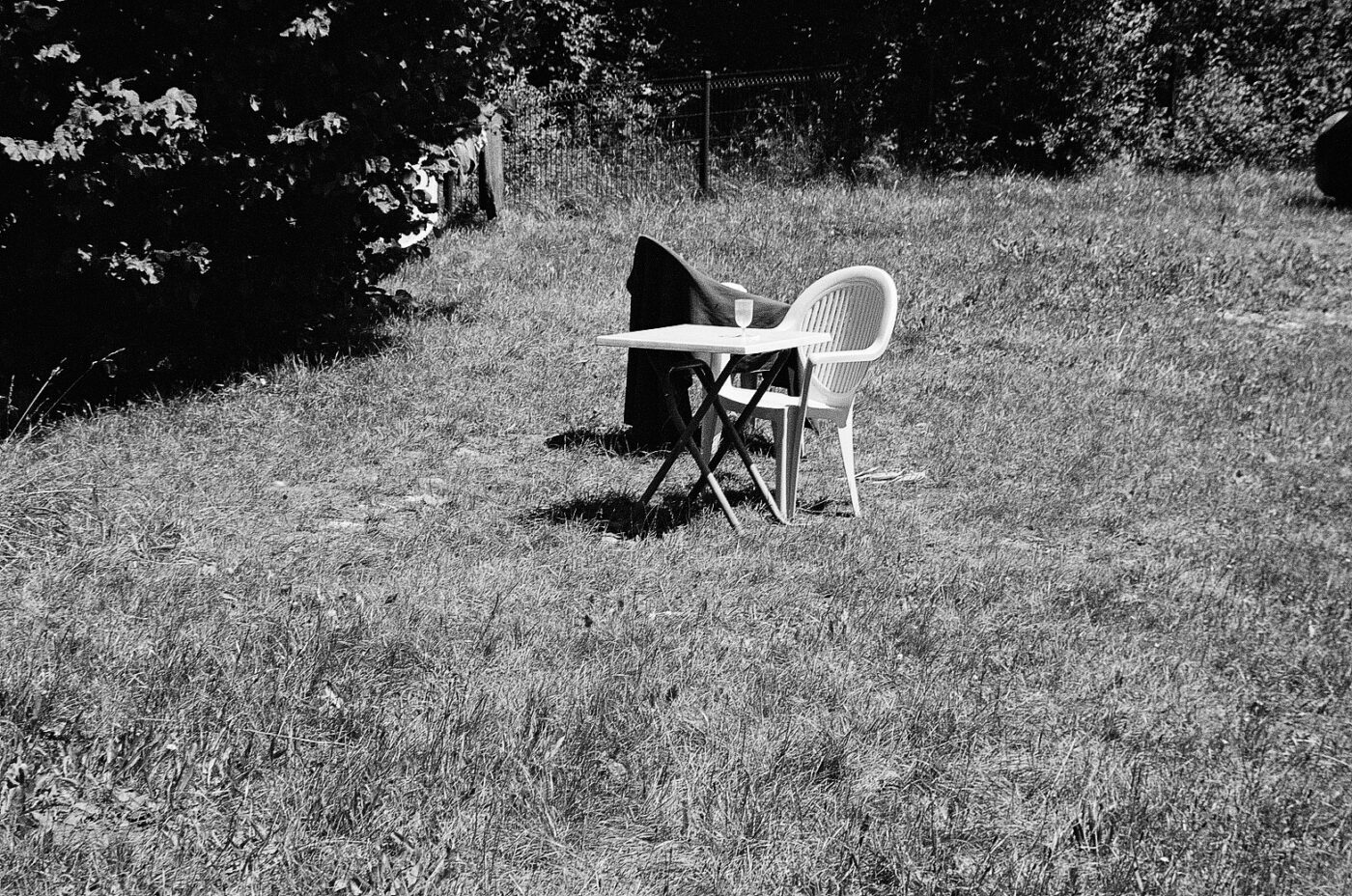
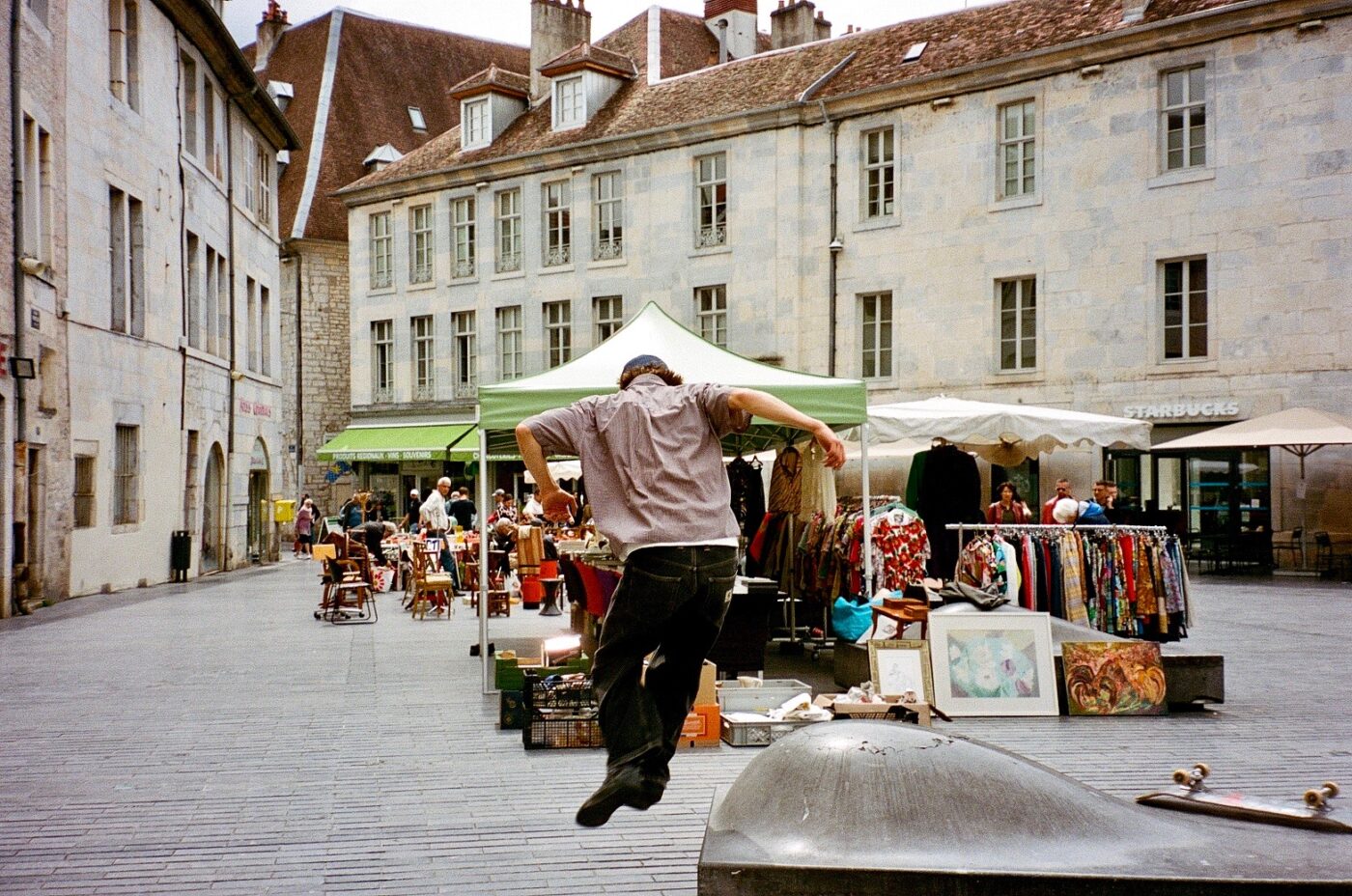
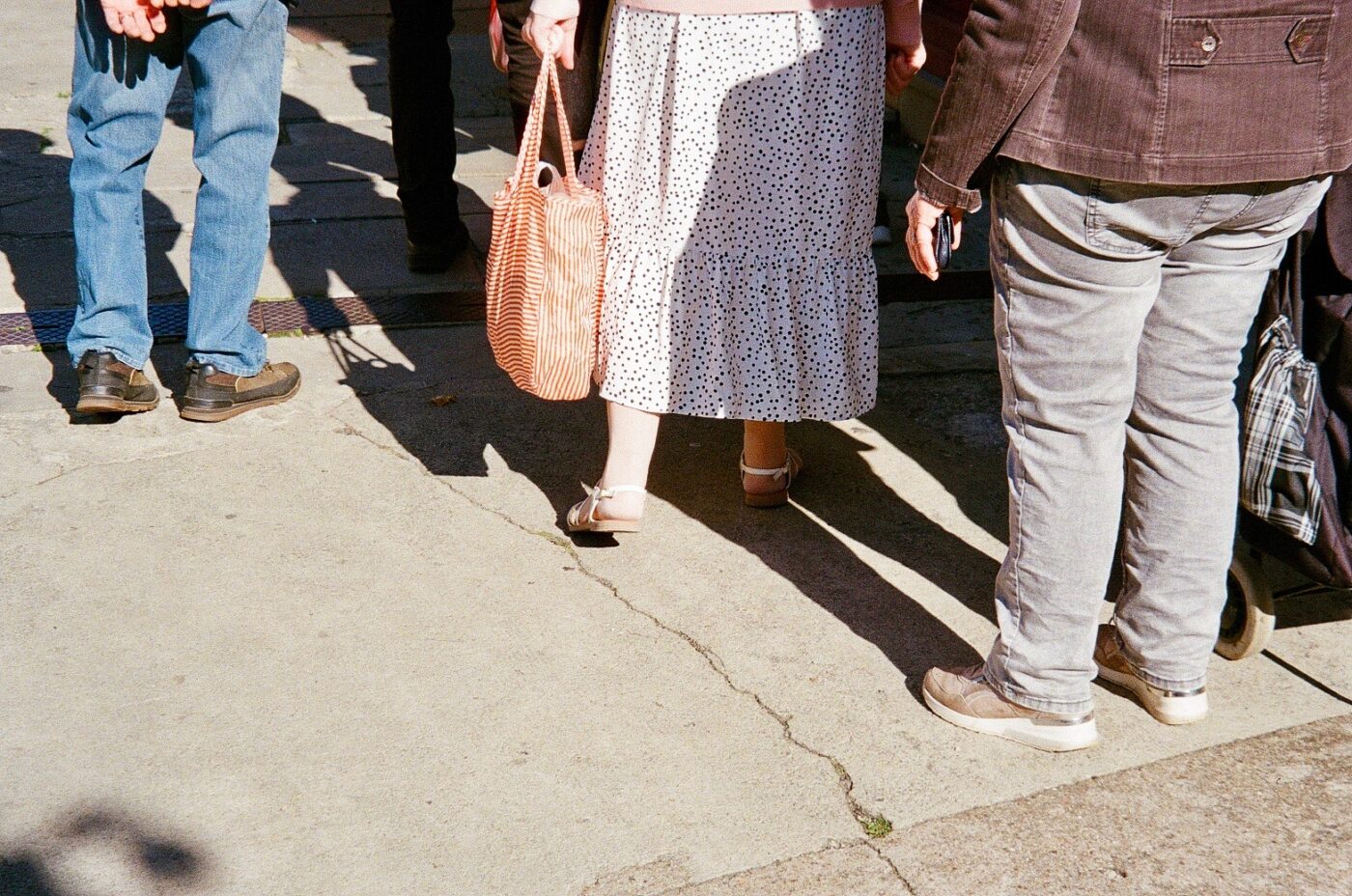
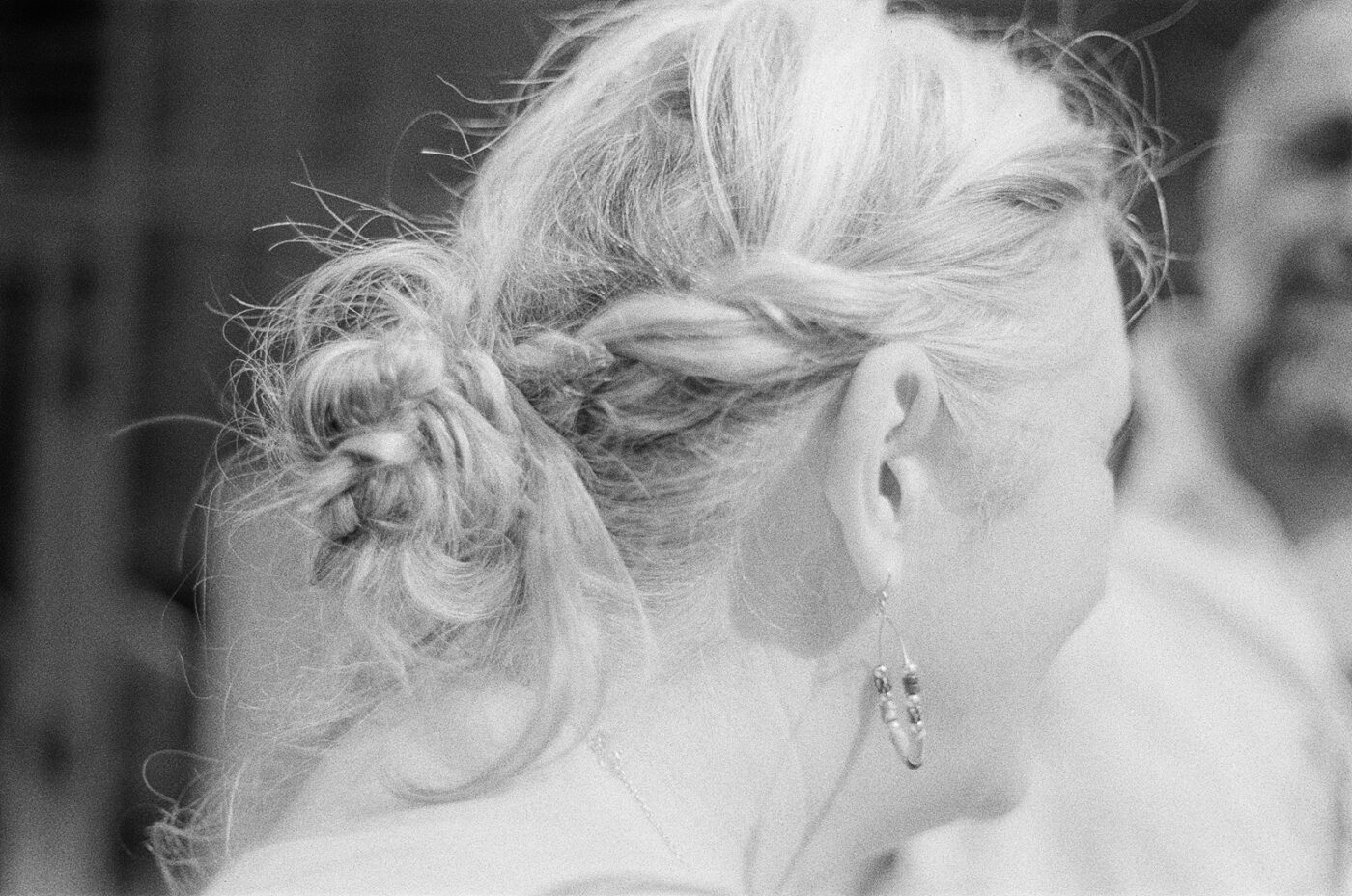
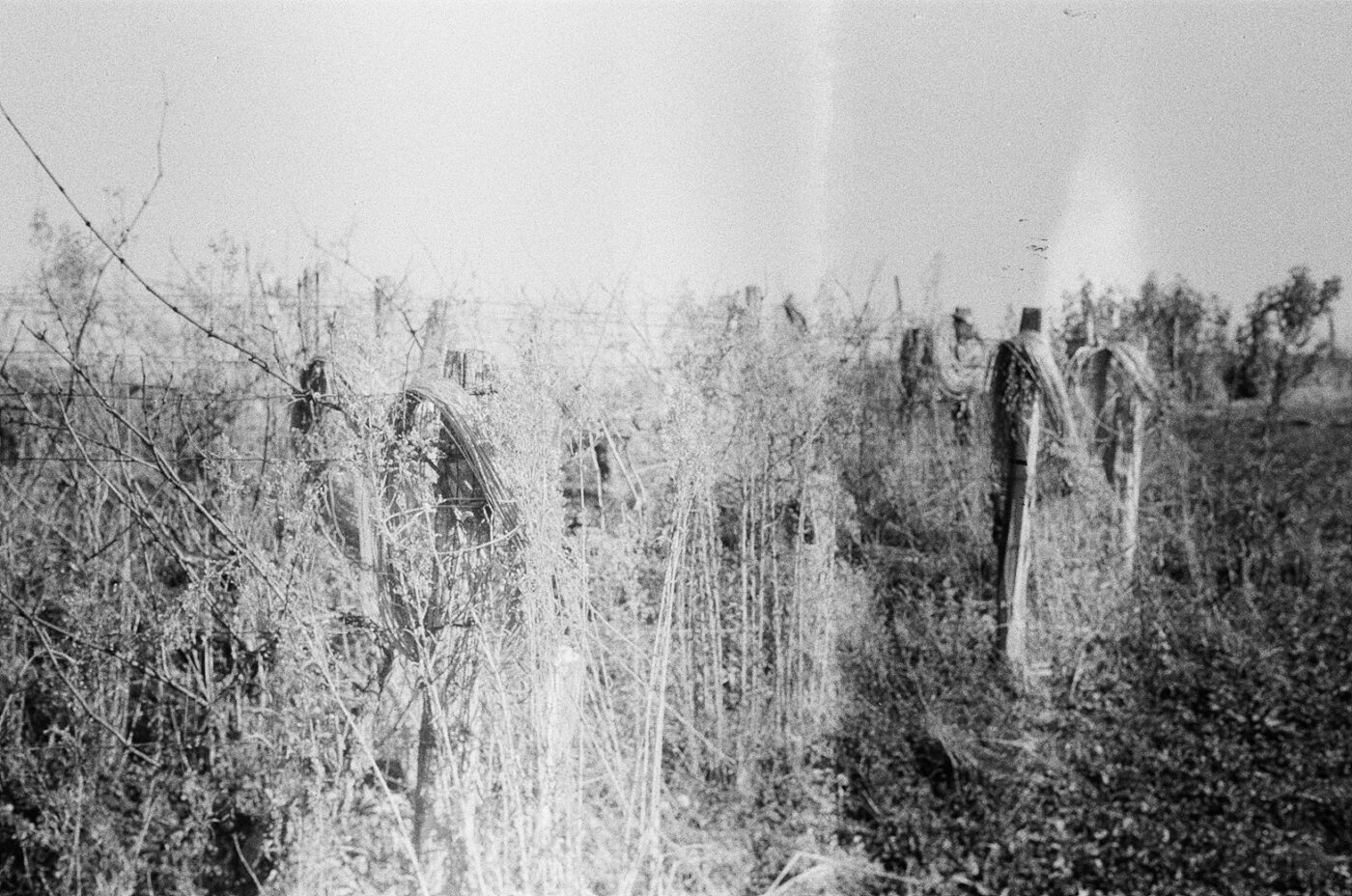
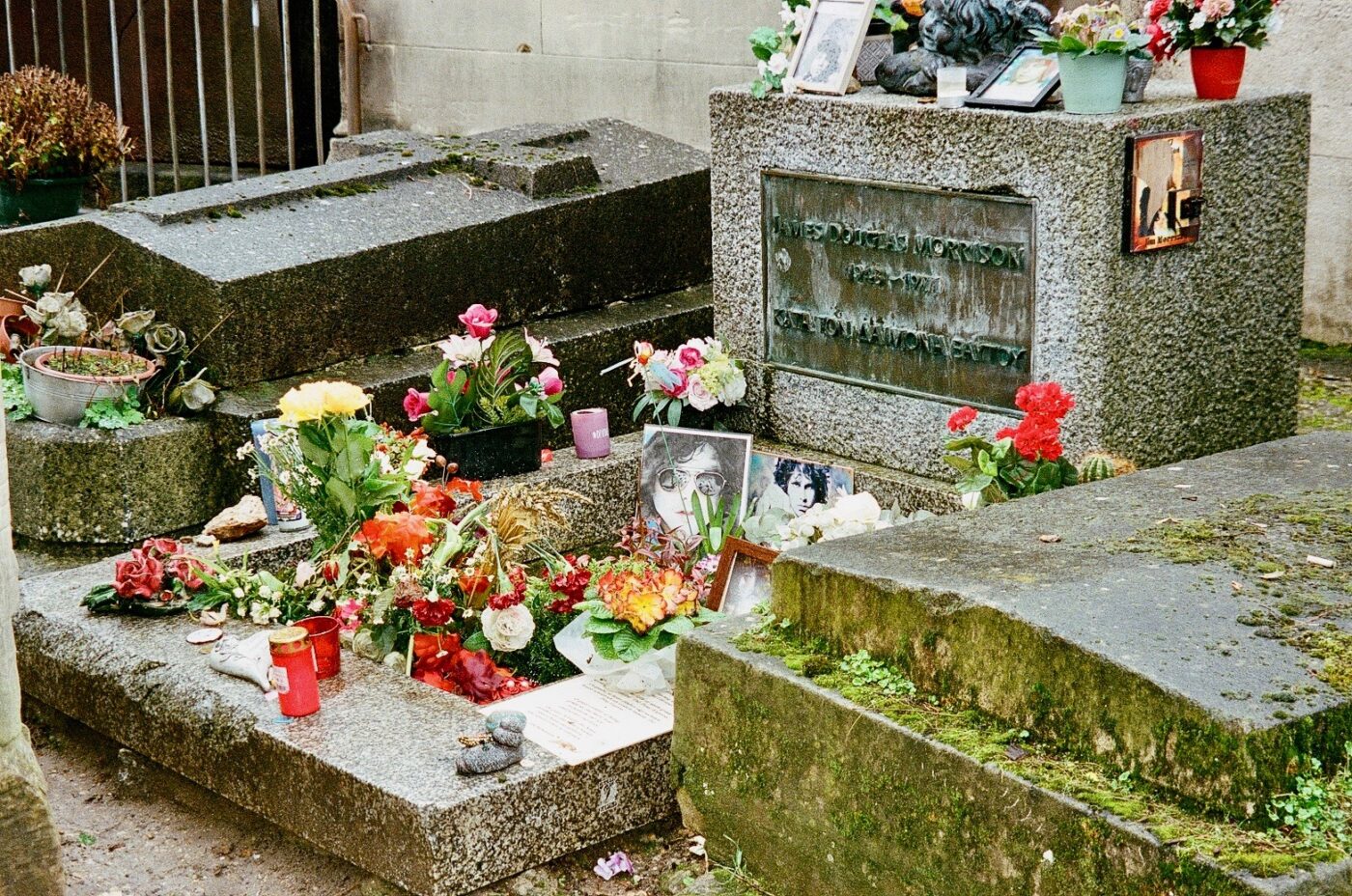
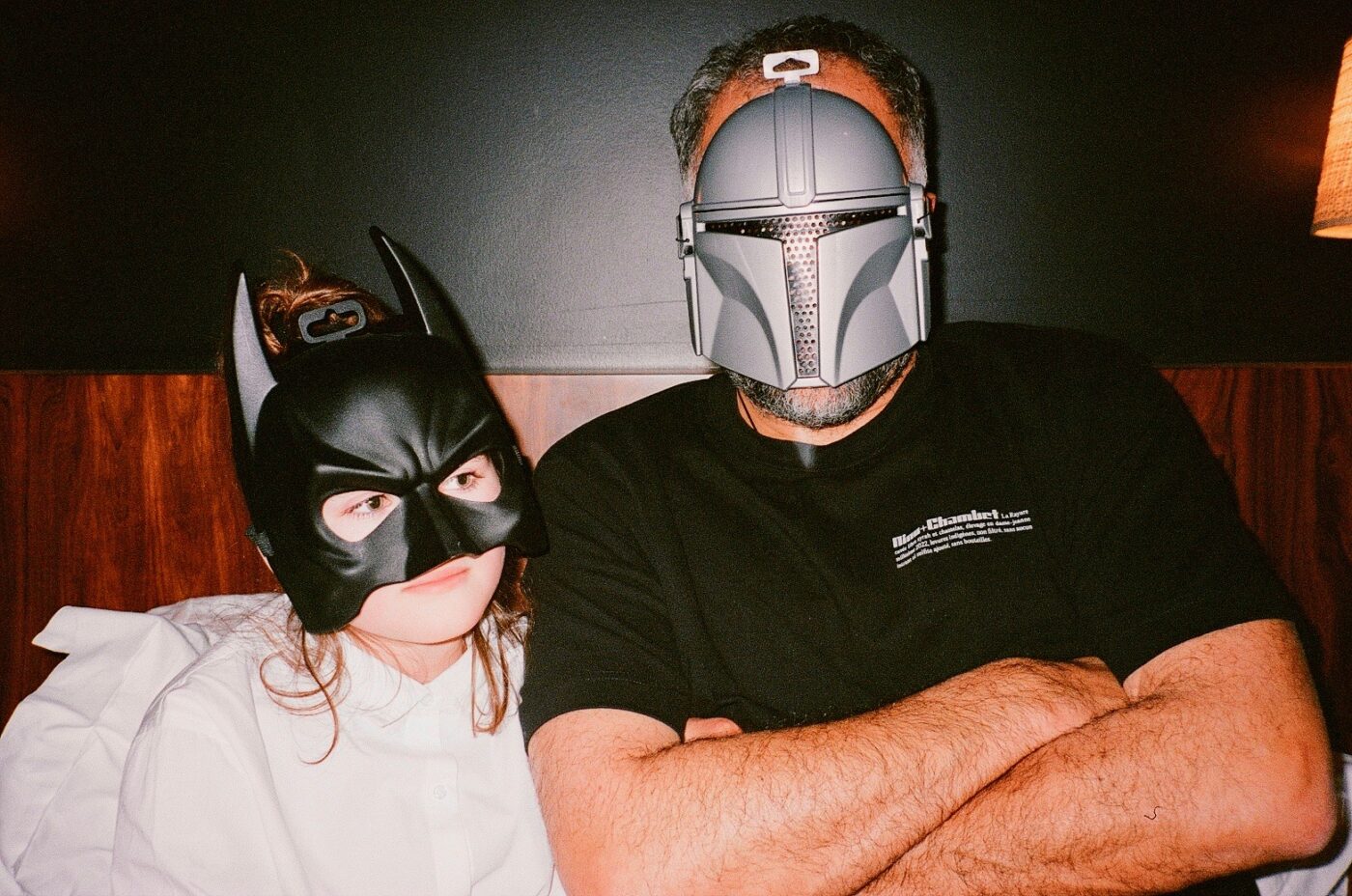
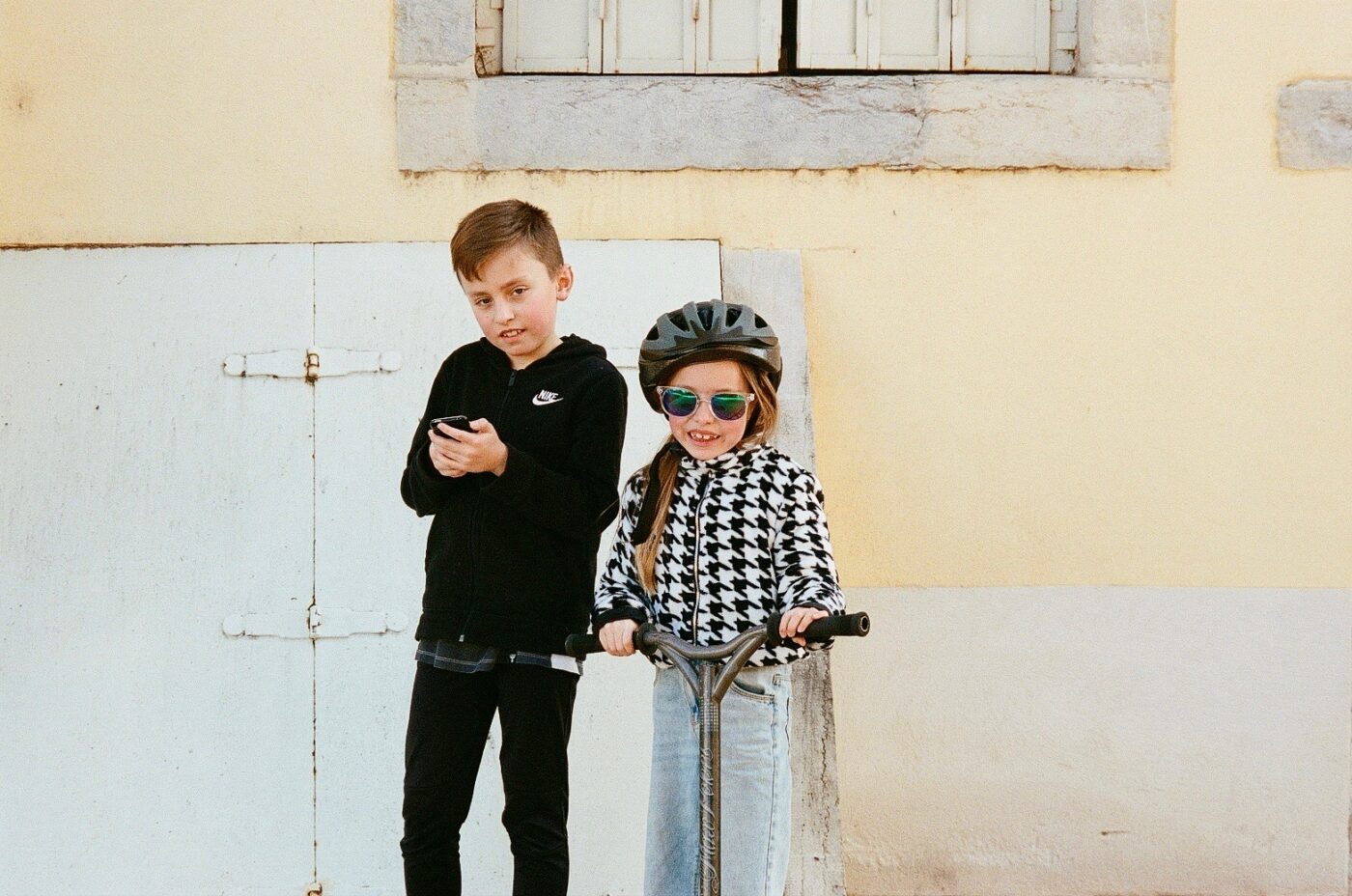
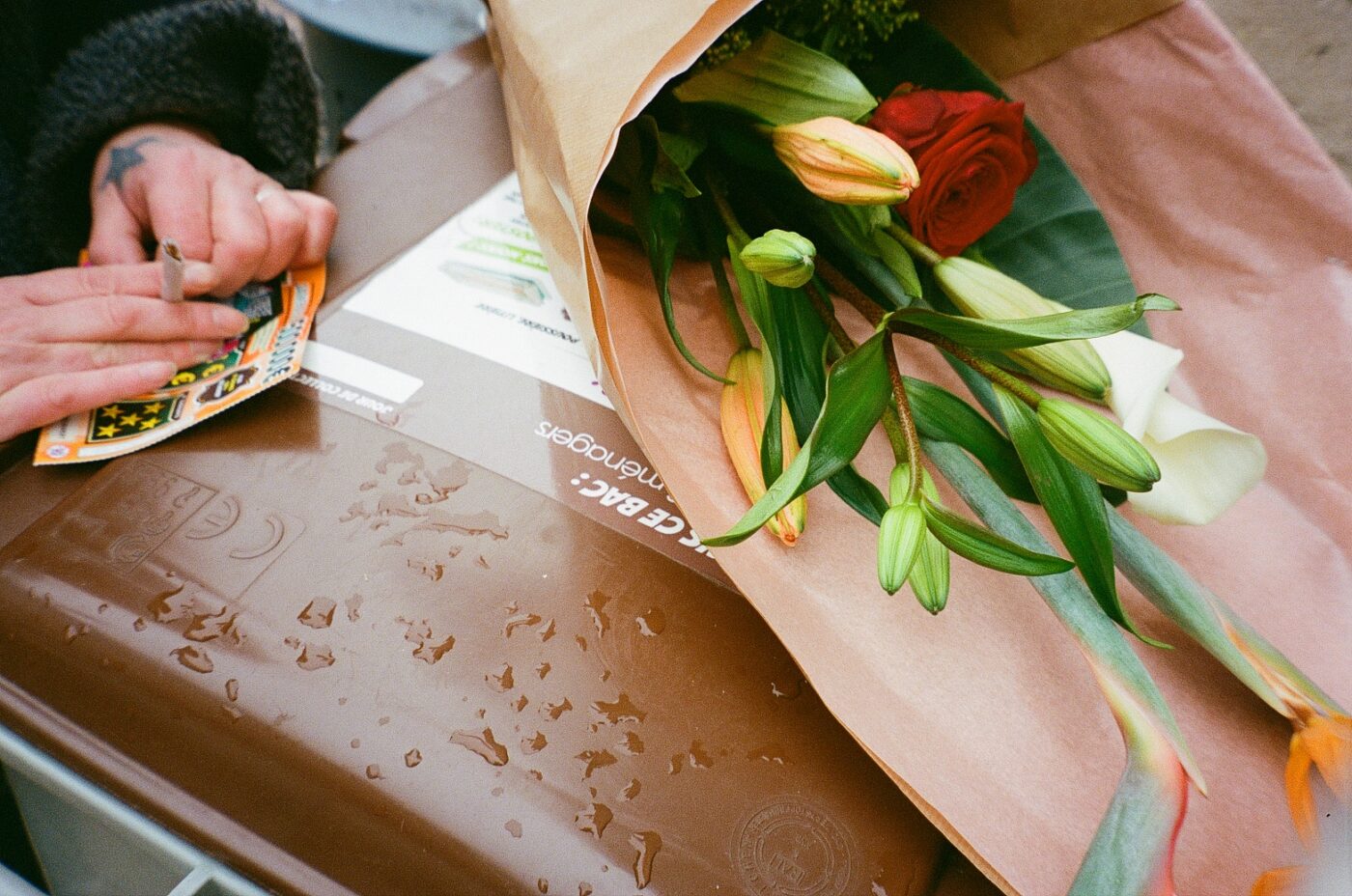
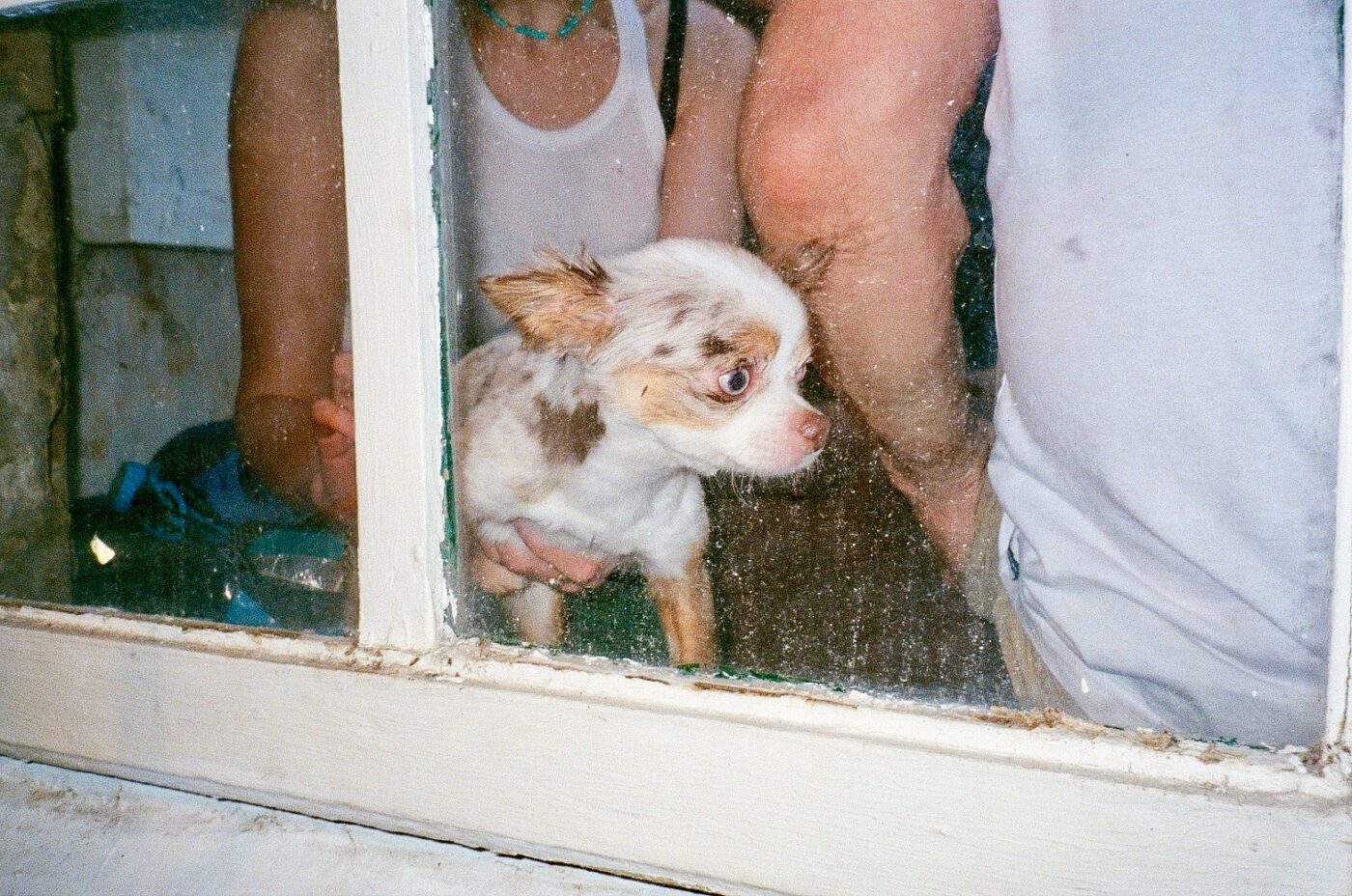
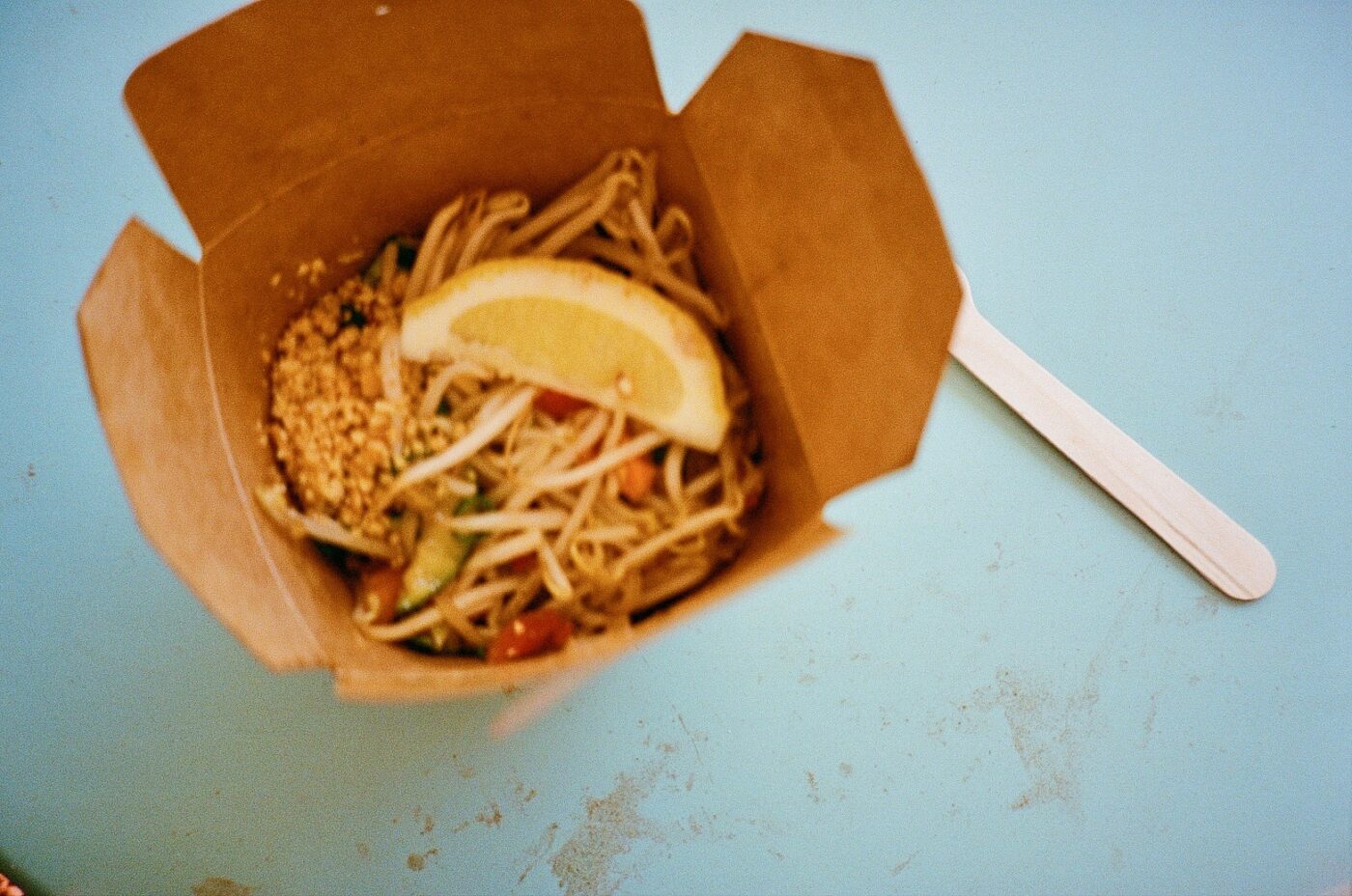
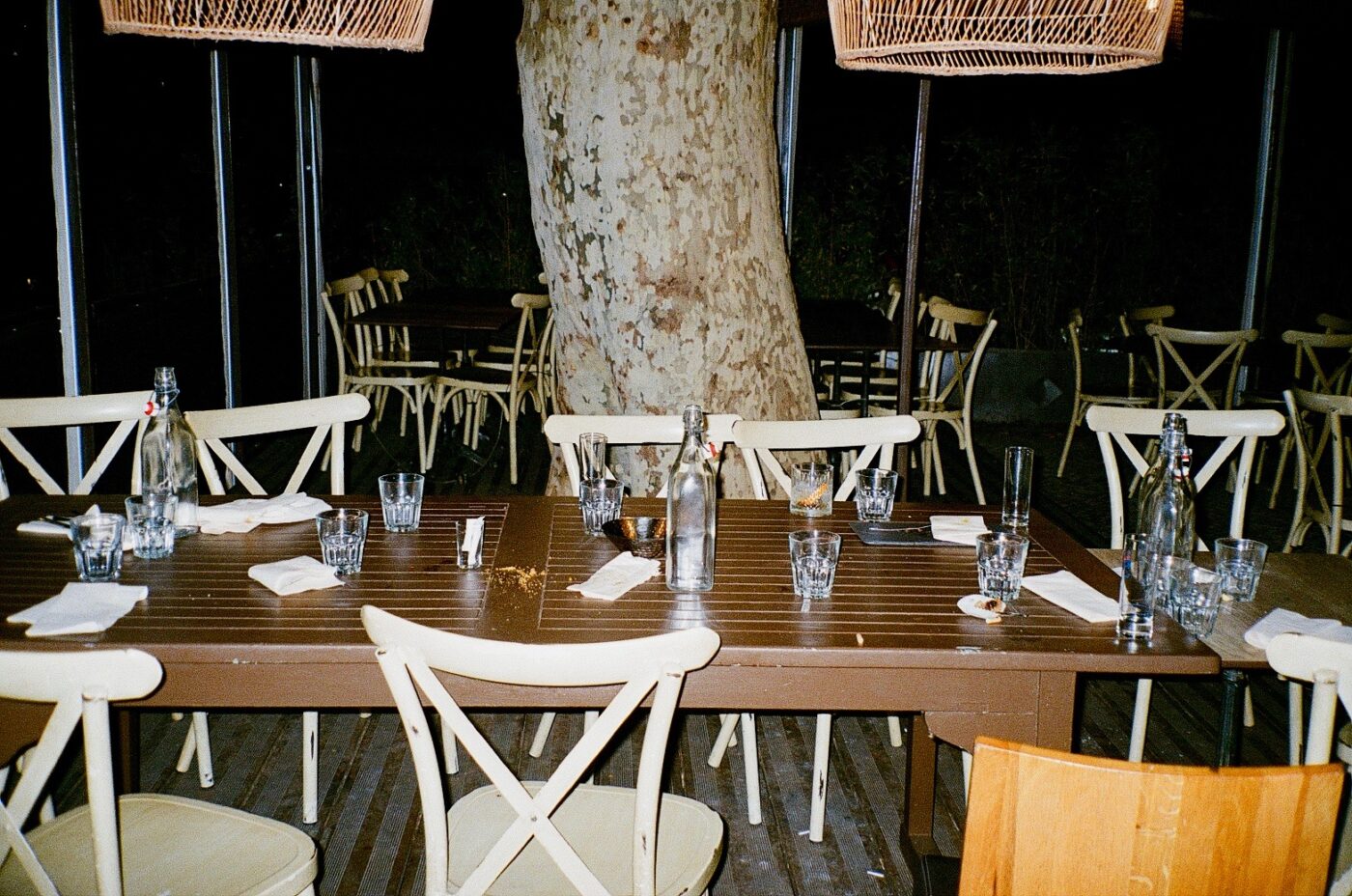
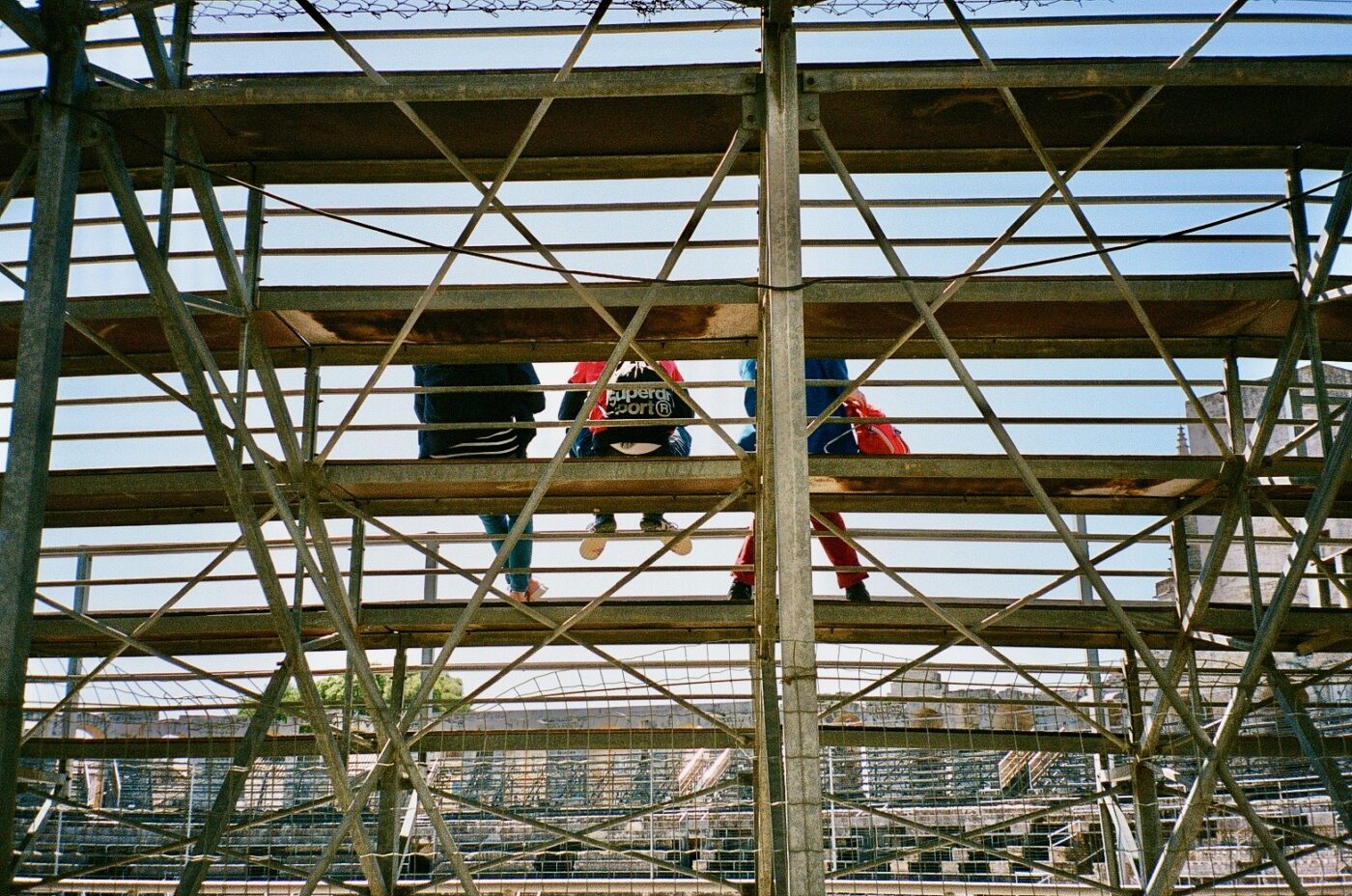
Canon Prima 130, Ilford black and white film 135 400 iso, Kodak Porta 400 35mn.
Journal Photographique Mars Avril Mai
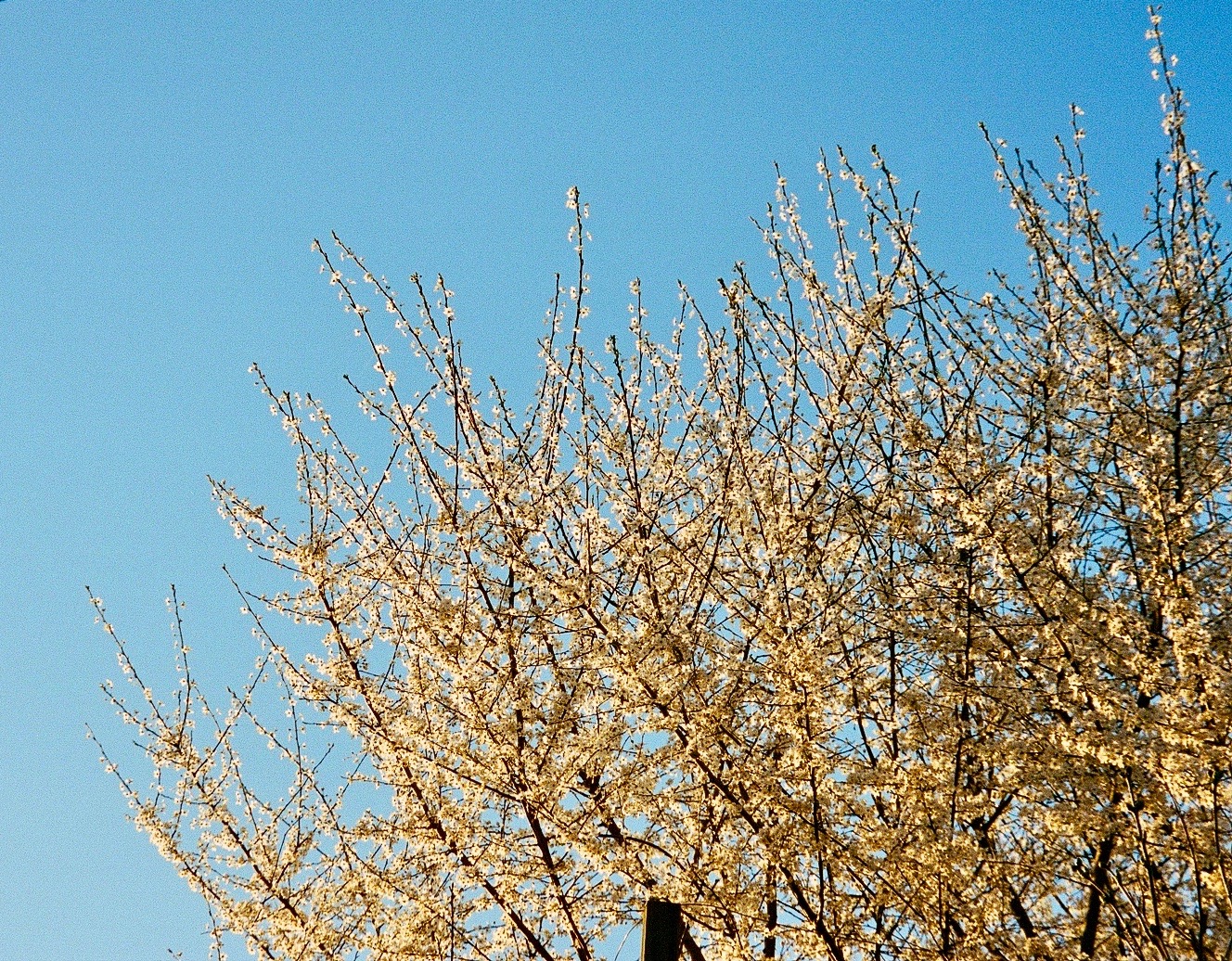
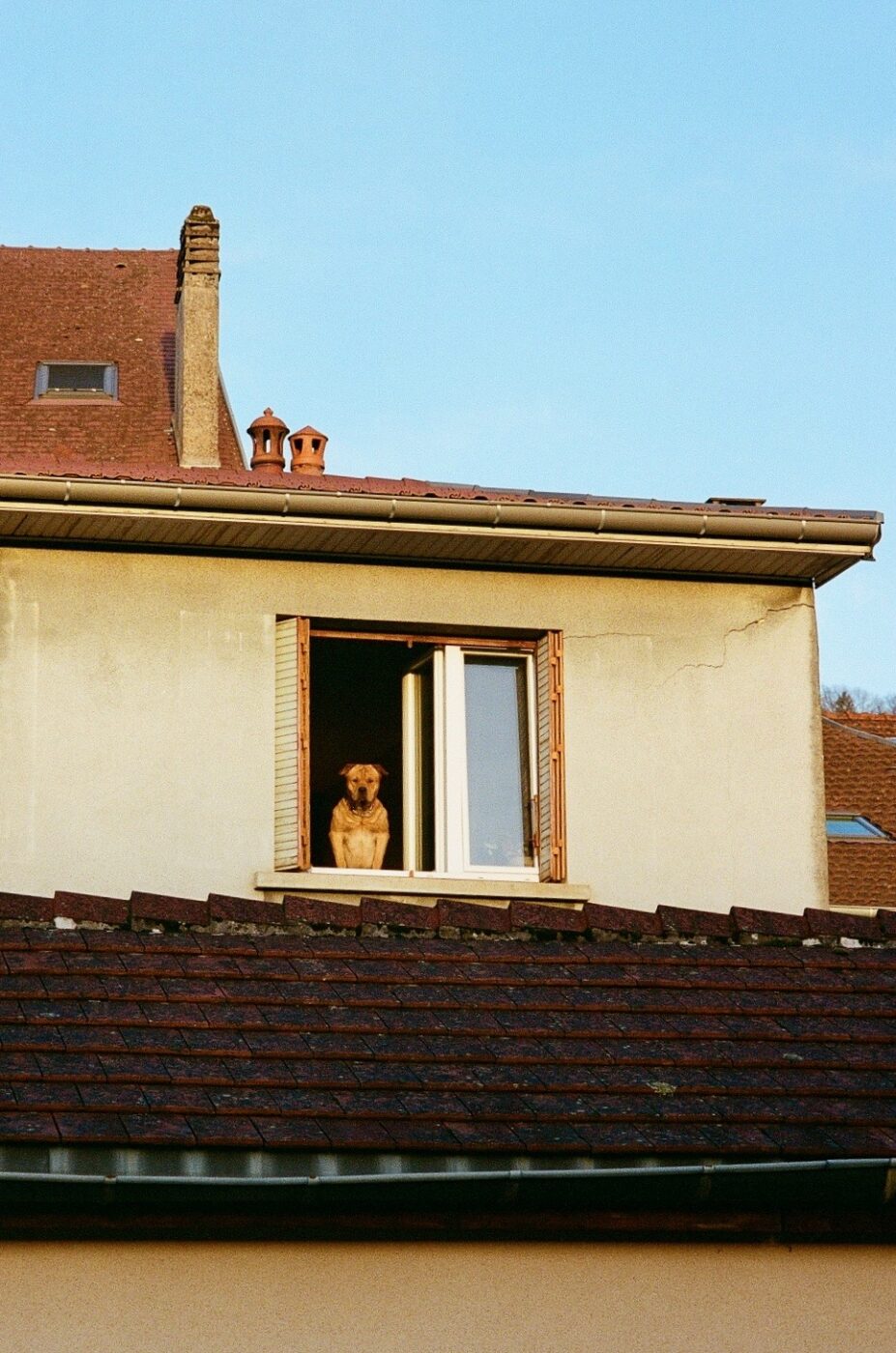
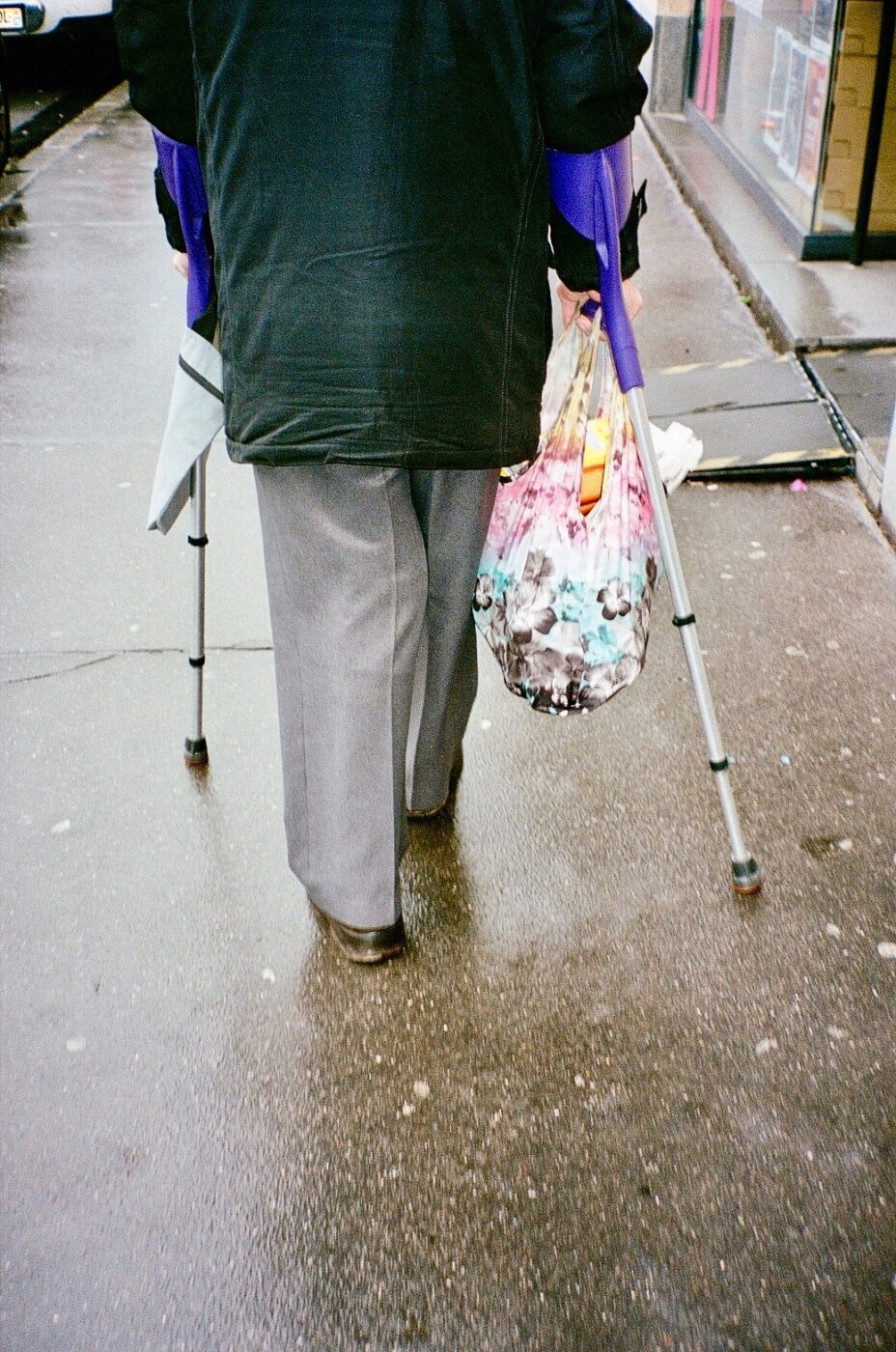

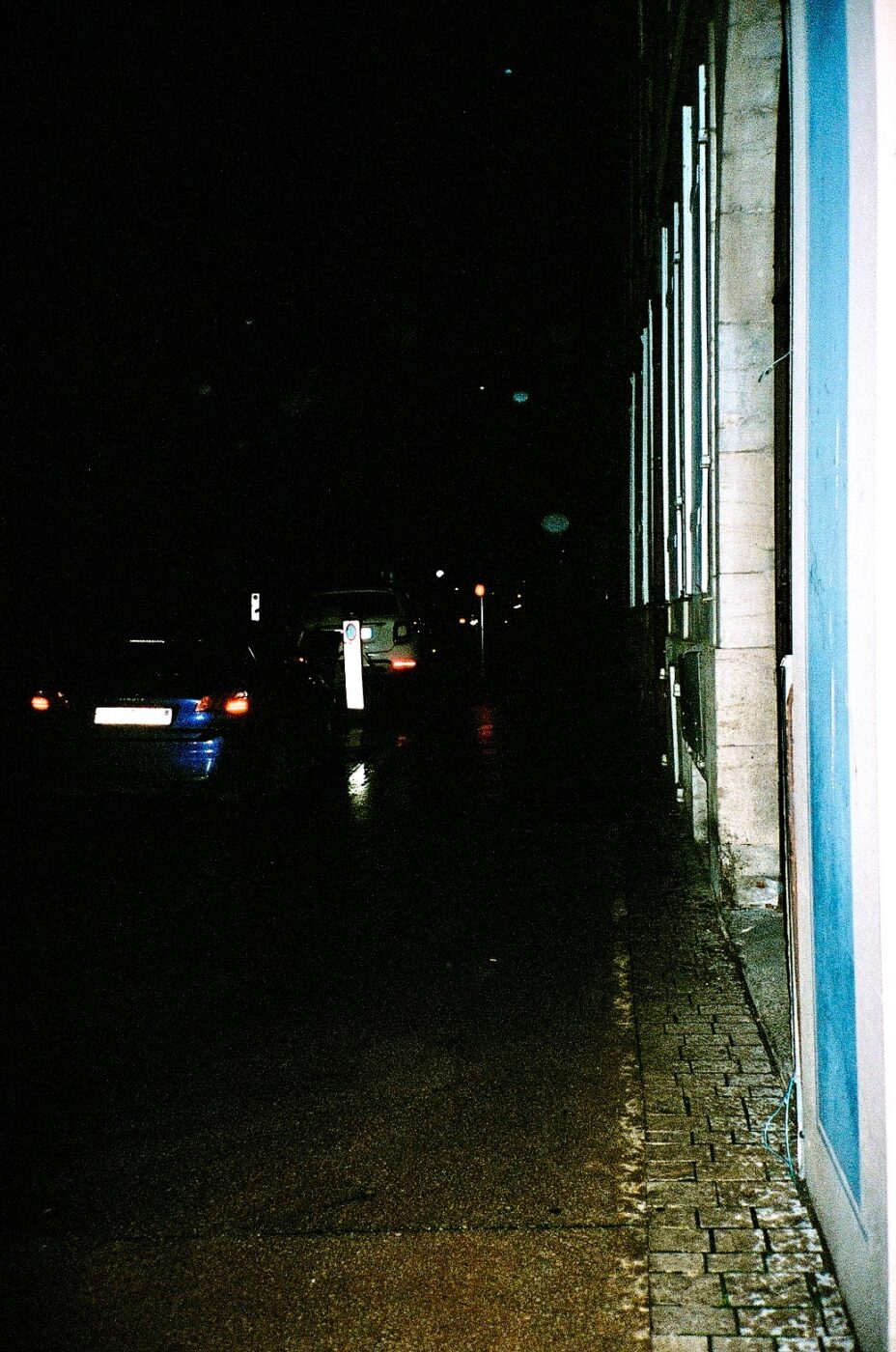
BECAUSE THE NIGHT
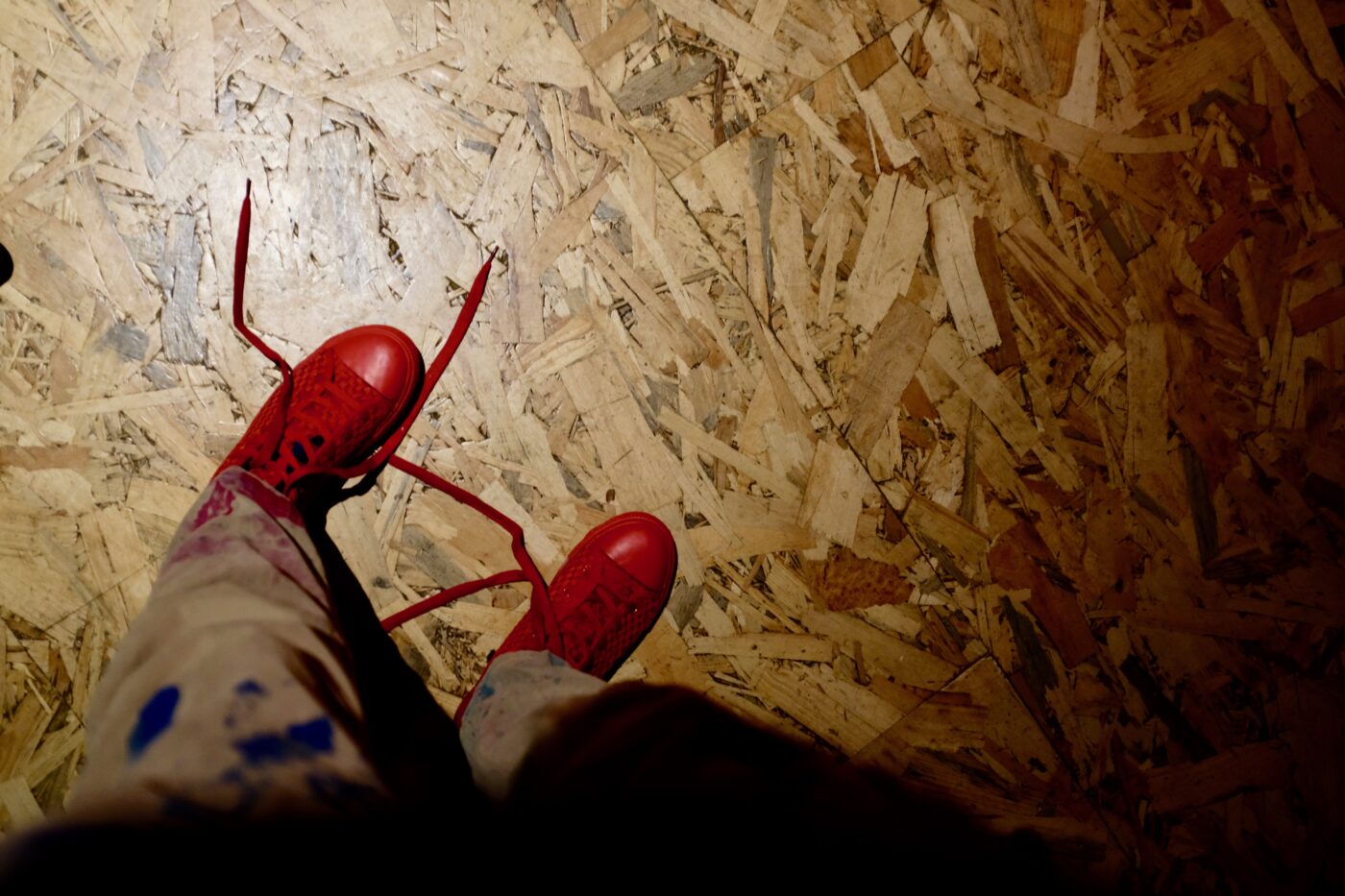
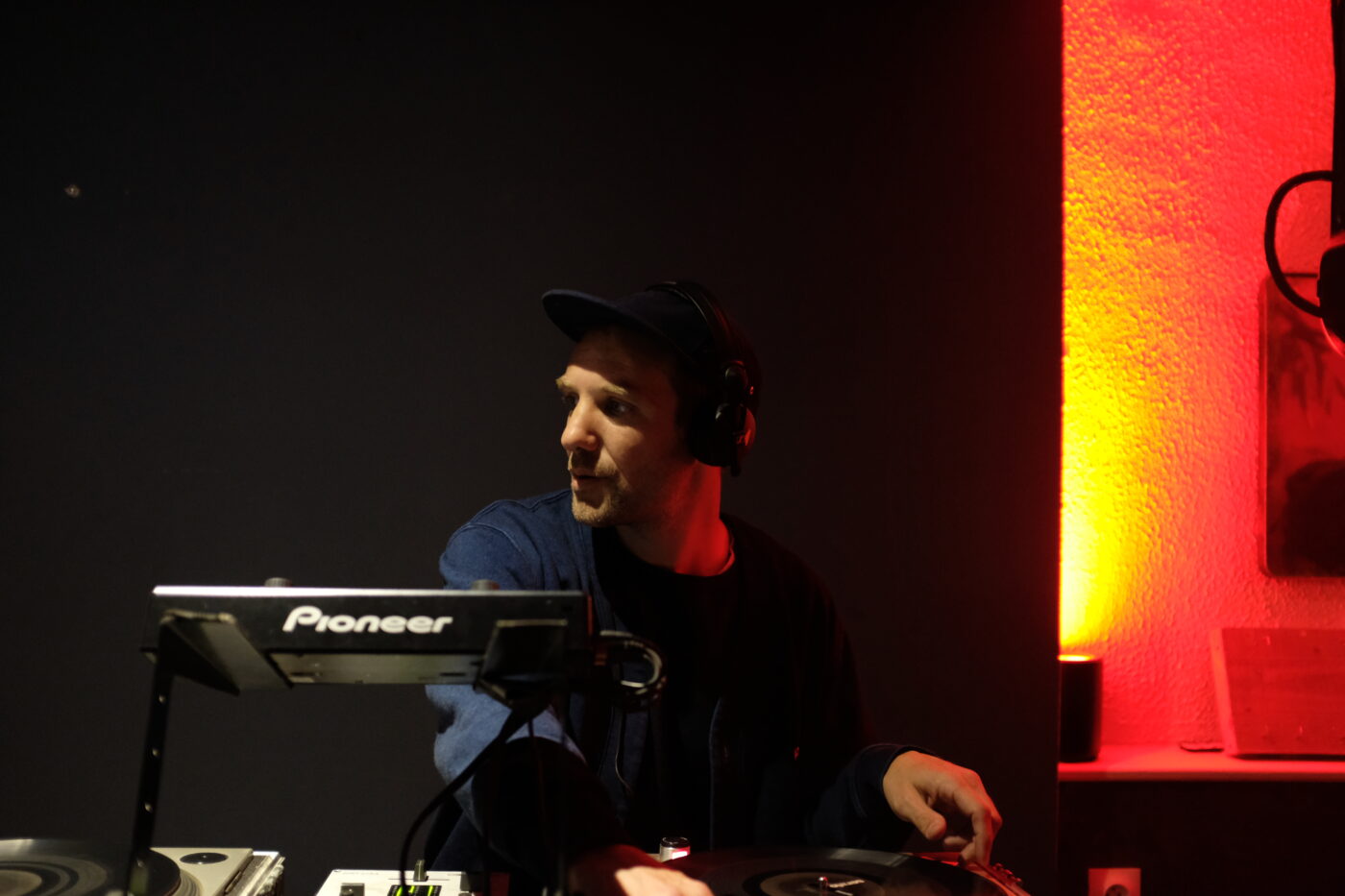
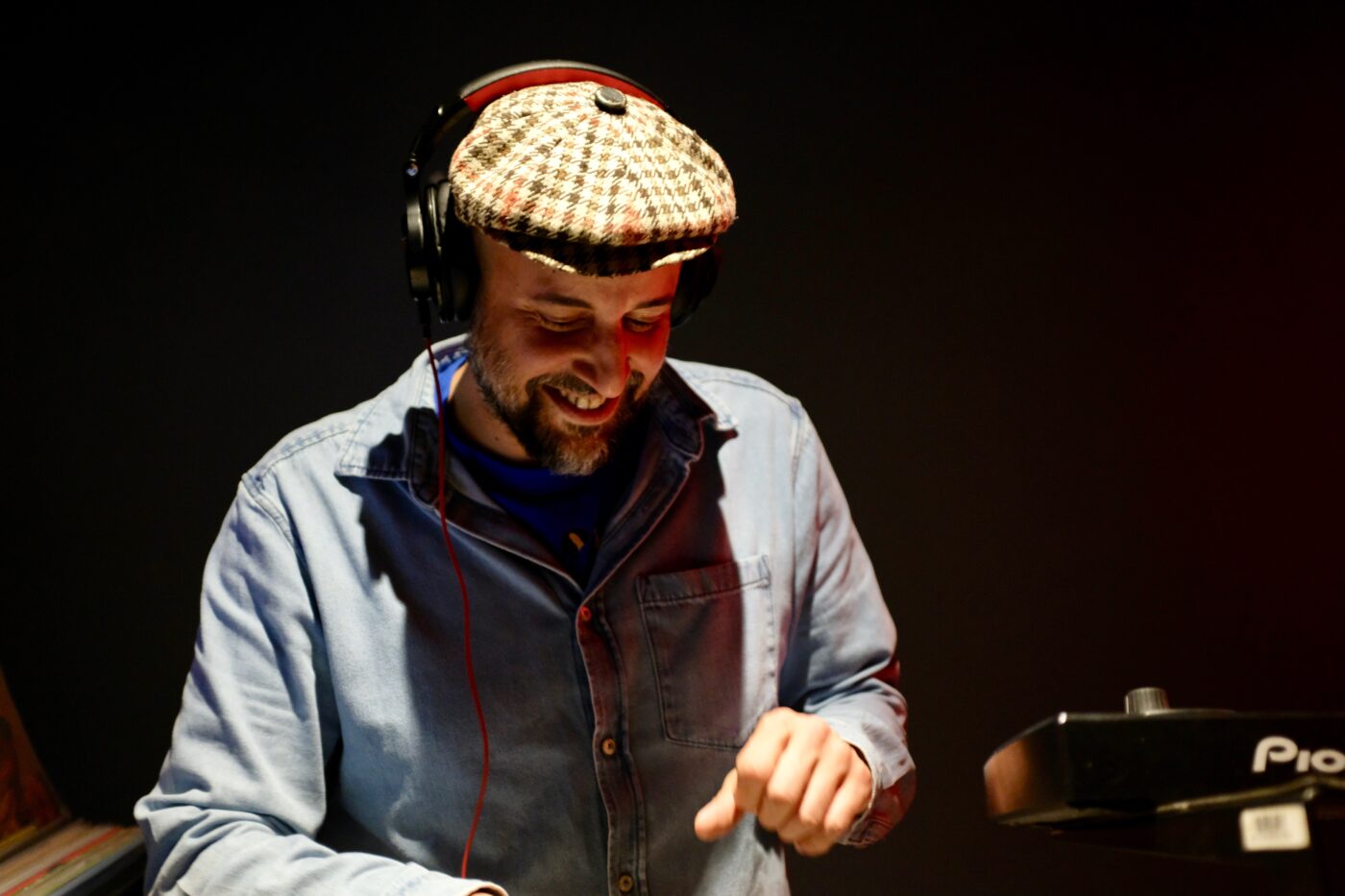
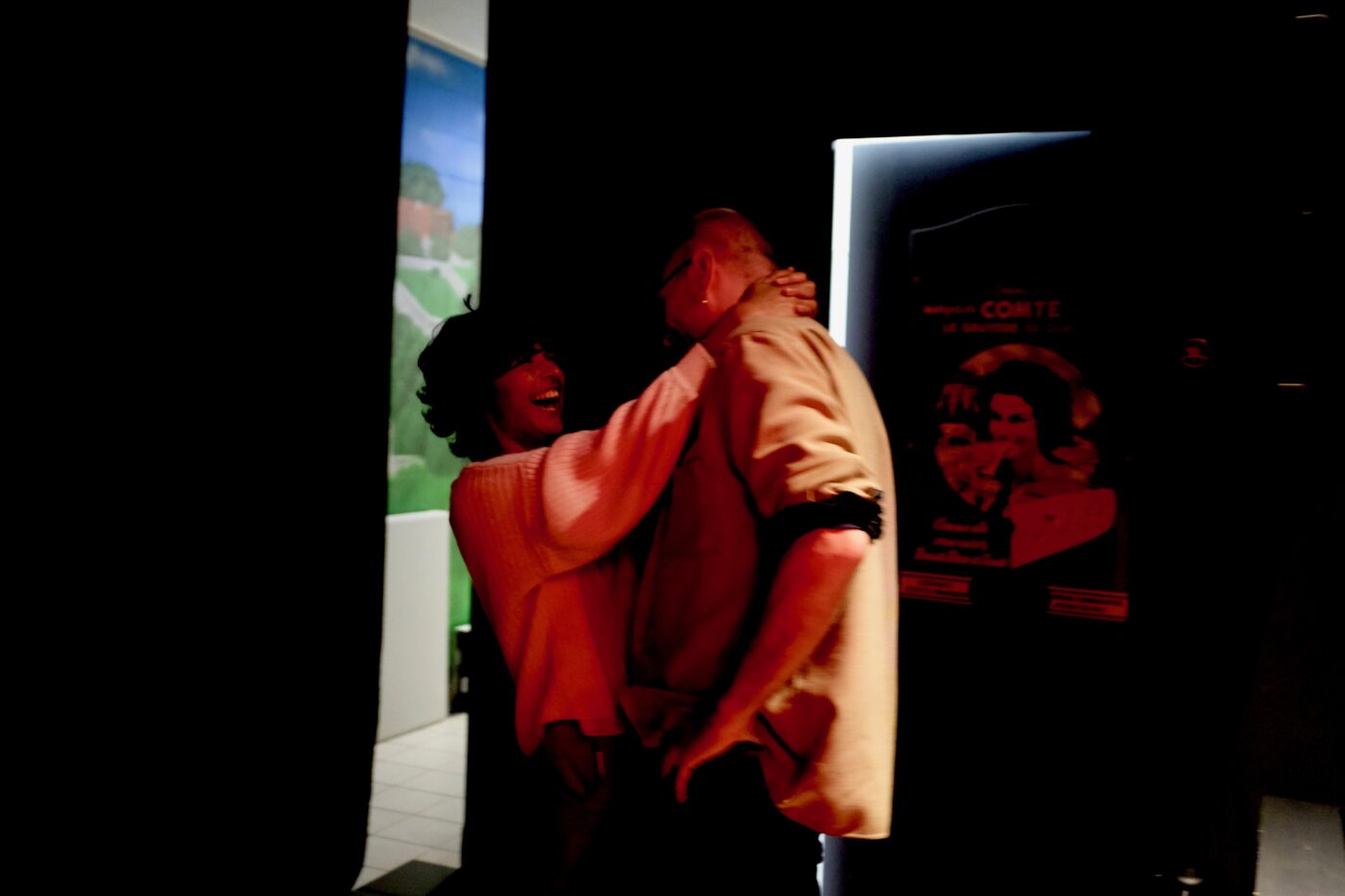
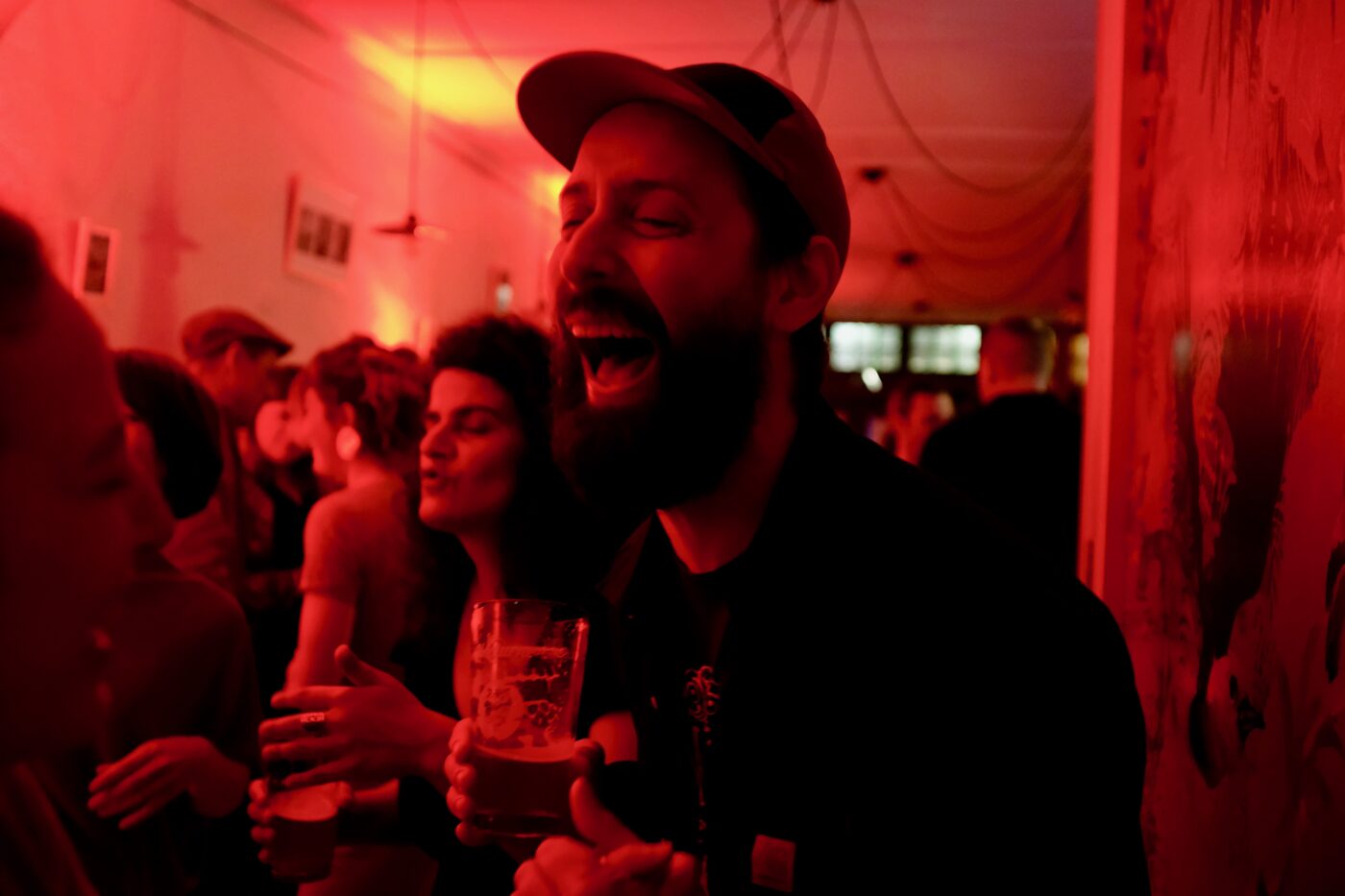
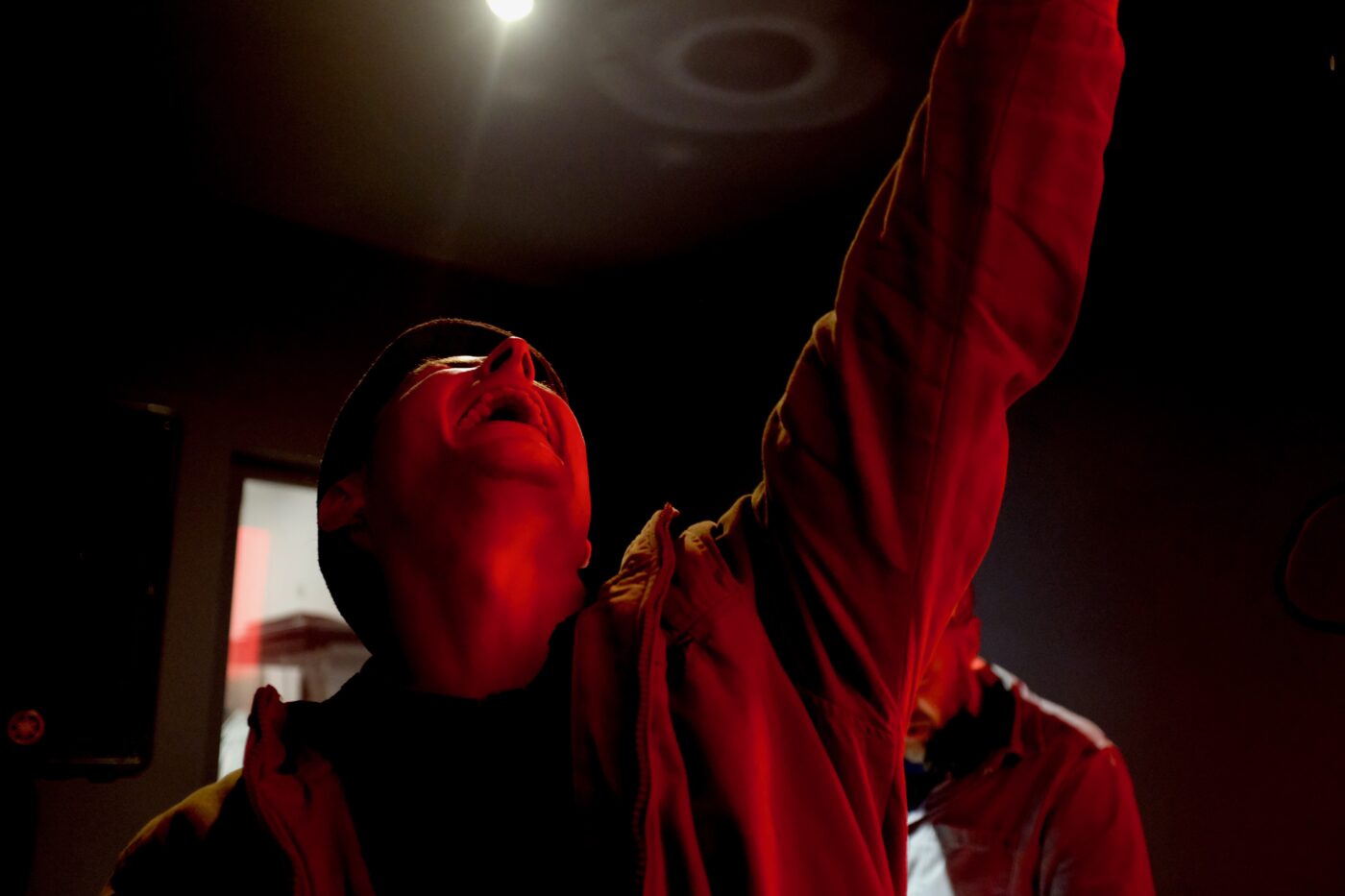
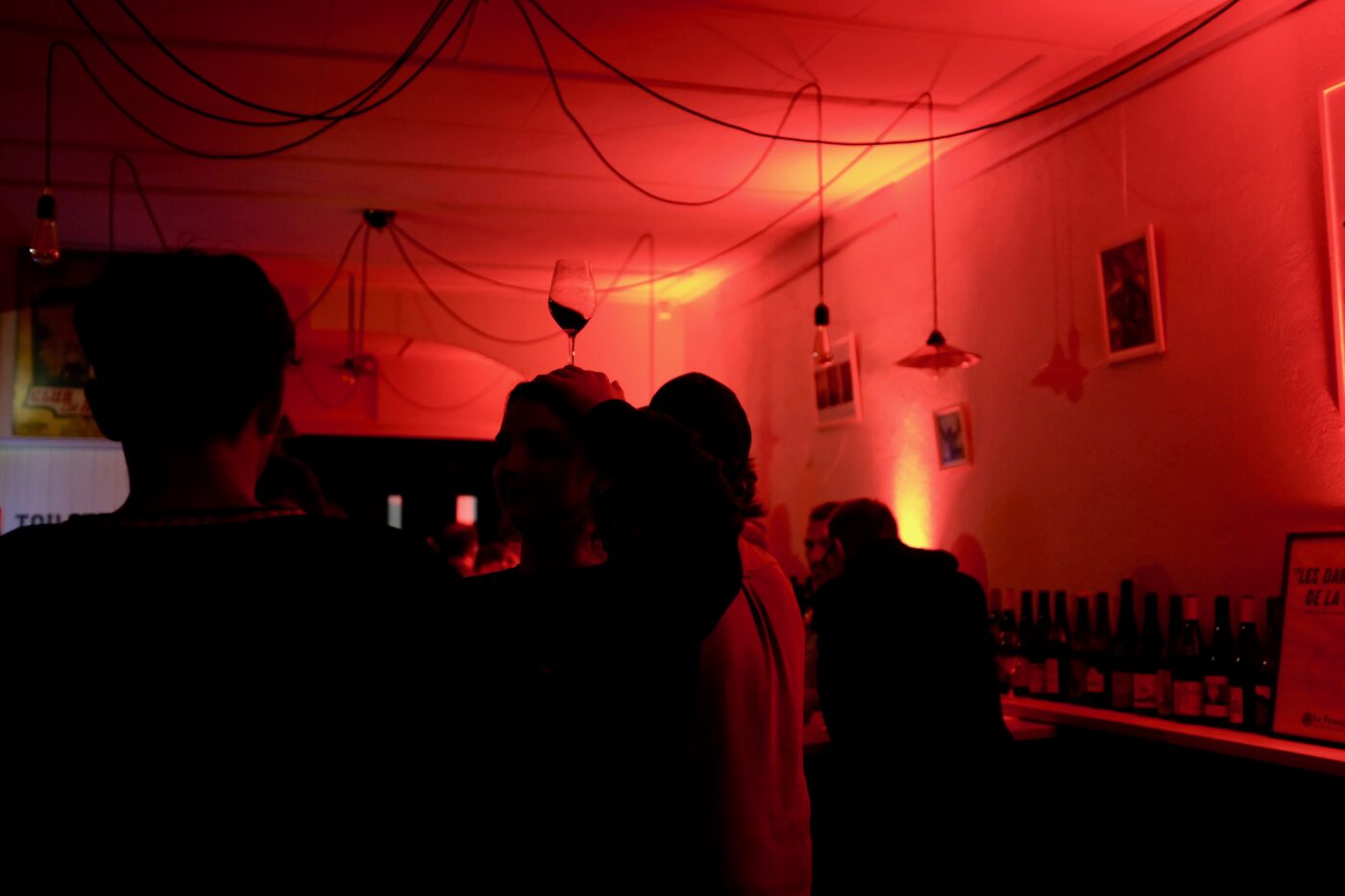
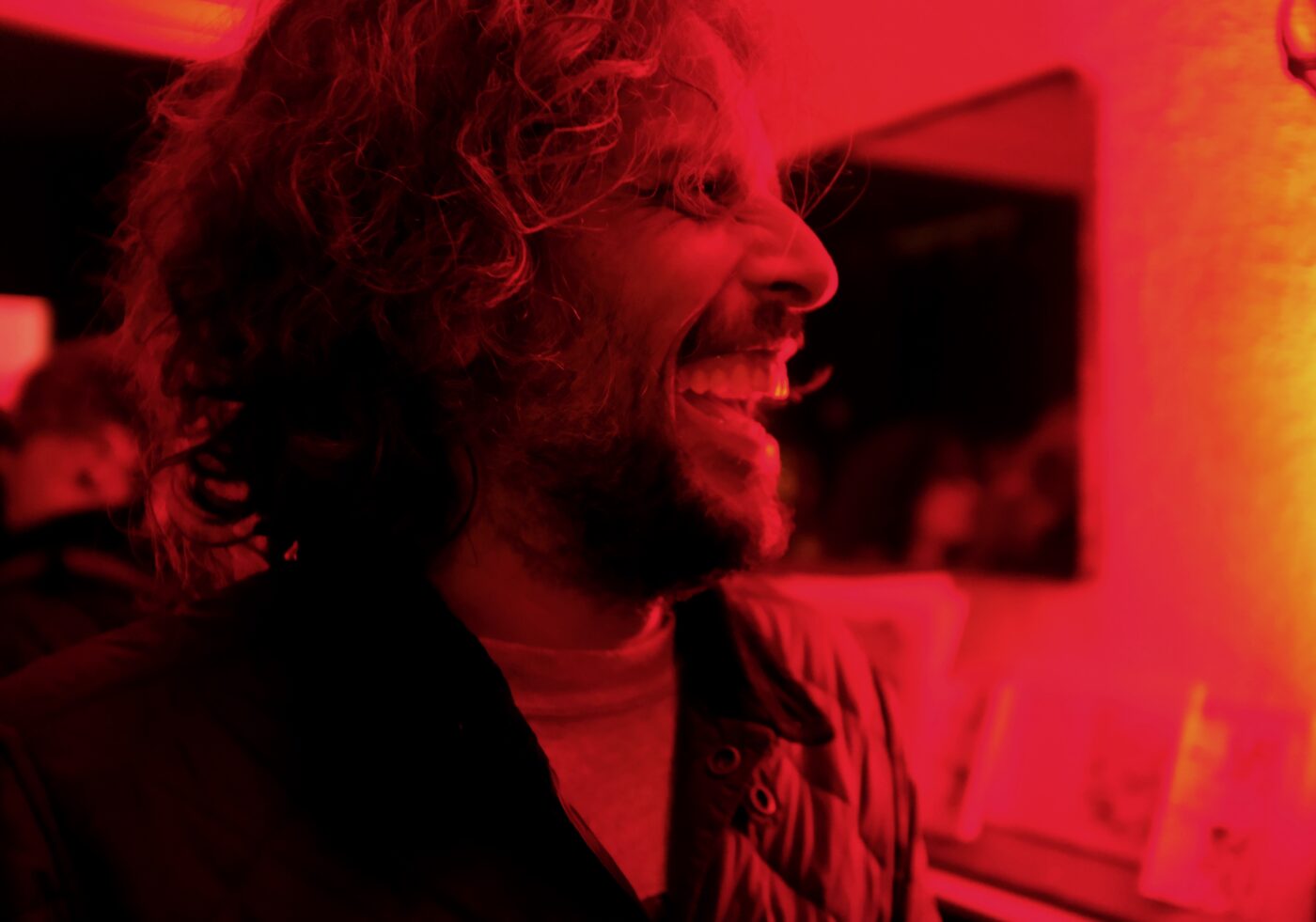
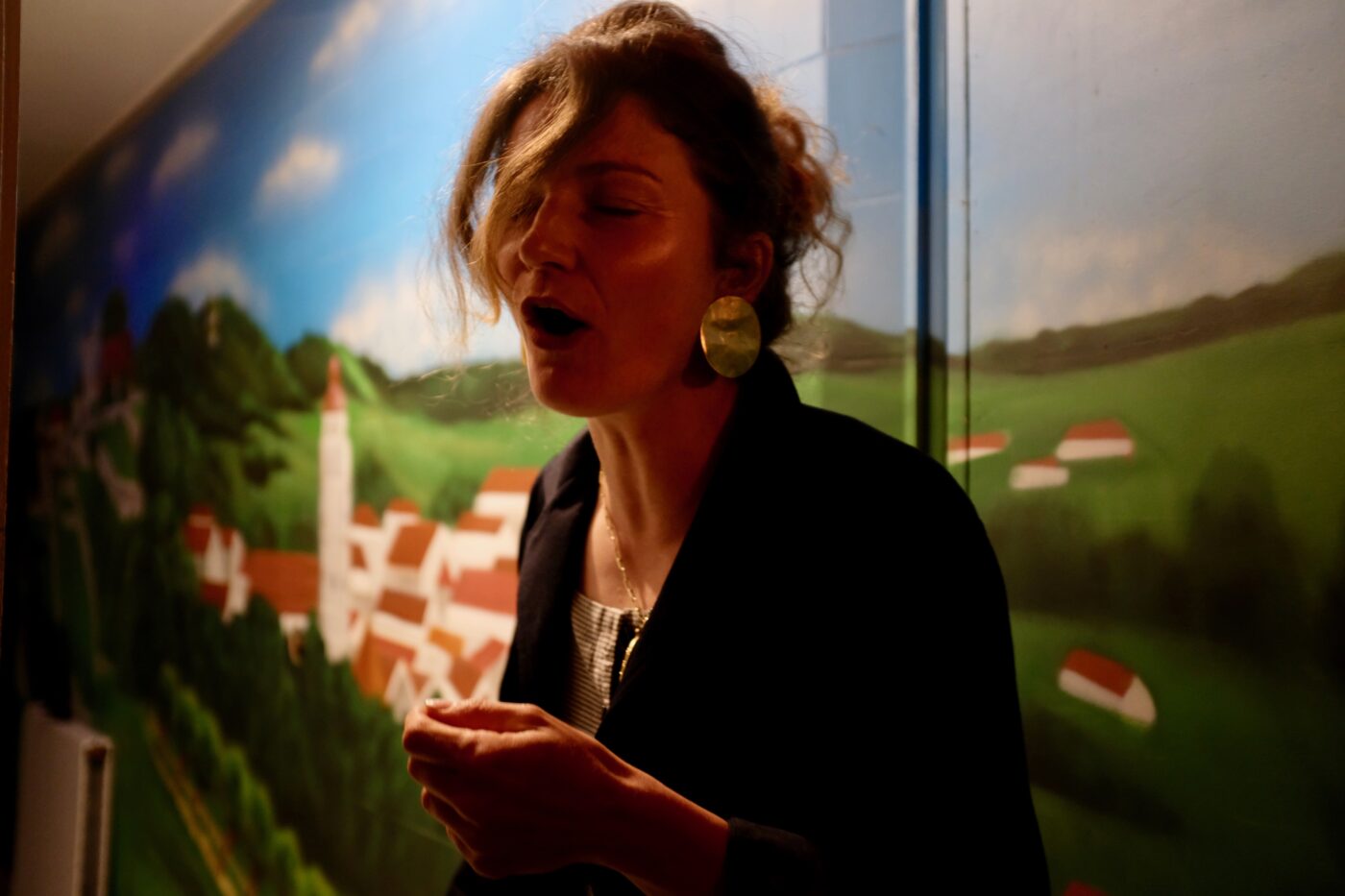
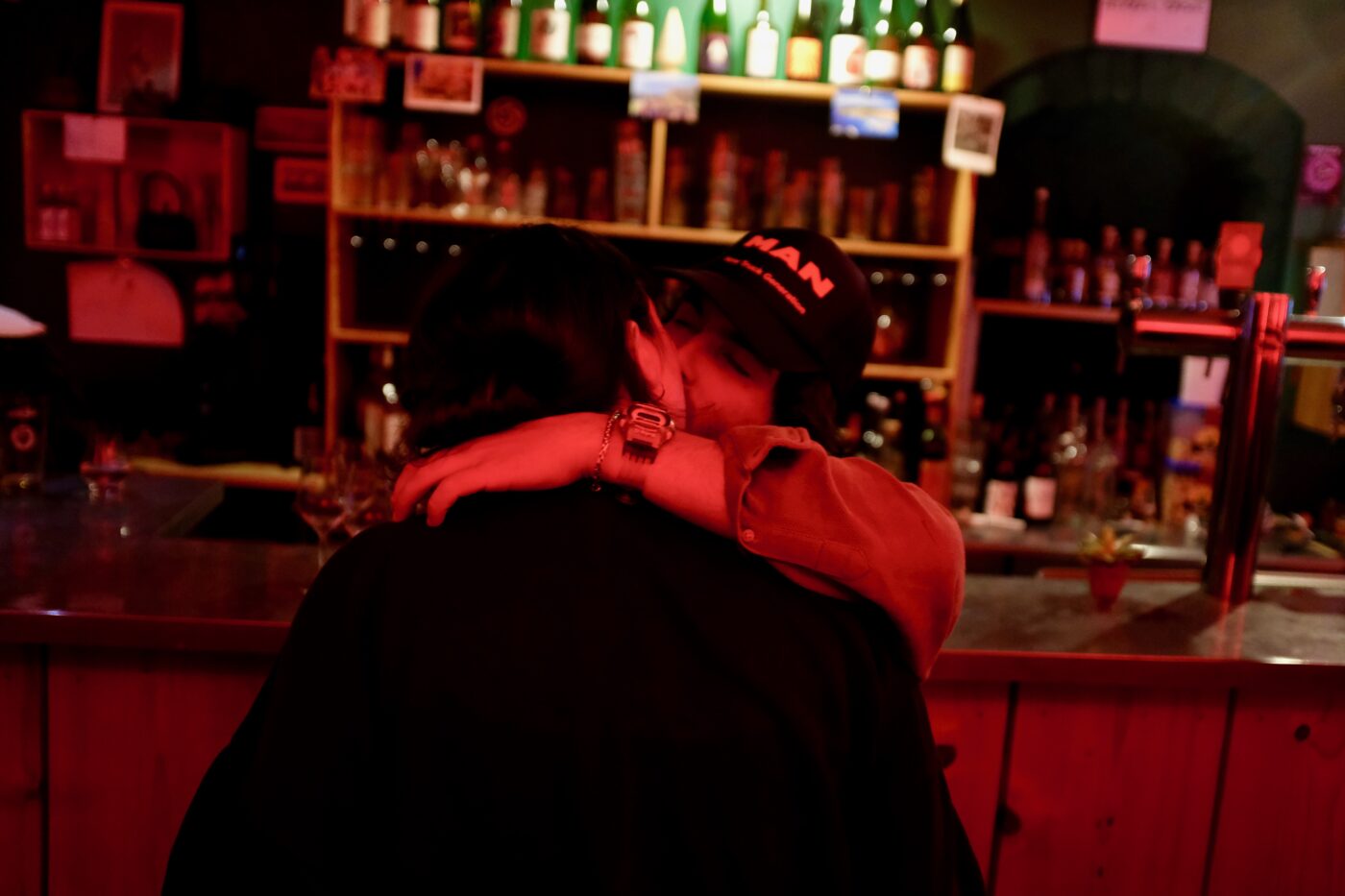
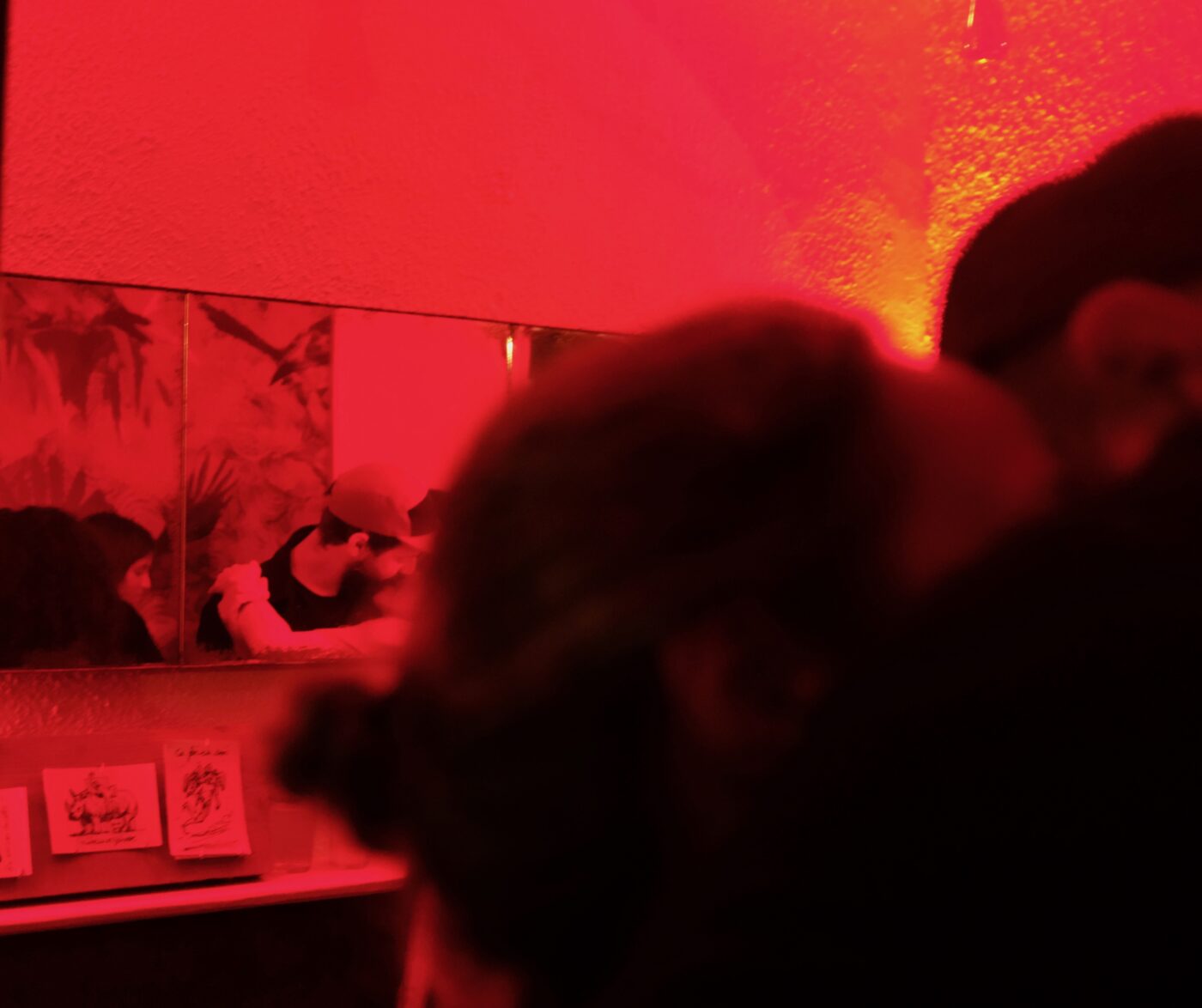
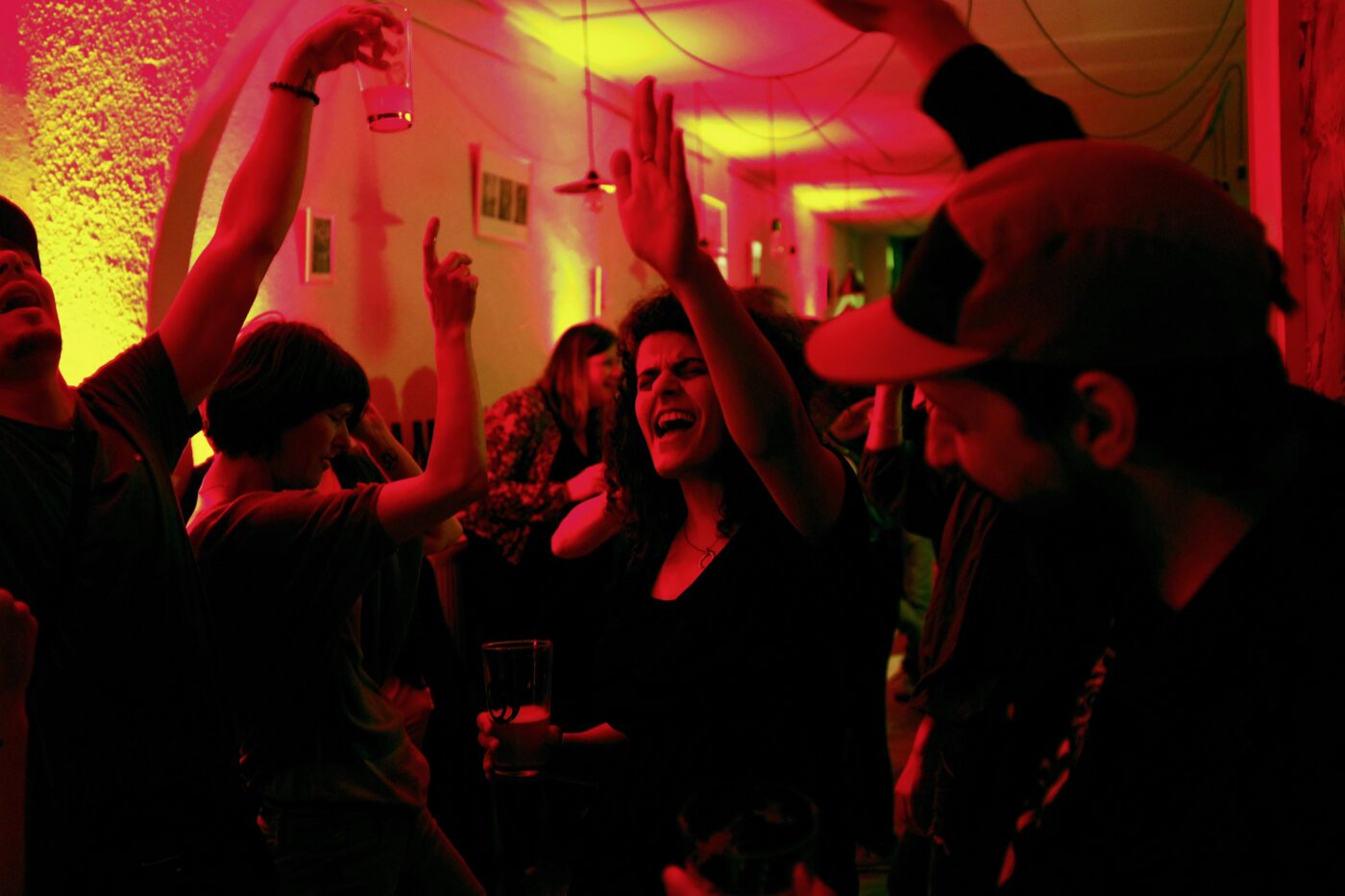
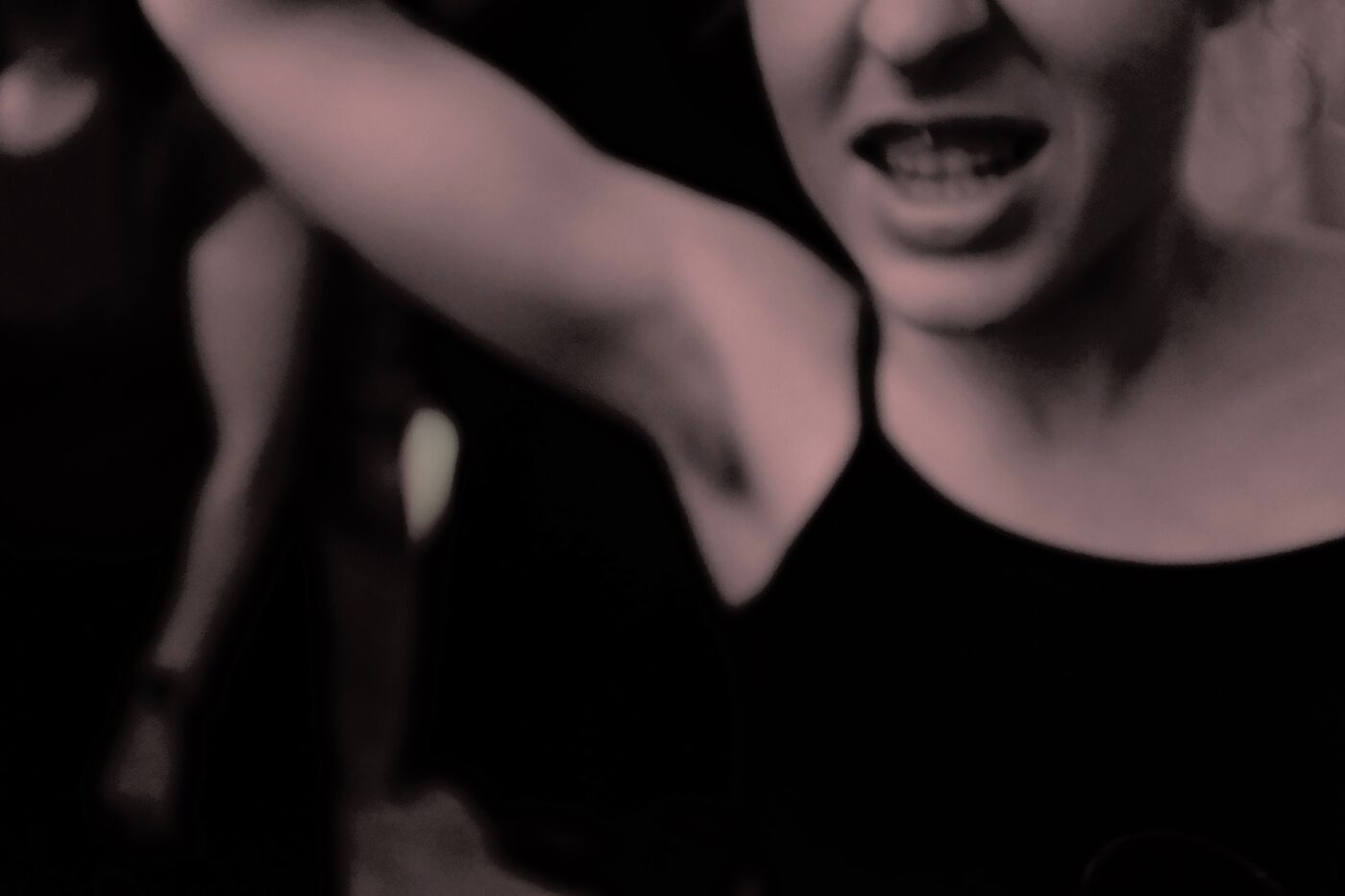
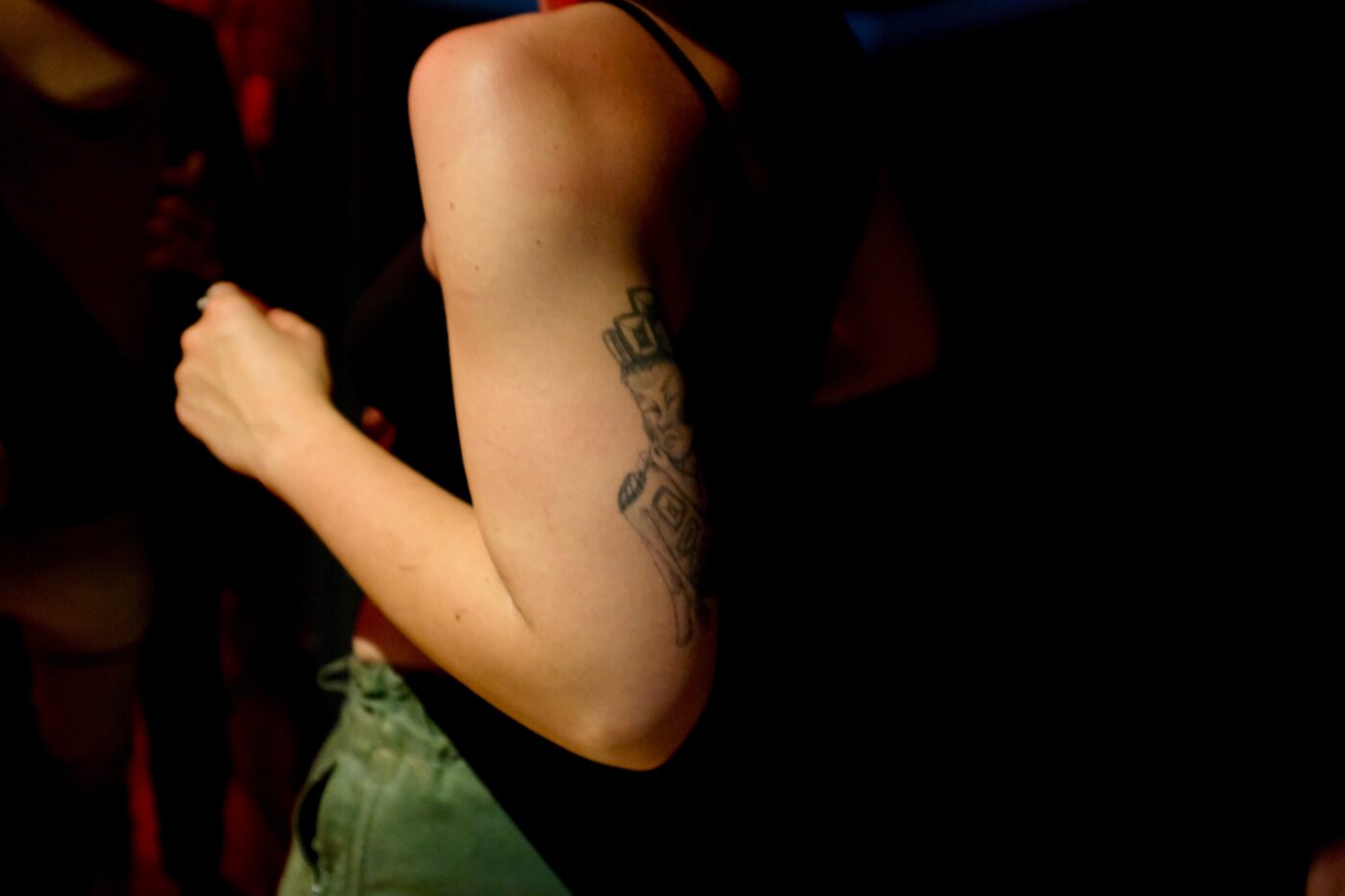
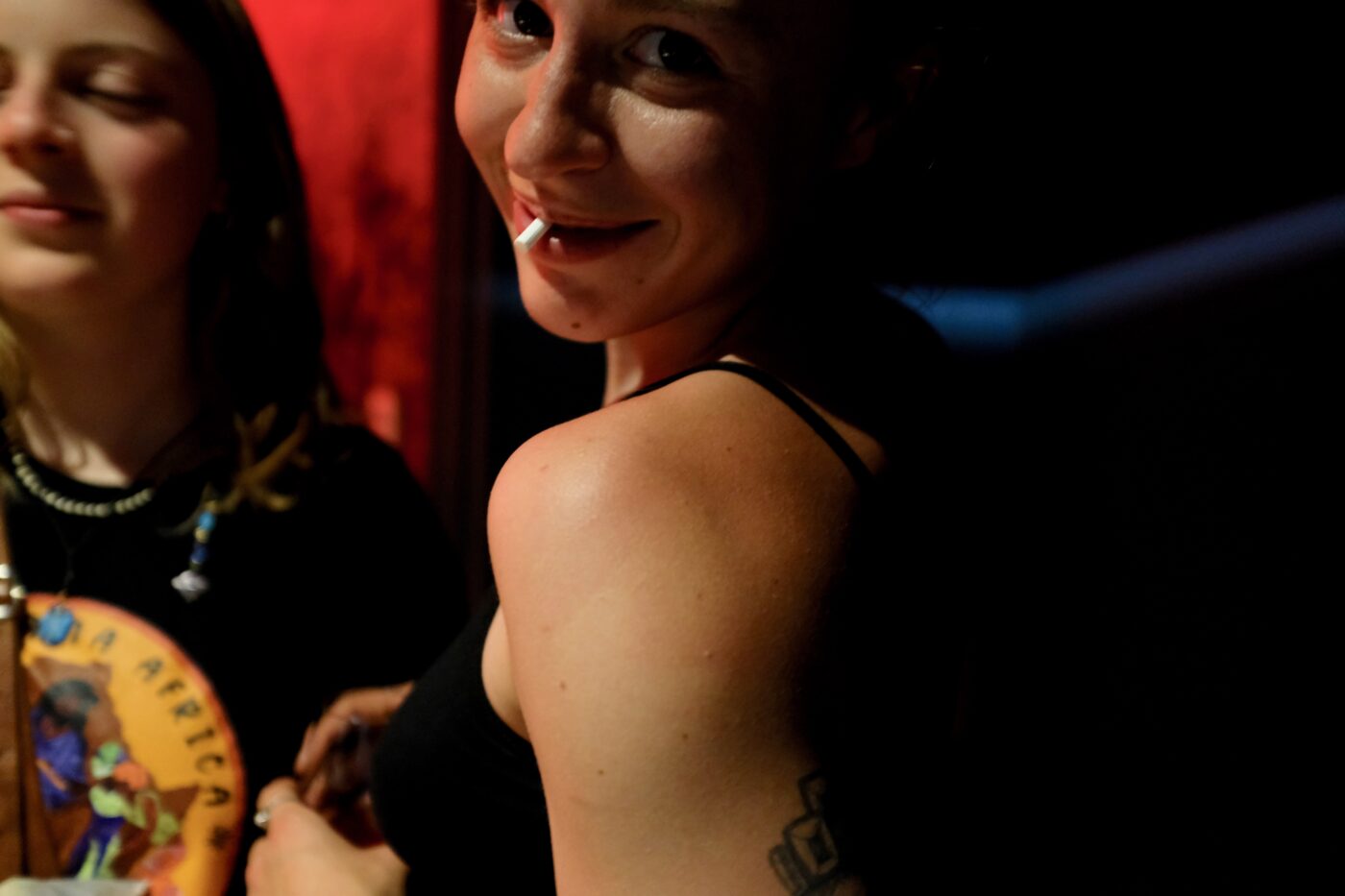
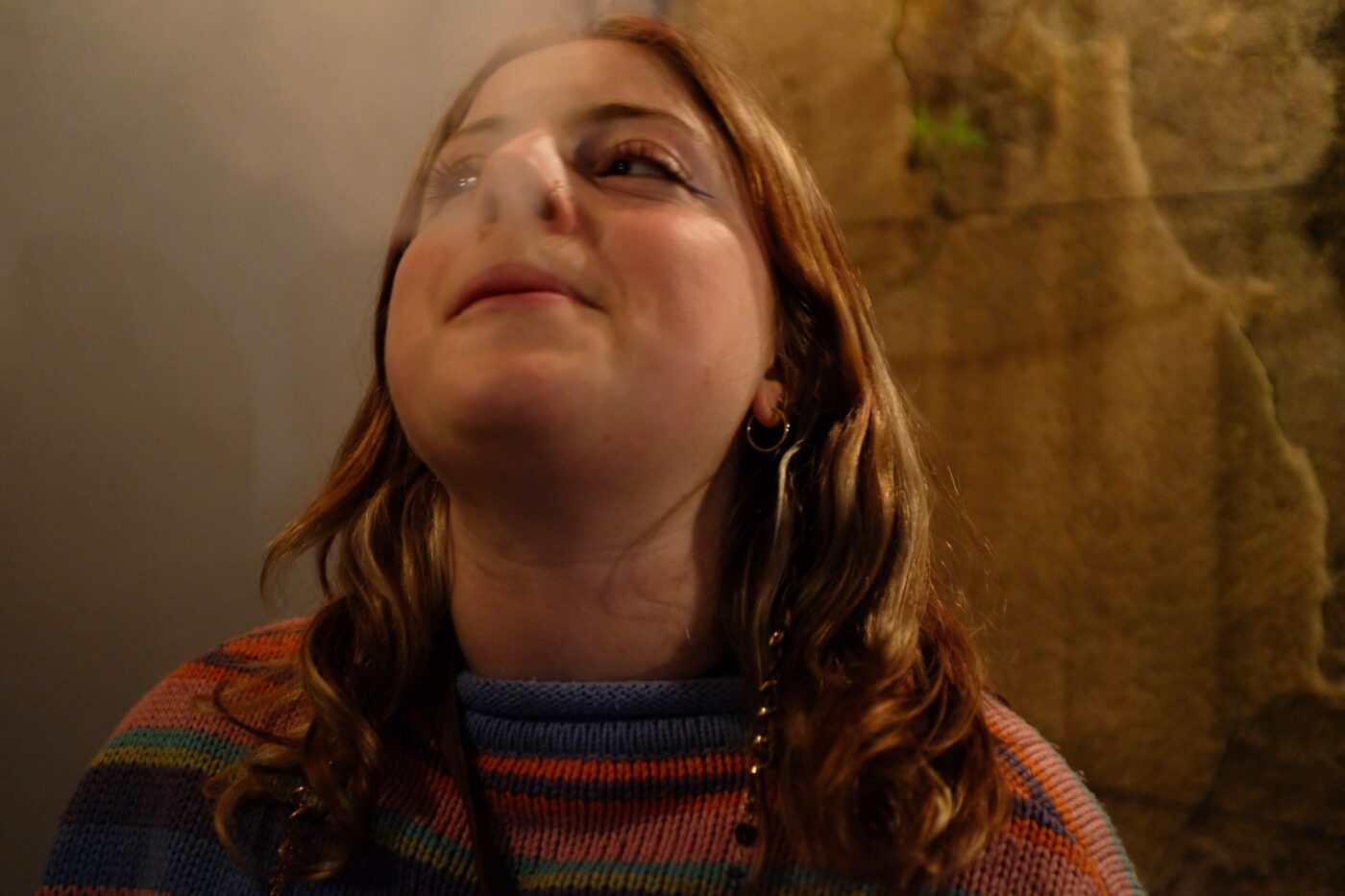
WORKSHOP AVEC ANTOINE D’AGATA
Arles, lundi 8 avril 2024, 10H. Antoine d’Agata est en face de moi dans la cour de la Maison des Arènes. Je ne suis pas en retard, je ne rêve pas, je suis bien là. Et lui aussi. Maintenant tout peut arriver. Mais voila ce qui arriva.
Passer une semaine avec Antoine D’Agata c’est d’abord ne pas dormir beaucoup. On le sait, on est présent avec lui la journée et nous partons avec nos boitiers le soir. Le sujet importe peu, ce qui compte c’est que le lendemain 9.30 am, nous ayons des photos. Mais pas n’importe lesquelles. Pas celles qui montrent ce que l’on ressent mais celles qui montrent ce qu’on a fait de notre ressenti, en l’occurrence ici, de notre désarroi, nos doutes, nos frustrations, nos angoisses face à nos objectifs et leurs improbables réalisations au regard du contexte et du temps que nous avons. Voilà, comment ressentir l’extrême. Pas celui d’Antoine, sa vie est trop romanesque pour que l’on puisse ne serais ce qu’imaginer le suivre, mais nos propres limites. « Push, push, push… ! » fut un peu notre mantra de la semaine. Alors on cherche, on insiste, on n’a pas le choix, on push. Il faut dire que décevoir Antoine d’Agata, personne n’y pense. En face de cet homme qui donne tout, il est difficile de renoncer. Je commence à comprendre d’ou vient la force de ses photos : il est entier. Il fait corps. Même dans ce contexte de formation, il se met à nu. Dévoilant sa vie, évoquant son travail, sans filtre, sans chercher à attirer la lumière. La lumière il l’a mise ailleurs que sur lui. Il l’a mise sur nous. Nous comprenons doucement que nous ne repartirons pas comme nous sommes arrivés.
“La photographie n’est pas un outil pour montrer mais un outil pour faire. Elle est une histoire de regard sur l’extérieur autant que sur soi. ». Agir. Faire. Exister avec et ne pas simplement rendre compte de. Faire ressortir n’est pas suffisant.
J’agis. J’ai envie de corps. De peau et de chair. De mise à nu moi aussi. Et en plus, je m’imagine que ça va être facile. Arles. Le Sud. C’est facile. Le serveur du Mistral, me donne la carte du N., un sauna libertin qui pourrait être assez open pour m’autoriser à faire des photos. Trop facile.
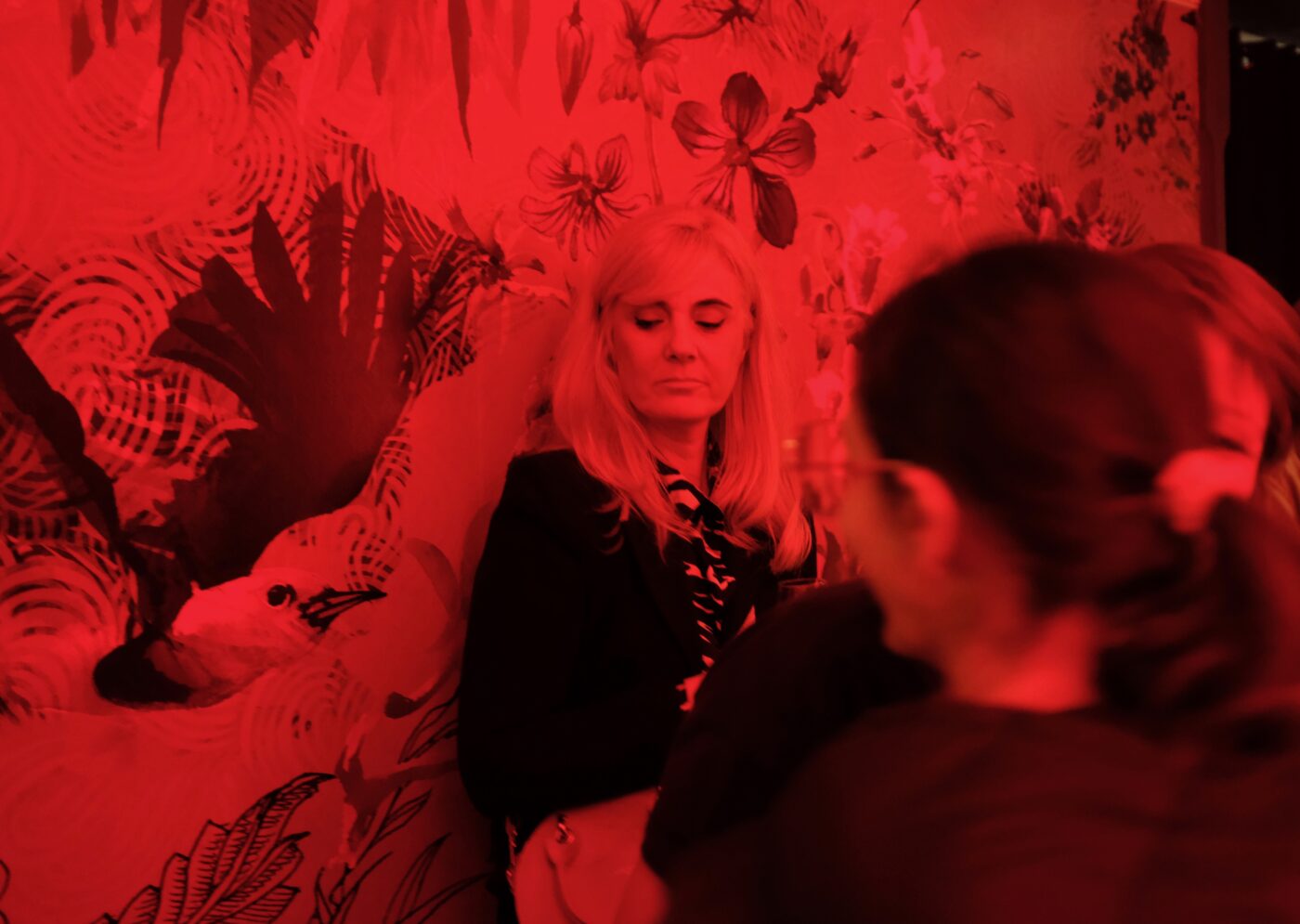
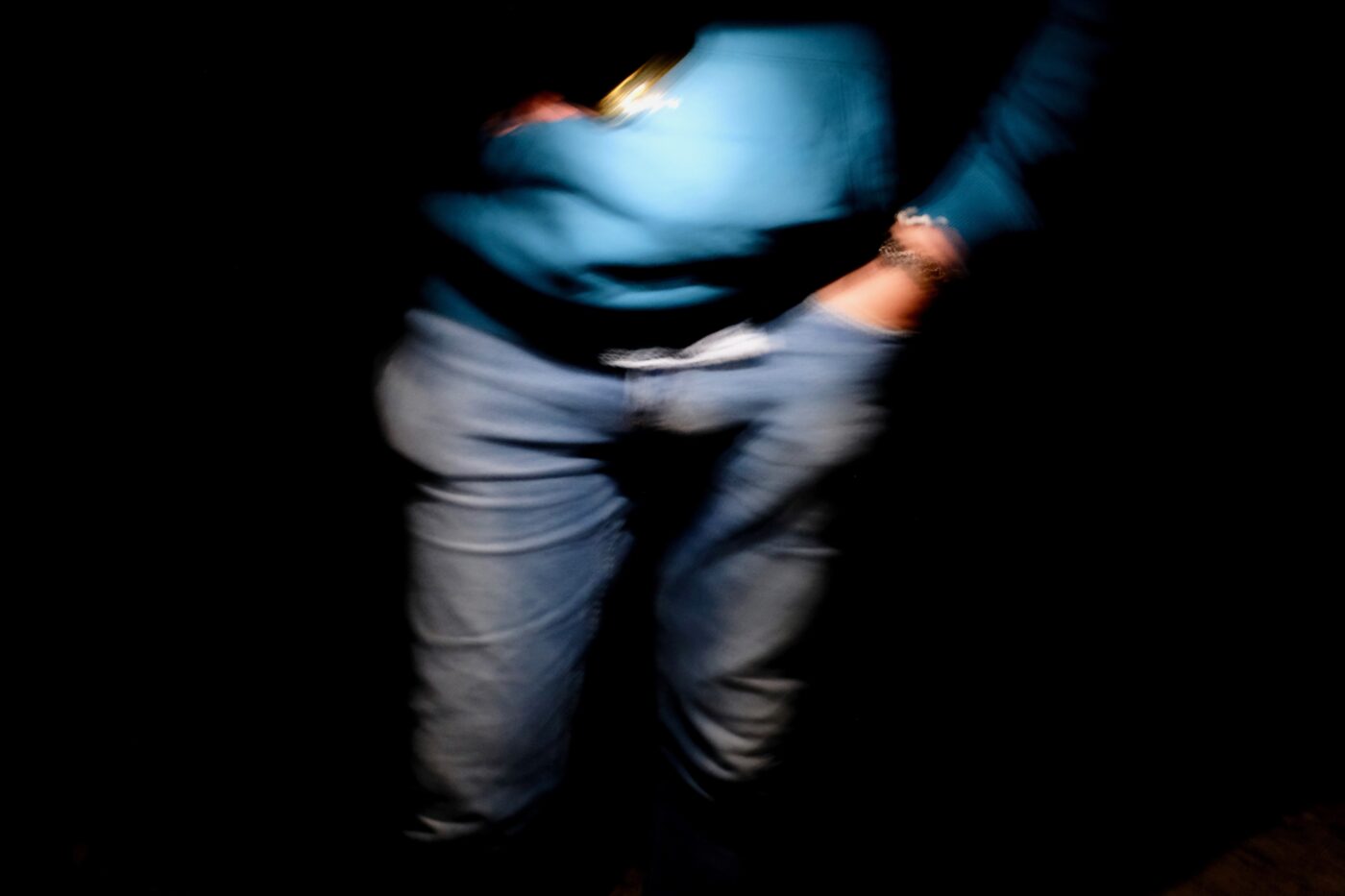
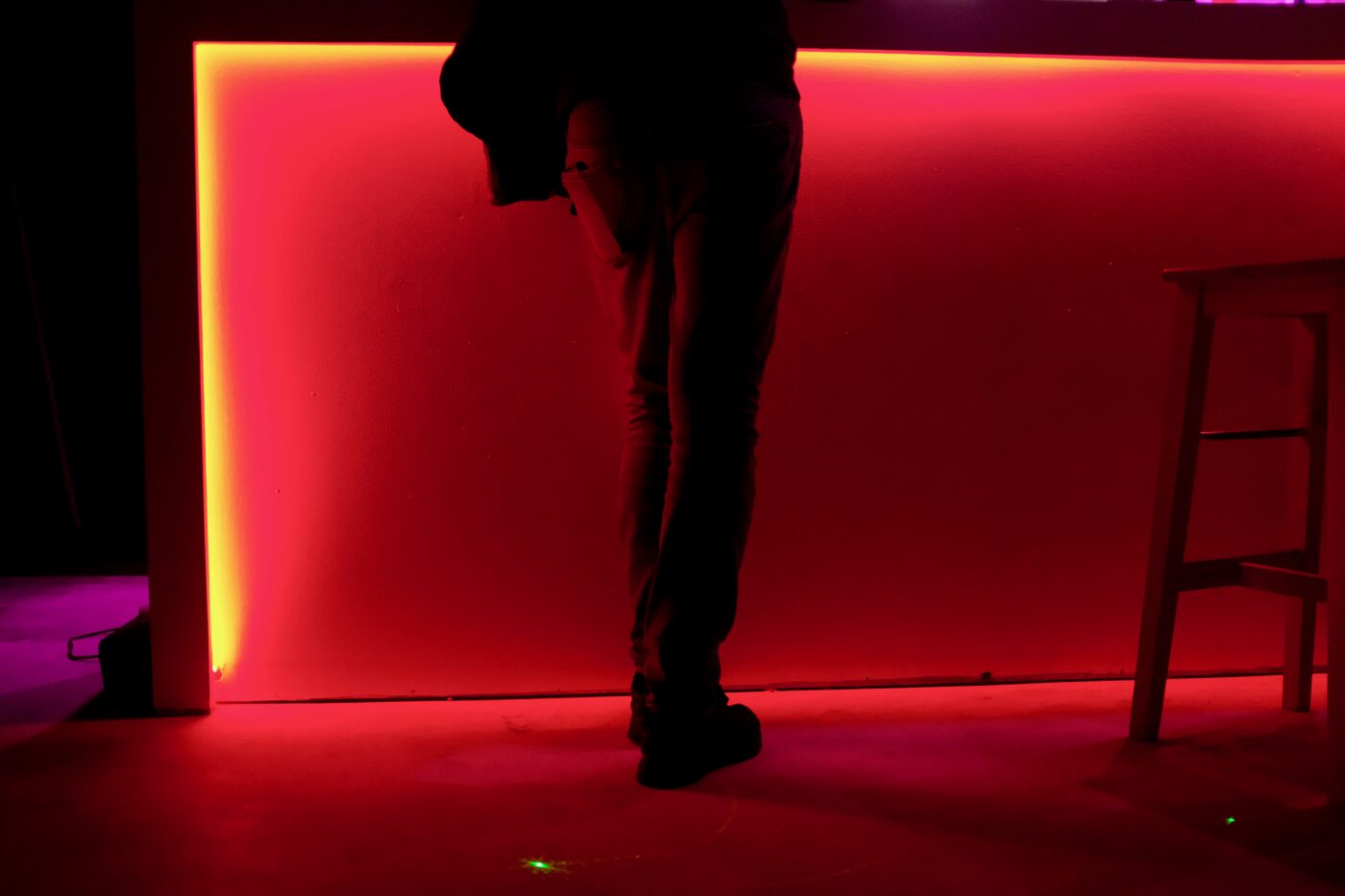
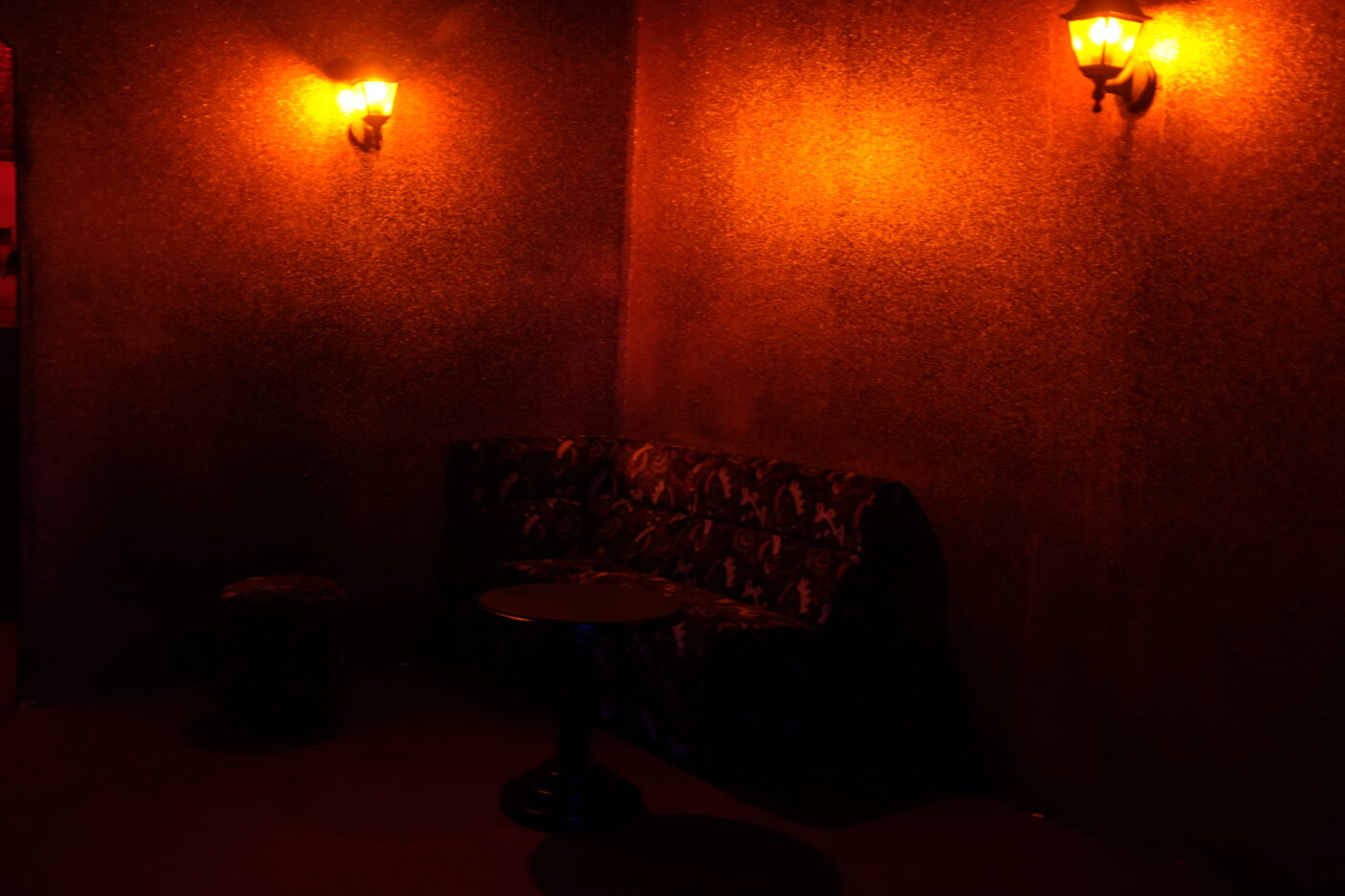
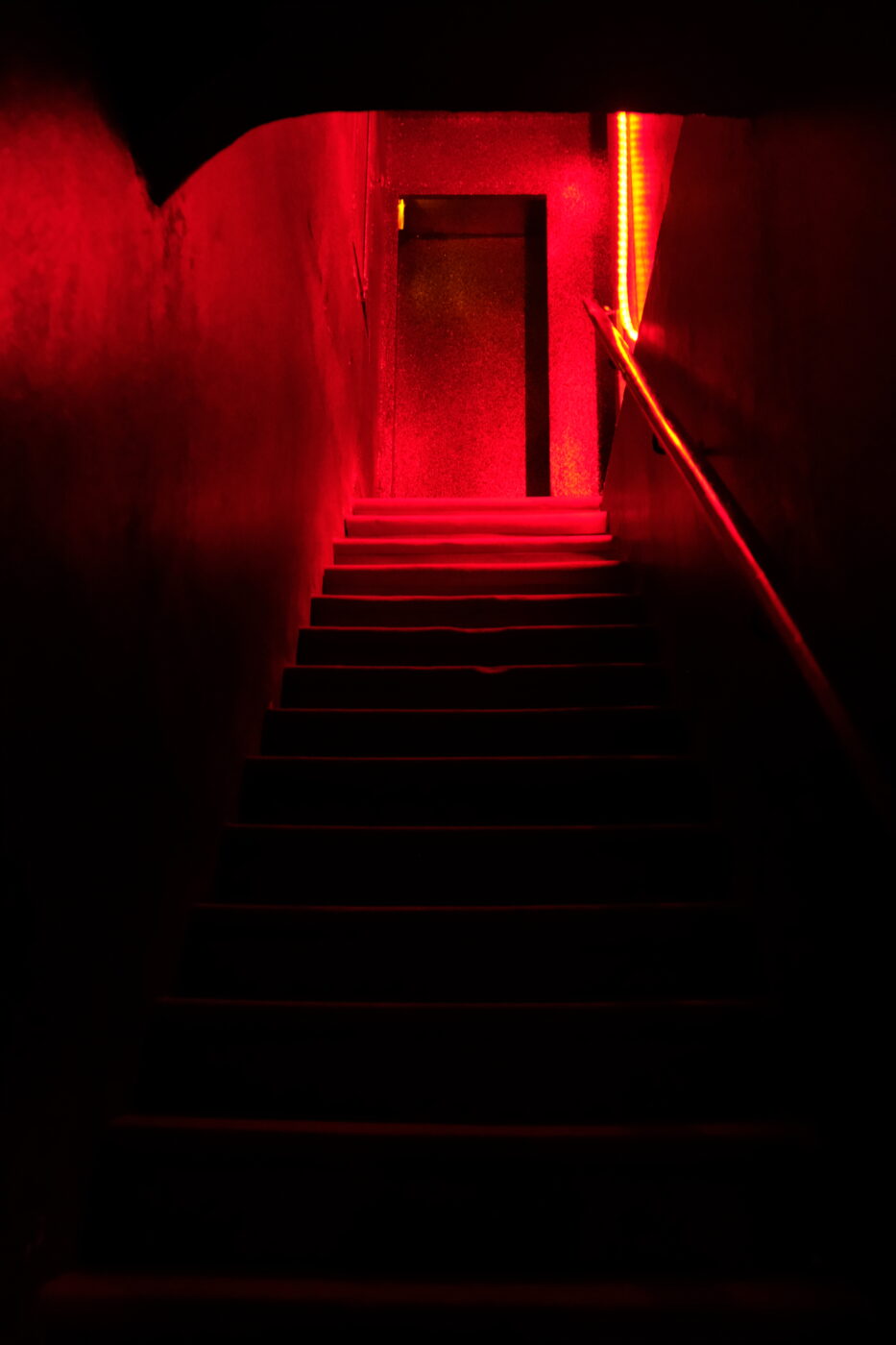
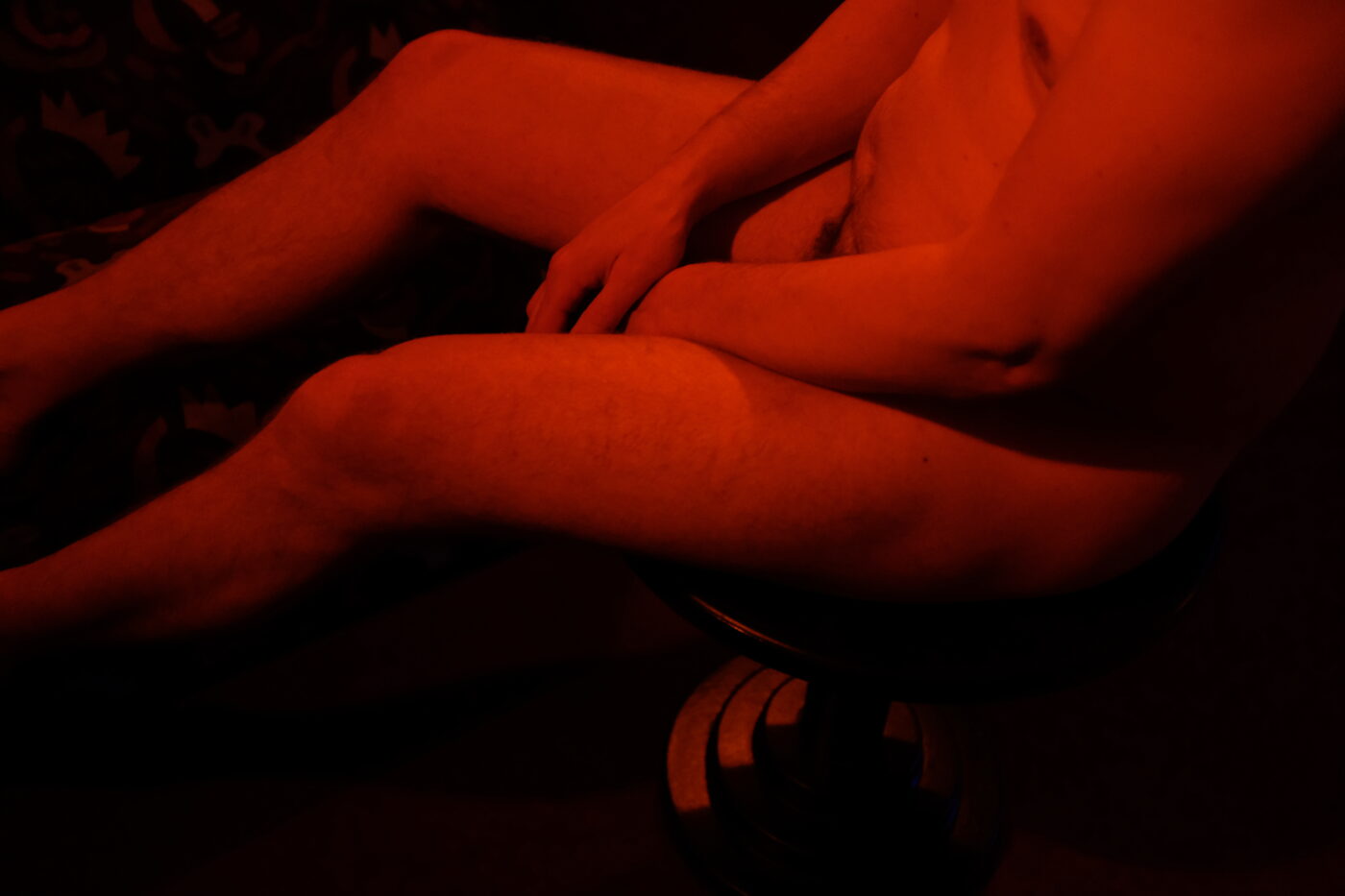
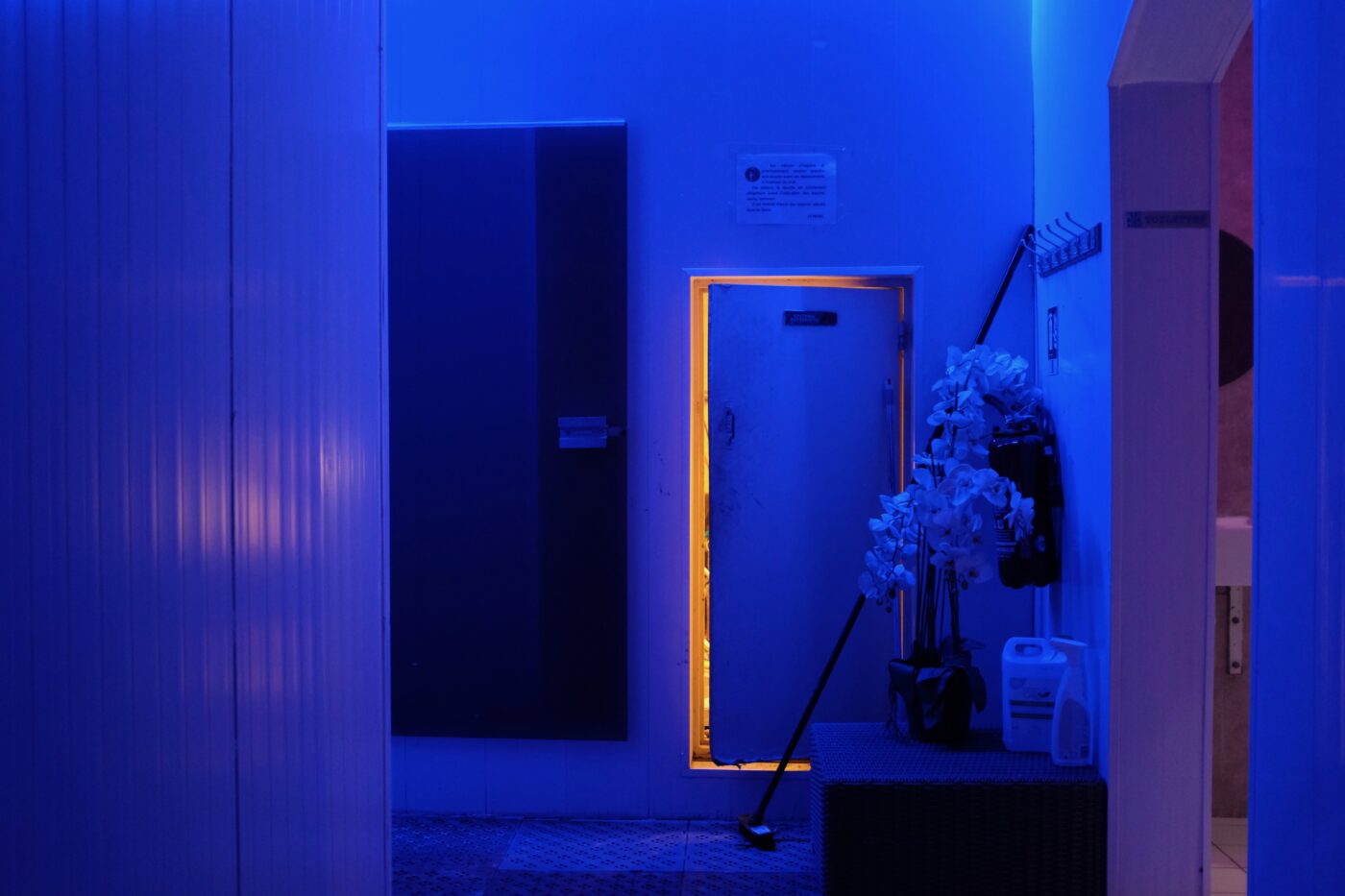
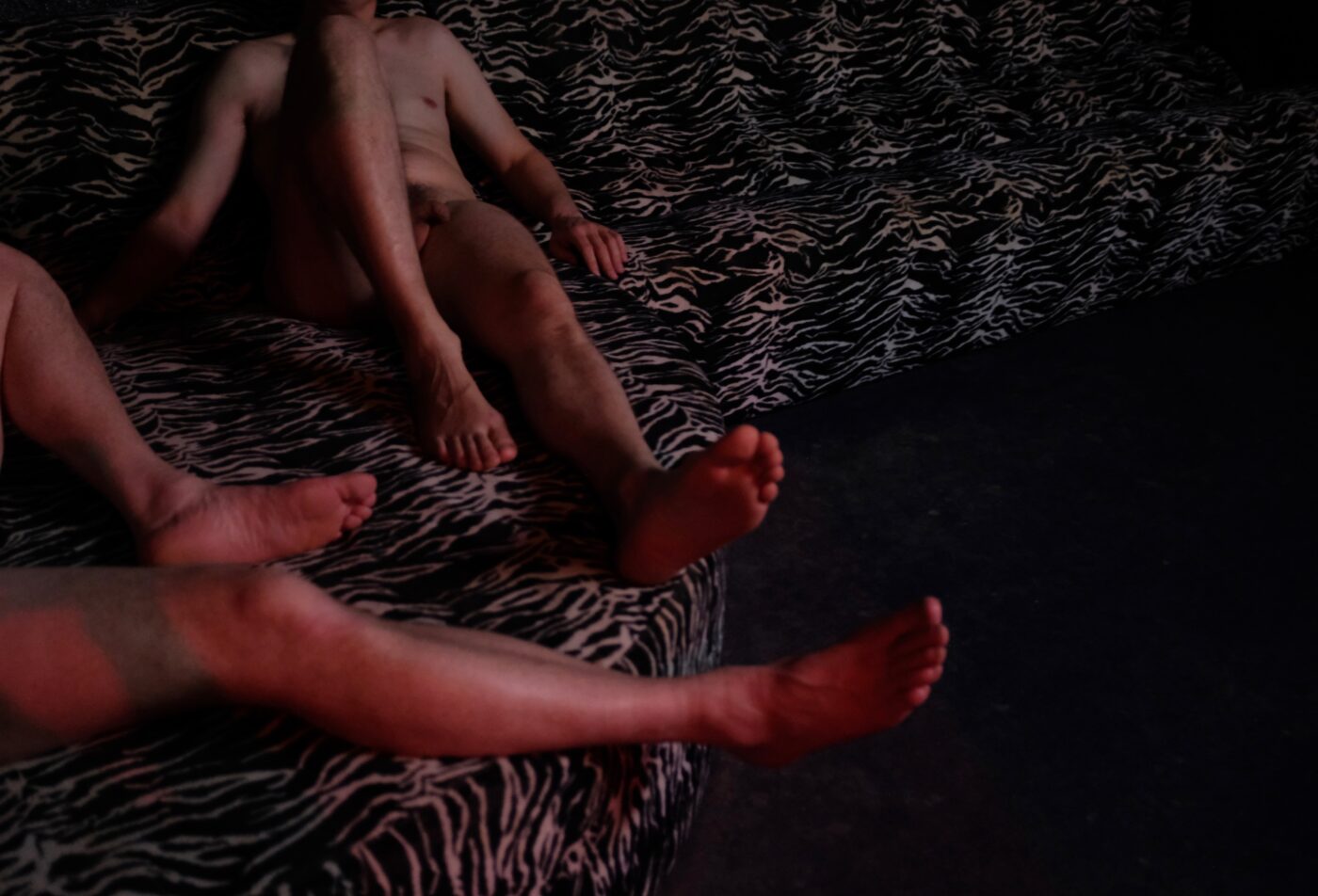
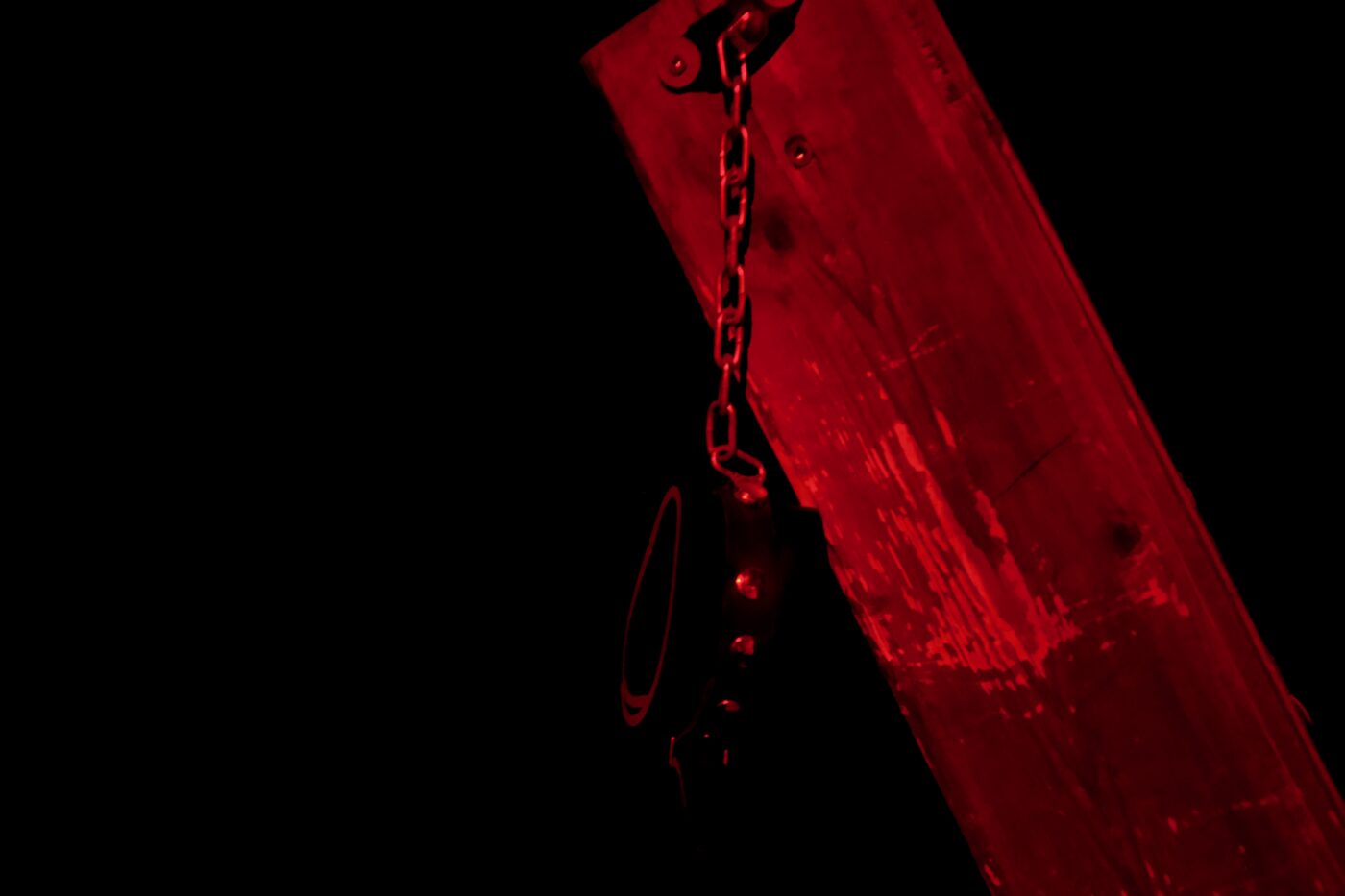
Le sauna est proche du centre. J’y vais confiante et hallucine dans ce décor. Les lits king size en skaï rouge et noir, la piste de danse avec sa barre de pool dance, le jacuzzi, les banquettes tigrées, les écrans qui diffusent le même film X en boucle, et des étages où je découvre pèle mêle, des tables de massages, des alcôves obscures, des chaines sur une croix, un fauteuil immense pour s’y installer les jambes en l’air, … l’ensemble compose juste parfaitement ce que j’avais en tête. Il ne me reste plus qu’à y rencontrer des corps et de la chair.
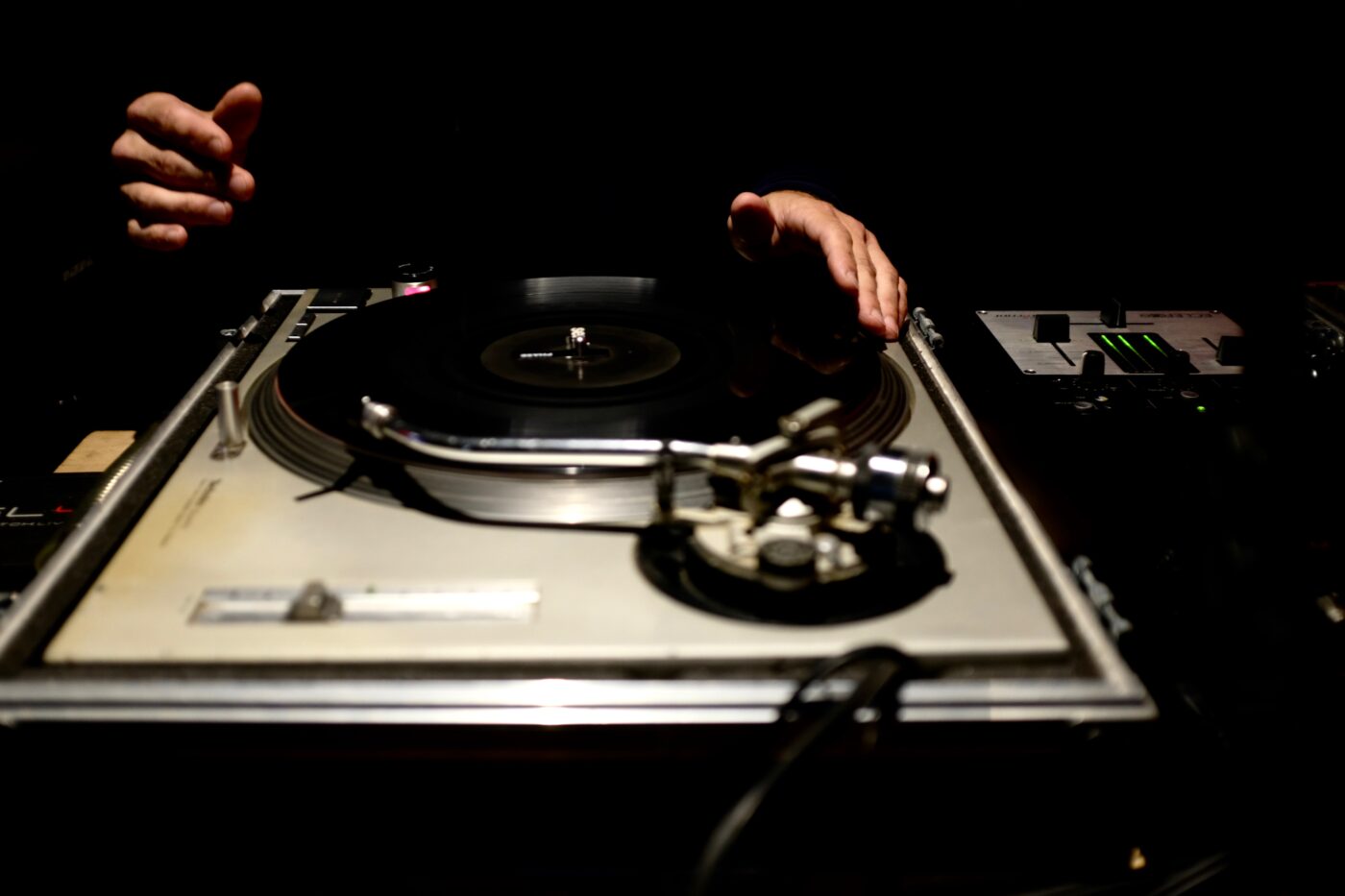
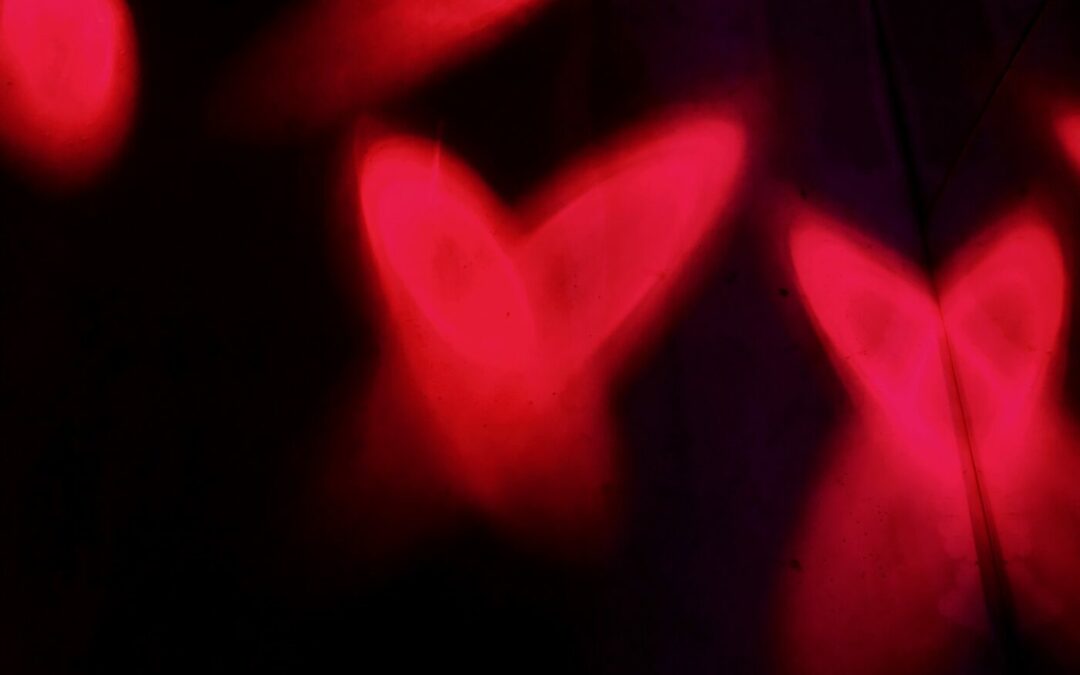
Profitant de la bienveillance du patron, je shoote cet endroit jusqu’à la fermeture. Etre là avec un appareil photo est assez rare et je me régale des lumières rouges et bleues. Le décor me suffit. Nous faisons connaissance.
Au matin, le tirage des photos me conforte dans mes premières impressions : avec des clients, je vais pouvoir réaliser des images folles. Des photos que je ferrai à l’instinct, comme d’habitude.
Des clients justement, Antoine me dit que ce sauna est surtout réputé pour ne pas en accueillir beaucoup. Mais je suis lancée et plutôt rassurée par les premiers tirages.
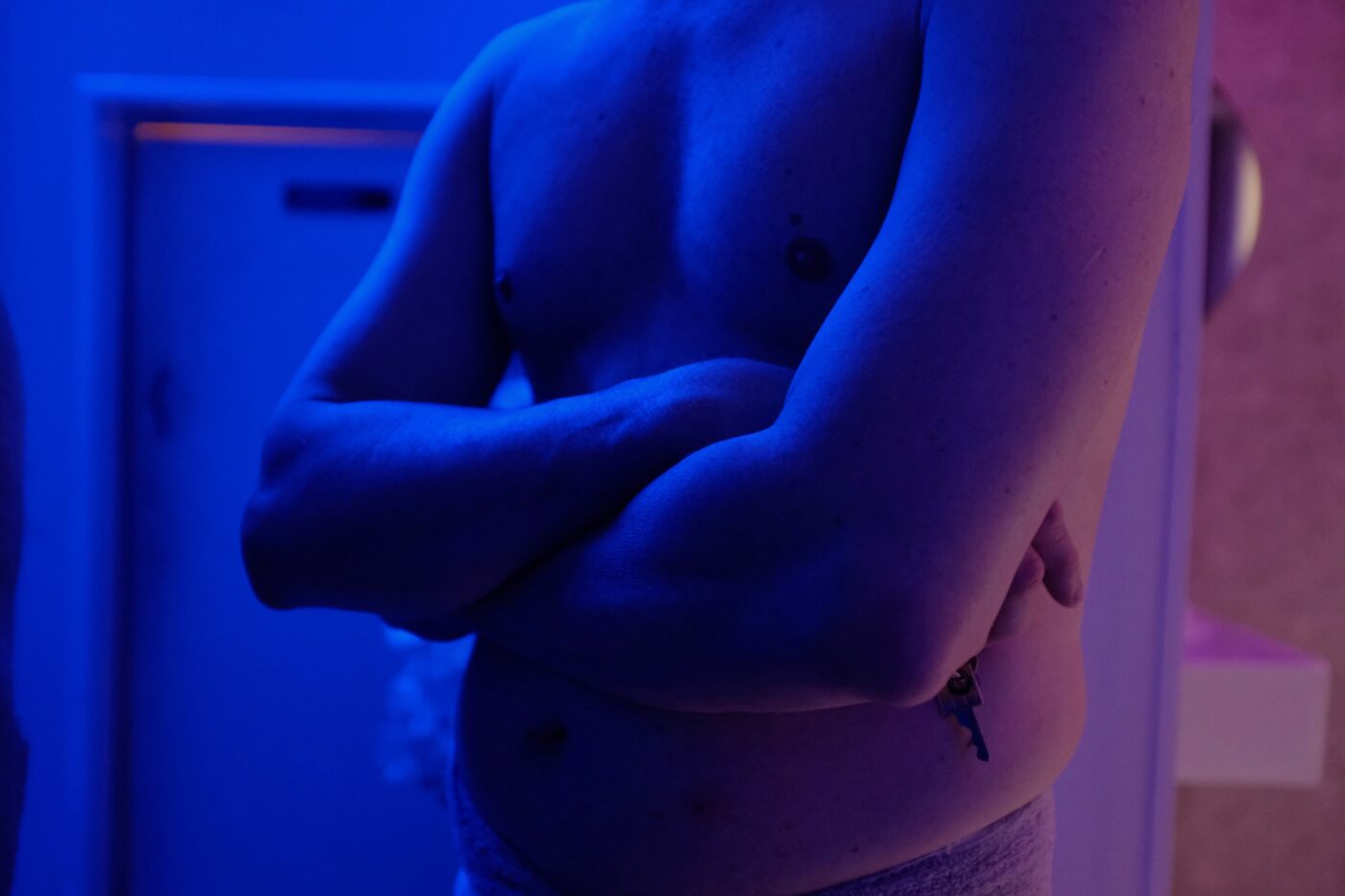
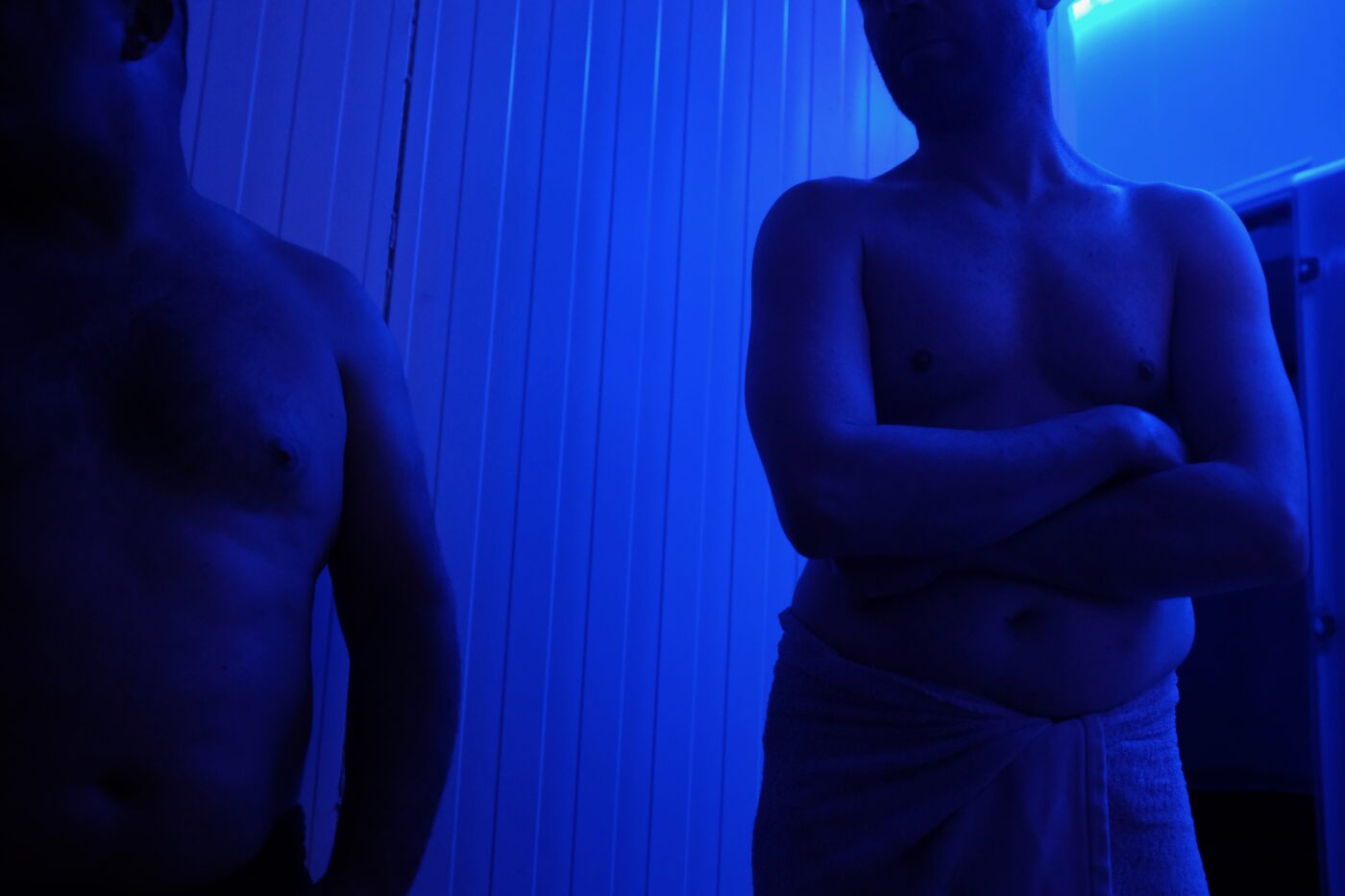
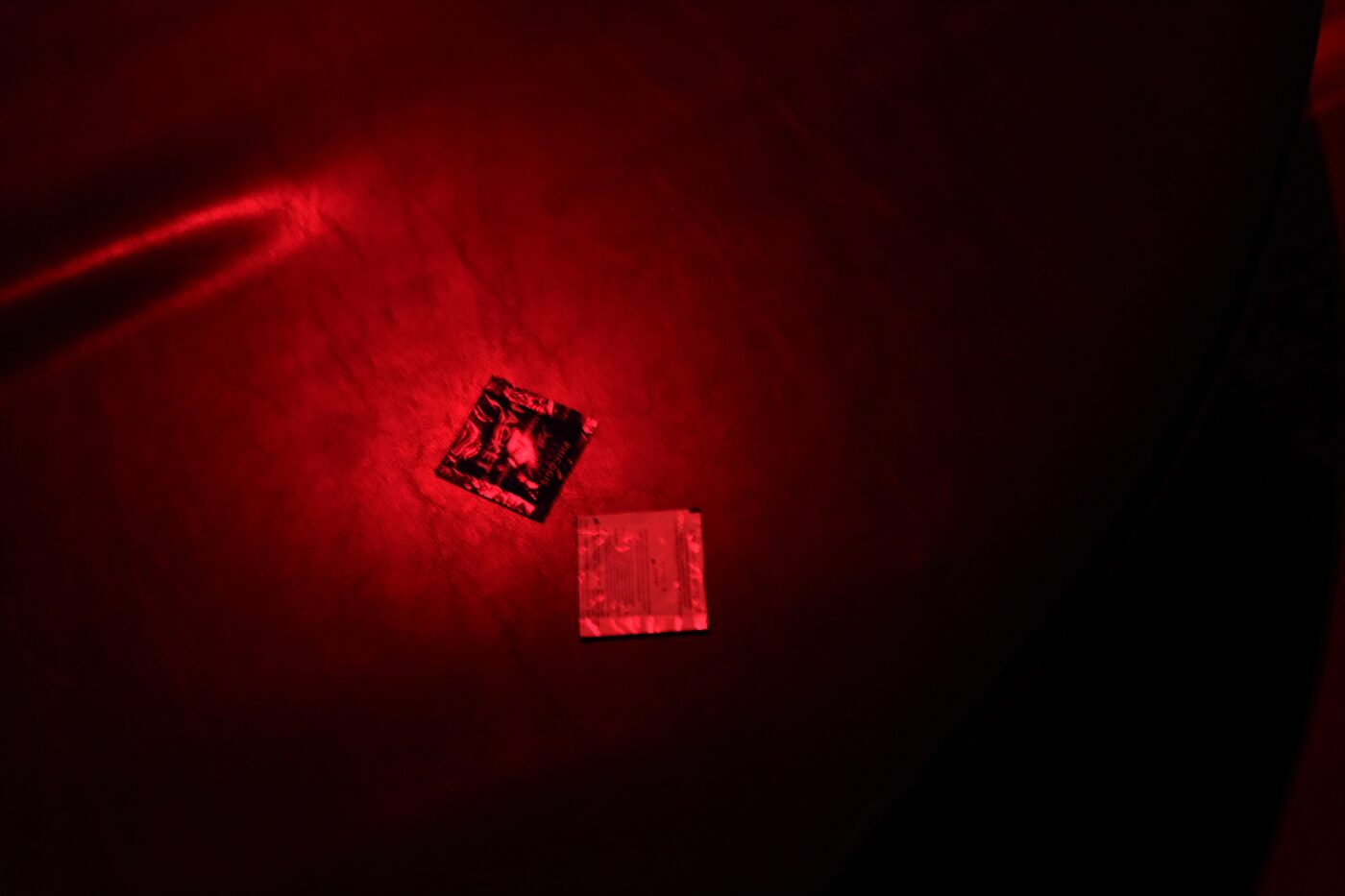
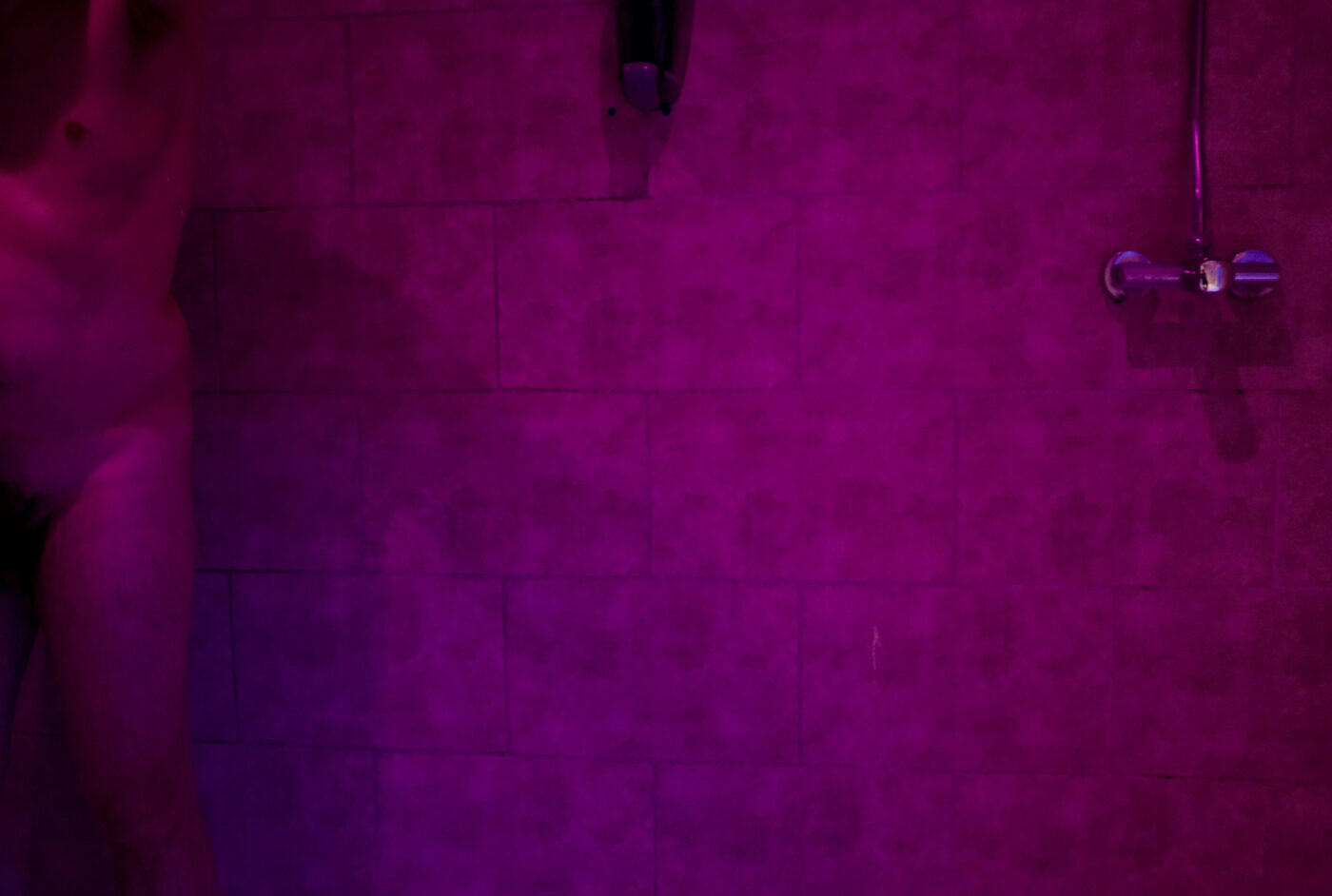
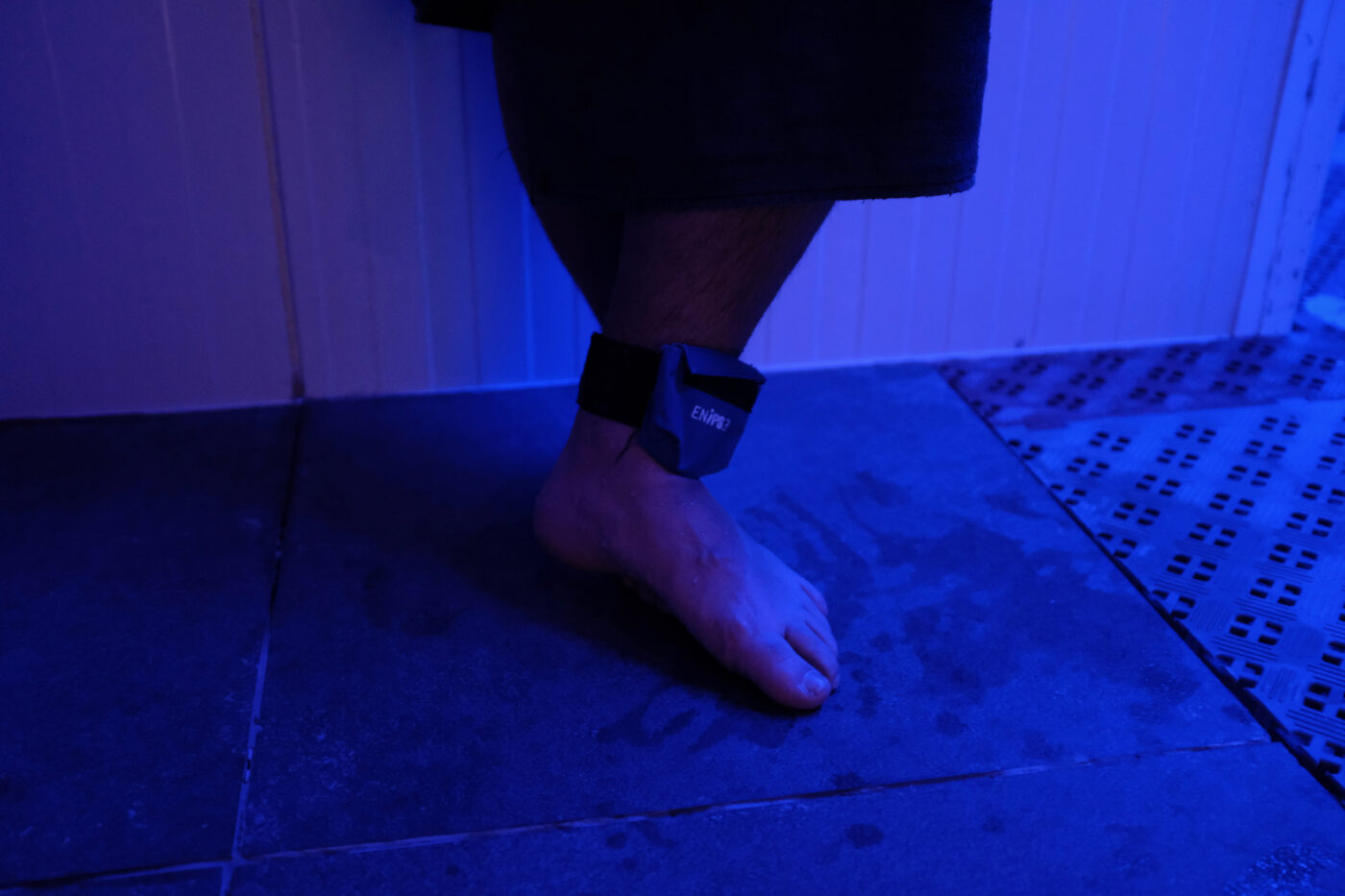
Deuxième nuit. Je suis confiante. La sauna m’attend. Je suis chez moi. Au chaud. Avec les filles sur les écrans. Je continue à faire quelques photos et me sens comme à Disney. Sans les manèges. Du coup vers le milieu de la nuit, c’est moins drôle. Un club libertin sans libertin, mon sujet commence à changer d’esprit. Je croise alors deux couples. Serviettes autour de la taille, ils descendent des étages et se dirigent vers les douches. L’ambiance est bleue. Je m’incruste. Ils sont plutôt cool et pas mal surpris de me voir si vêtue. La situation me fait sourire mais ne me déstabilise pas. J’explique pourquoi je suis là. Le premier couple est illégitime. Le monsieur ne souhaite pas être reconnu par sa femme sur une photo. Le deuxième, deux hommes, sont respectivement trop timide (…) et trop respectable sur Marseille. No photo. Pas grave, je fais la maligne. On pose nos fesses sur le skaï et on papote. J’arrive quand même à prendre quelques photos qui vont me donner envie d’en prendre d’autres. Mais pourquoi je me suis embarquée dans ces nuits ou à part y passer les 10 prochains mois, je ne pourrai shooter que des fouets et des capotes qui attendent ?
Au matin, je suis dépitée et j’ai sommeil. Antoine, le visionnaire, attend le plan B. No way. Suis coincée. J’aime ce lieu. « Le désir et la peur sont les critères essentiels dans votre démarche photographique. Trouver l’équilibre entre cette dualité de désir et de peur à la différence du gratuit, du confortable. » J’y suis.
Antoine d’Agata dit aussi qu’un projet doit être basé sur un choix de vie. Là c’est plus chaud. Car je n’ai pas fait comme choix de vie de passer toutes mes nuits dans un club libertin et pourtant c’est mon projet. Il correspond à ma quête de l’intime dans le sens ou j’aime être au plus près des personnes que je photographie. Au plus prés de leur vie. De la surface. Quelle qu’elle soit.
Troisième nuit. L’endroit et la situation commence à me fatiguer. Je trépigne. Frustrée d’avoir le lieu mais pas les gens qui vont avec. C’est une histoire presque drôle. Une blague.
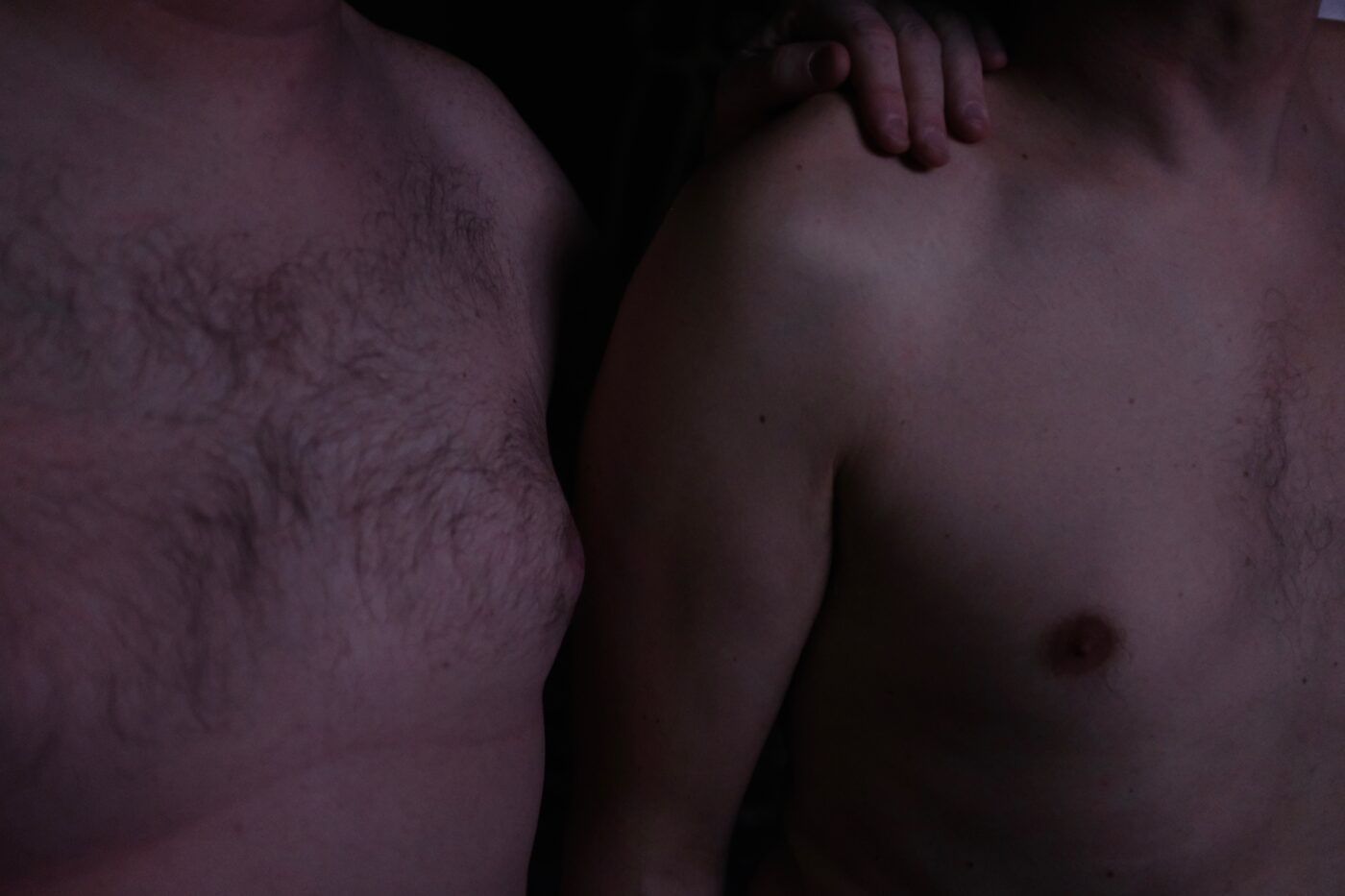
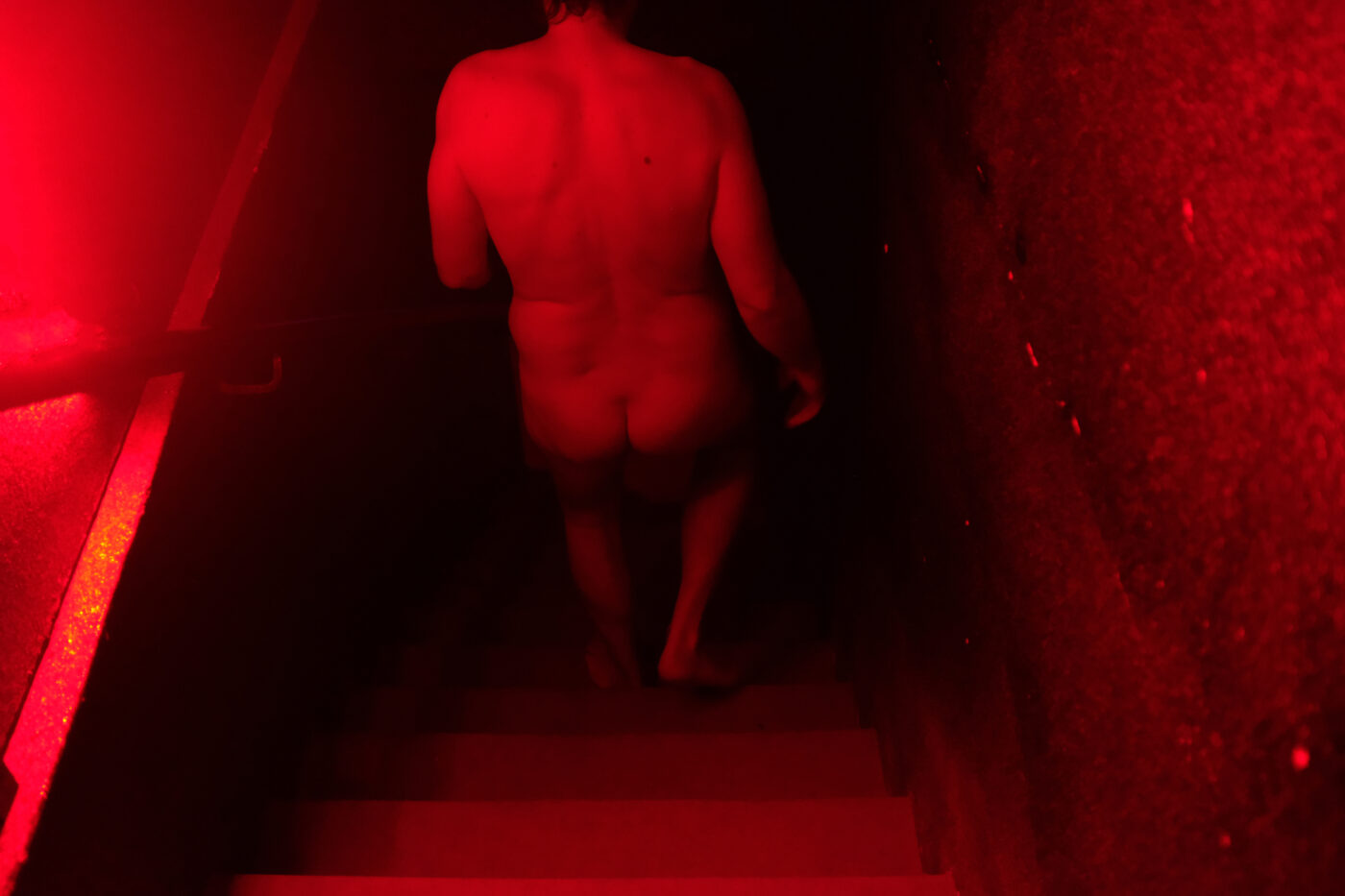
Damien et Florian sont jeunes, beaux et surtout pas que. Ils font partis du workshop. Nous ne nous quitterons pas beaucoup durant cette semaine. Ils sont avec moi cette nuit au club. Je ne leur laisse pas le choix, leur folie couplée à la mienne, ils déambulent nus en clients parfaits dans mon sauna libertin et j’essaie d’oublier que je connais ces merveilleux garçons pour prendre enfin des photos habitées. Au matin, pourtant je suis morose. Le sentiment de ne rien avoir produit de profond ou d’essentiel. Je triche pour aller au bout de mon histoire. Tout le contraire de ce que nous enseigne Antoine. Mon désir et le vide autour. Voilà ce que je montre. Mon désir et l’absence de désir des autres comme une métaphore presque parfaite à cette posture artistique douloureuse qui consiste à souhaiter être désirable.
Ma dernière nuit n’a pas eu lieu. Le club n’a pas ouvert. Fuck !
Merci à Antoine D’Agata pour nous avoir partagé tant de chose durant cette semaine.
Merci à Damien et Florian, sans qui…
Merci à Véronique, Agnès, Anna, Clémentine, Xavier, Jérémy, Graham. Vous êtes si talentueux. Merci à toutes l’équipe des Rencontres d’Arles. Arina est un ange.
Arles, Monday 8 April 2024, 10am. Antoine d’Agata is standing opposite me in the courtyard of the Maison des Arènes. I’m not late, I’m not dreaming, I’m here. And so is he. Now anything can happen. But this is what happened.
Spending a week with Antoine D’Agata means not getting much sleep. We know that, we’re there with him during the day and we leave with our cameras in the evening. The subject doesn’t matter, what counts is that by 9.30am the next day we’ve brought back some photos. But not just any photos. Not the ones that show how we feel, but the ones that show what we’ve done with our feelings, in this case, our confusion, our doubts, our frustrations, our anxieties about our objectives and their unlikely realisation given the context and the time we have. That’s what it feels like to be extreme. Not Antoine’s – his life is too romantic for us to even imagine following him – but our own limits. “Push, push, push… was our mantra for the week. So we tried, we tried, we had no choice but to push. It has to be said that no one thinks about disappointing Antoine d’Agata. Faced with this man who gives everything, it’s hard to give up. I’m beginning to understand why his photos are so powerful: he is whole. He’s a whole person. Even in this context of training, he lays himself bare. Revealing his life, talking about his work, without any filter, without trying to attract the light. The light is not on him. He puts it on us. We slowly understand that we won’t be leaving as we arrived.
“Photography is not a tool for showing but a tool for doing. It’s as much about looking at the outside world as it is about looking at ourselves. To act. To do. Existing with and not simply reporting on. Bringing it out is not enough.
I act. I want bodies. Skin and flesh. I want to be naked too. And what’s more, I imagine it’ll be easy. Arles. The south. That’s easy. The waiter at Le Mistral gives me the card for Le N., a libertine sauna that might be open enough to allow me to take photos. Too easy.
The sauna is close to the centre. I go there confident and hallucinate in this decor. The king- size beds in red and black skai, the dance floor with its pool dance bar, the jacuzzi, the tabby benches, the screens showing the same X-rated film over and over again, and the floors where I discover a jumble of massage tables, dark alcoves, chains on a cross, a huge armchair to sit in with your legs in the air… the whole thing is just what I had in mind. All that remained was for me to encounter bodies and flesh.
Taking advantage of the owner’s kindness, I shot the place until closing time. Being there with a camera is quite rare and I enjoy the red and blue lights. The decor is enough for me. We get to know each other.
In the morning, the photos are printed, confirming my initial impressions : with clients, I’ll be able to take some crazy pictures.
Antoine tells me that this sauna is not known for having many customers. I smile.
Second night. I’m confident. The sauna is waiting for me. I’m home. Warm. With the girls on the screens. I continue to take a few photos and feel like I’m at Disney. Without the rides. Which makes it less fun. A libertine club without libertines, my subject starts to change his mind. I pass two couples. Towels around their waists, they come downstairs and head for the showers. The atmosphere is blue. I crash in. They’re pretty cool and quite surprised to see me dressed like this. The situation makes me smile but doesn’t faze me. I explain why I’m there. The first couple are illegitimate. The man didn’t want his wife to recognise him in a photo. The second,
two men, are respectively too shy (…) and too respectable in Marseille. No photo. It doesn’t matter, I’m being clever. We put our bums on the leatherette and chat. I still managed to take a few photos that made me want to take more. But why have I embarked on these nights where, apart from spending the next 10 months there, all I’ll be able to shoot are whips and waiting condoms?
In the morning, I’m depressed and sleepy. Antoine, the visionary, is waiting for plan B. No way? I’m stuck. I love this place. “Desire and fear are the essential criteria in your photographic approach. To find the balance between this duality of desire and fear as opposed to the gratuitous, the comfortable.” I’m in.
Antoine d’Agata also says that a project should be based on a life choice. Here it’s hotter. Because I didn’t make a life choice to spend every night in a libertine club, and yet this is my project. It corresponds to my quest for intimacy in the sense that I like to be as close as possible to the people I photograph. As close as possible to their lives. On the surface. Whatever that may be.
Third night. I’m getting tired of the place and the situation. I’m stamping my feet. Frustrated to have the place but not the people that go with it. It’s an almost funny story. Almost a joke.
Damien and Florian are young, handsome and not just that. They are part of the workshop. We won’t be leaving each other much this week. They’re with me tonight at the club. I leave them no choice, their madness coupled with mine, they wander around naked as perfect customers in my libertine sauna and I try to forget that I know these wonderful boys to finally take some photos with people on them. In the morning, though, I’m morose. The feeling that I haven’t produced anything profound or essential. I’m cheating to get to the end of my story. Just the opposite of what Antoine teaches us. My desire and the emptiness around it. That’s what I’m showing. My desire and the absence of desire in others is an almost perfect metaphor for the painful artistic posture of wishing to be desirable.
My last night didn’t happen. The club didn’t open. Fuck !
Thank you to Antoine D’Agata for sharing so much with us during this week.
Thank you to Damien and Florian, without whom…
Thank you to Véronique, Agnès, Anna, Clémentine, Xavier, Jérémy, Graham. You are so talented.
Thank you to the whole Rencontres d’Arles team. Arina is an angel.
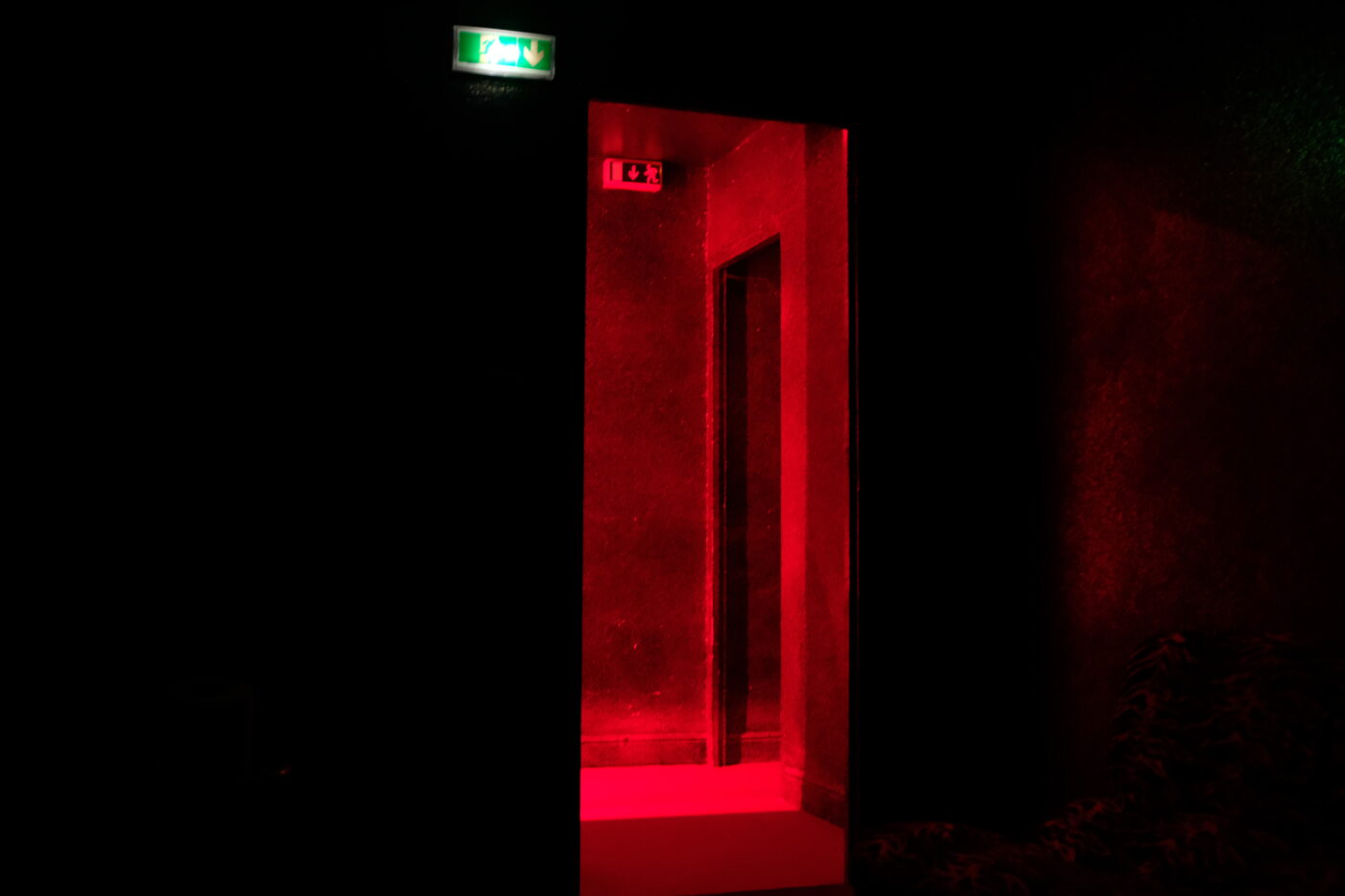
Journal Photographique Décembre Janvier Février
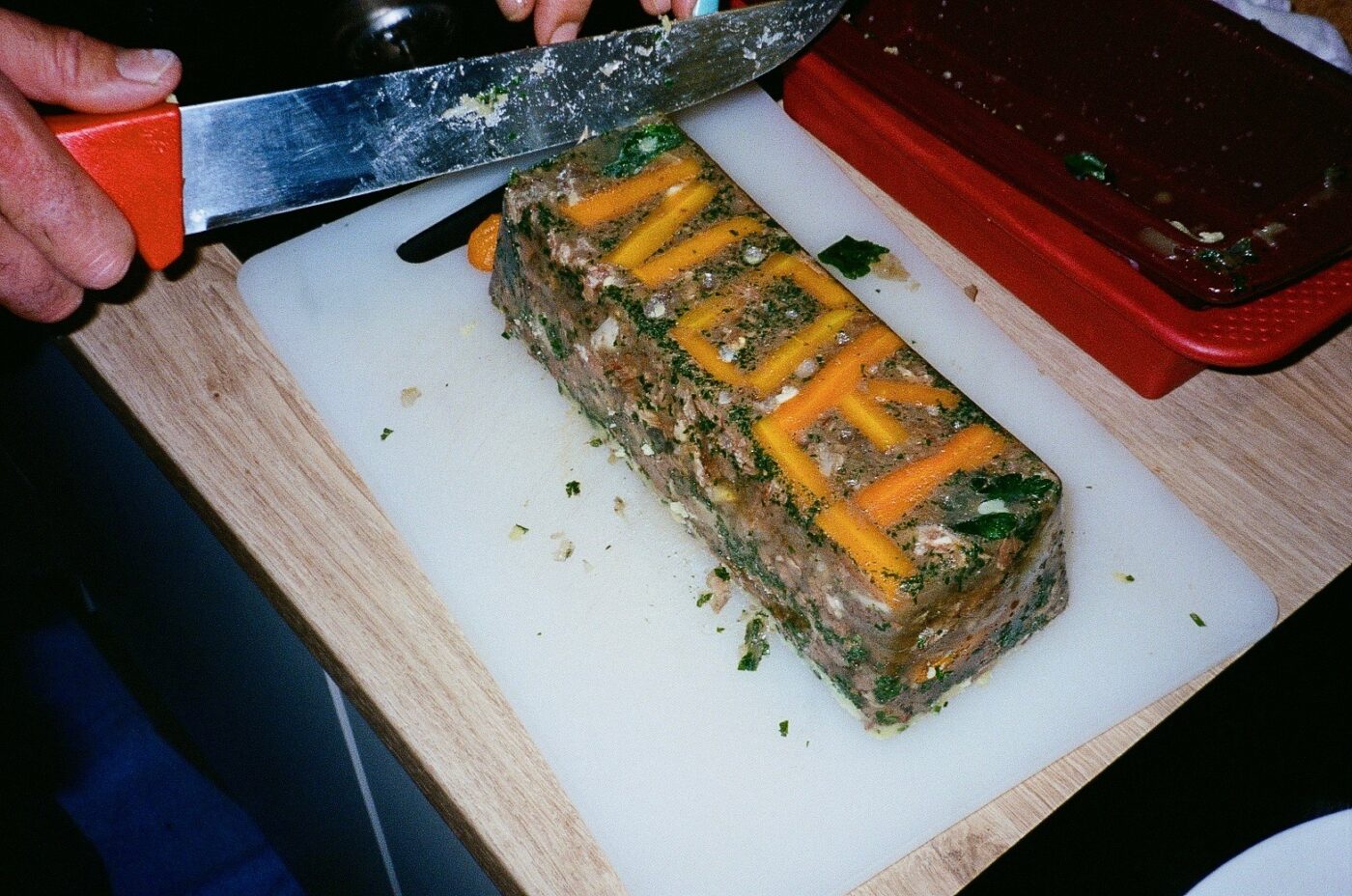
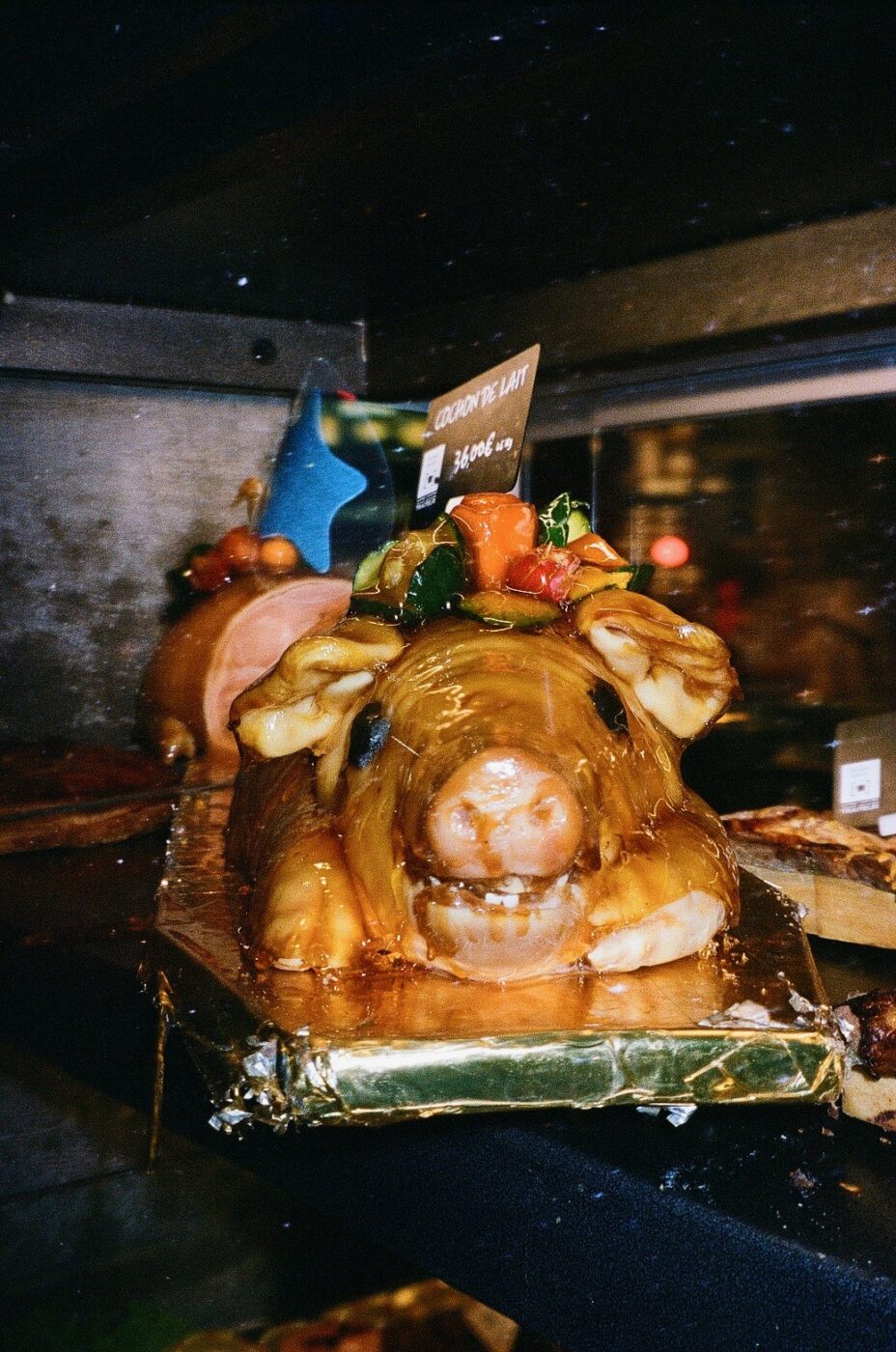
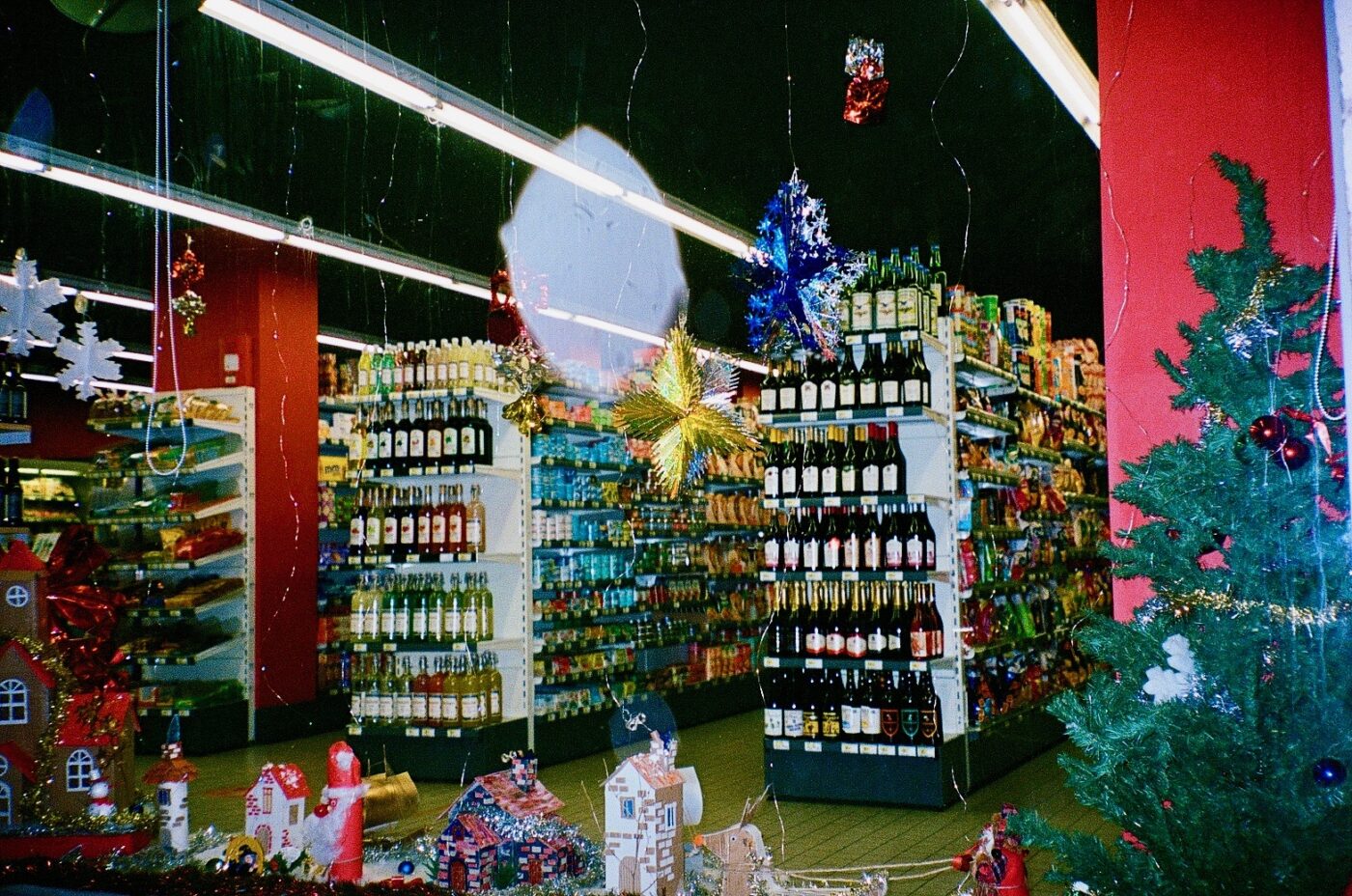
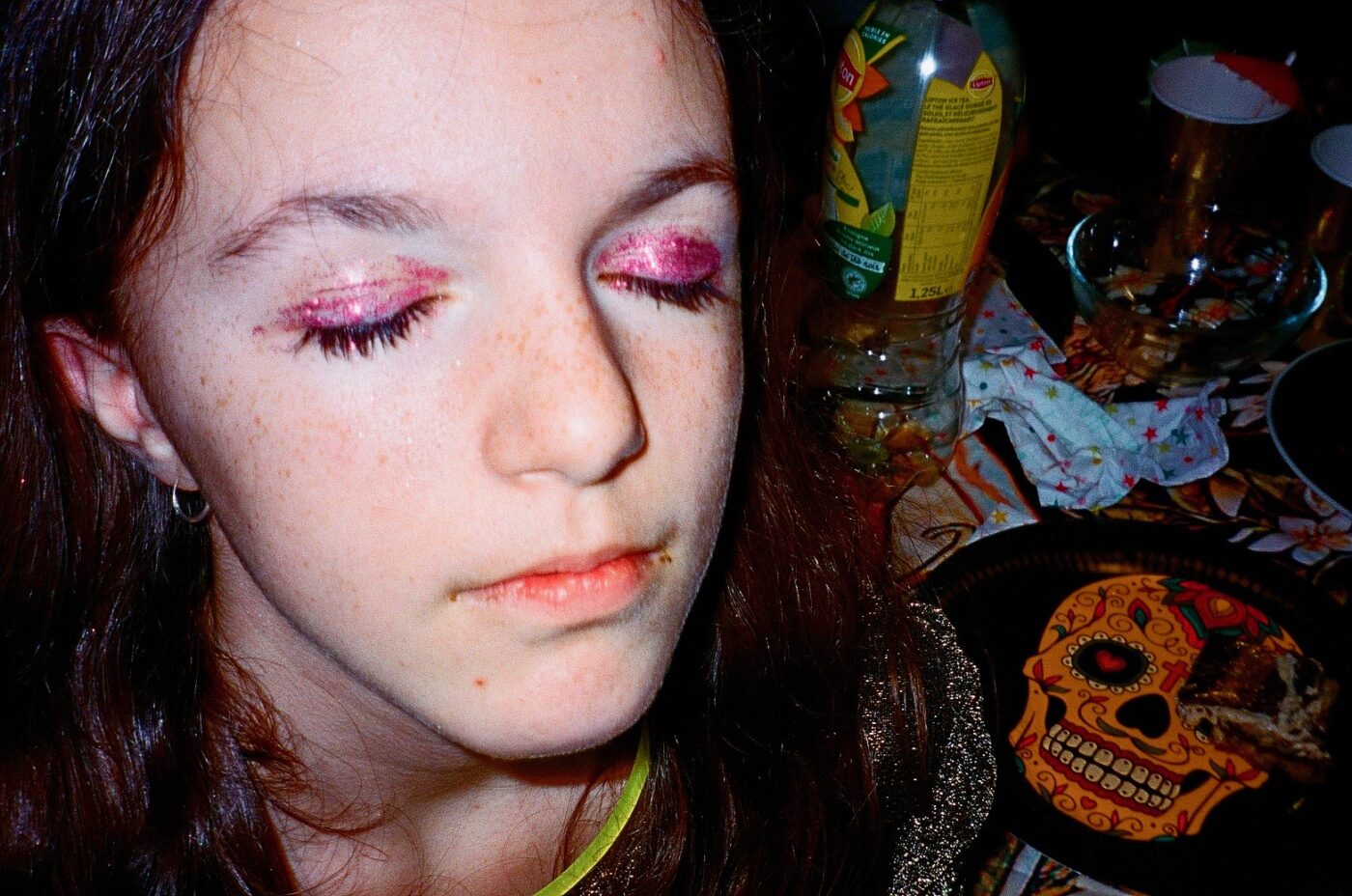
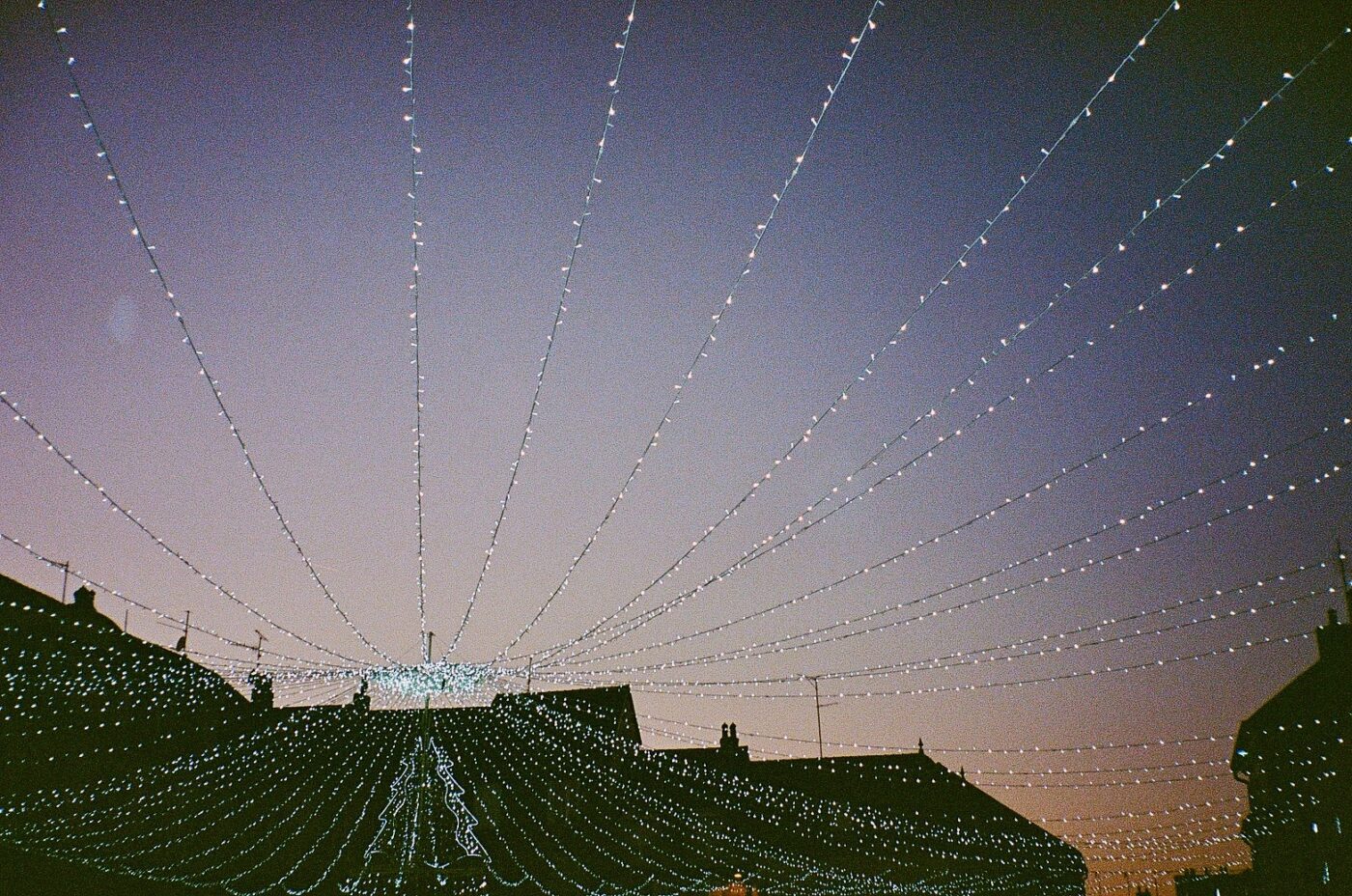
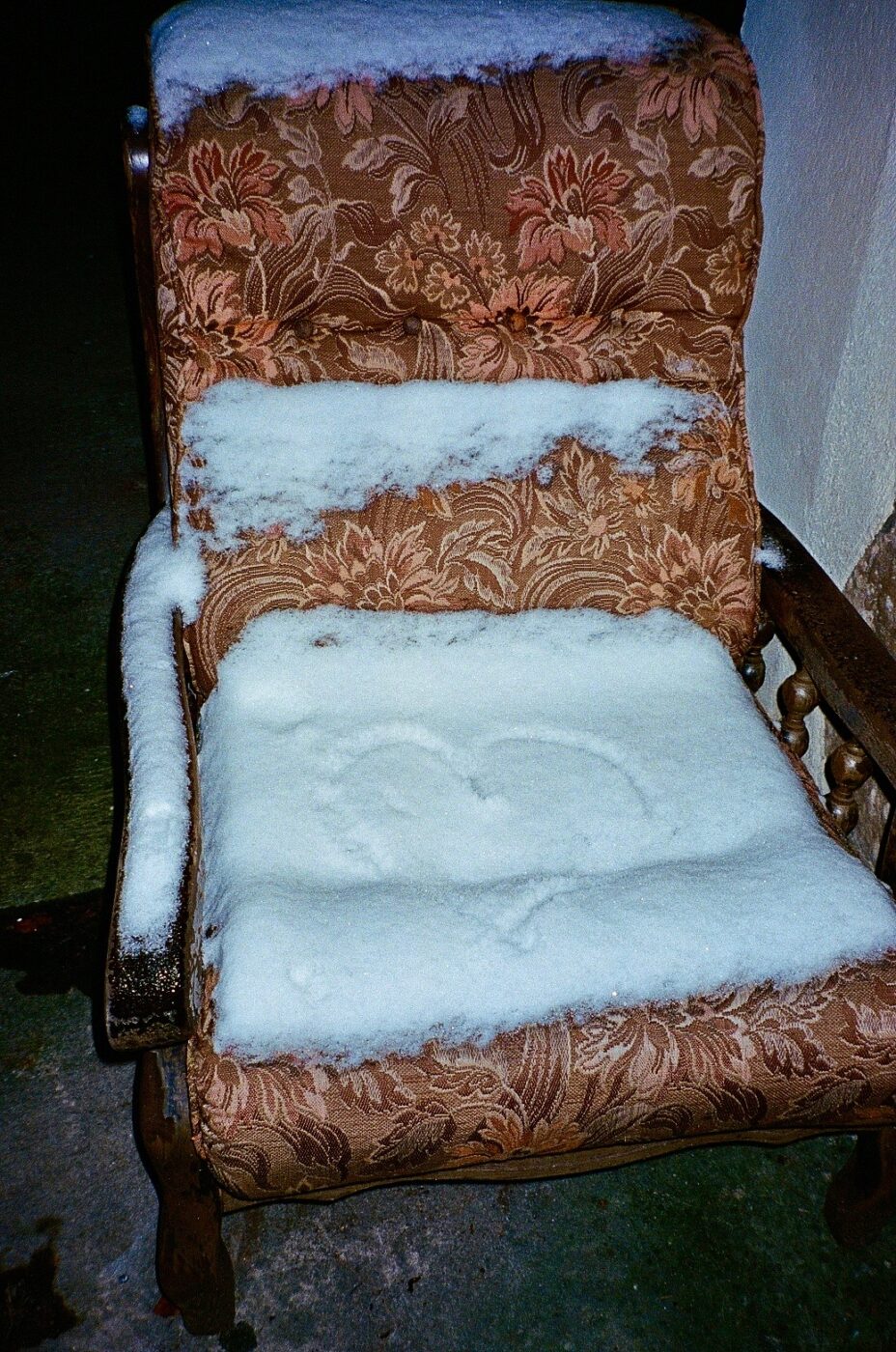
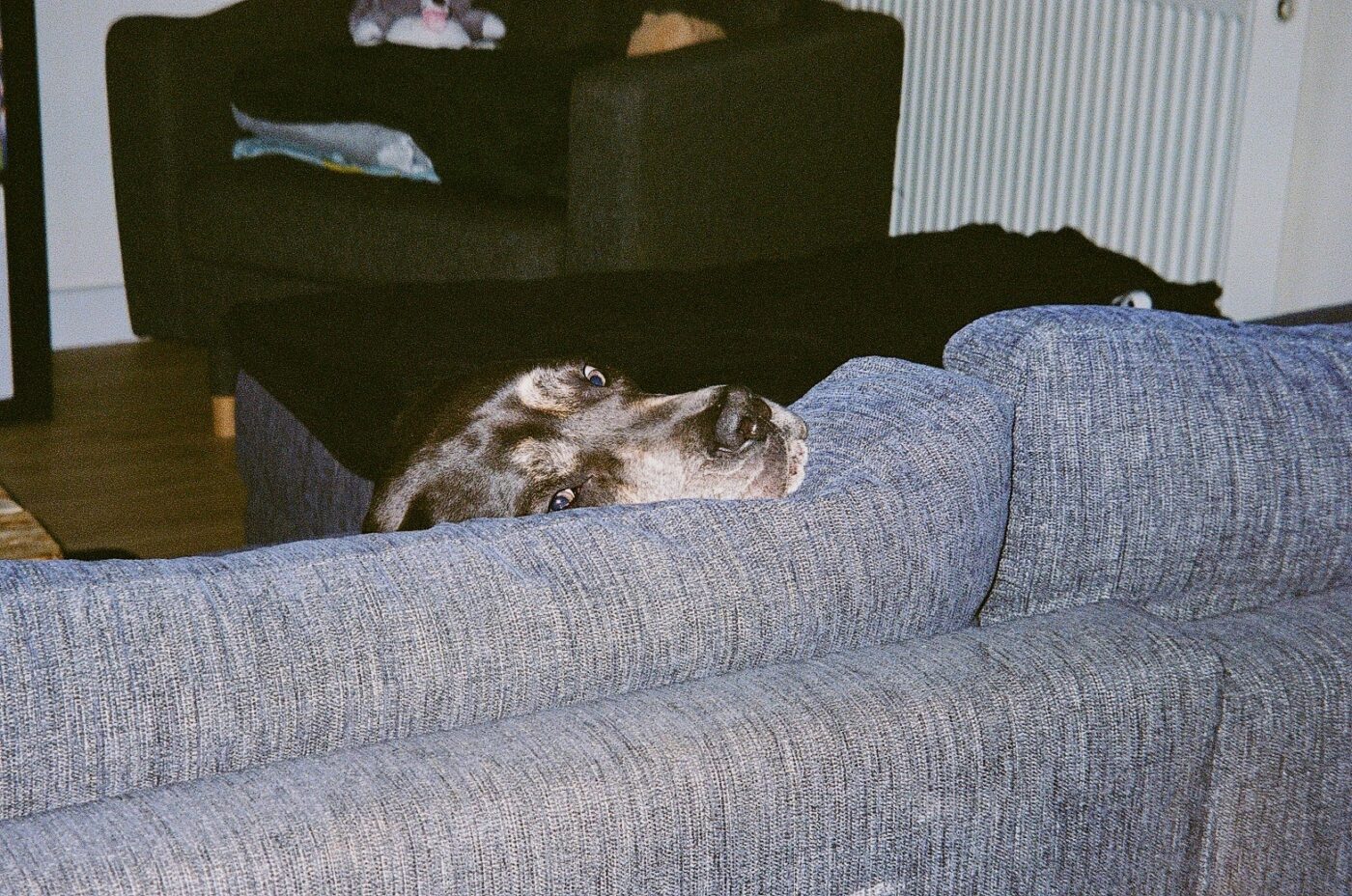
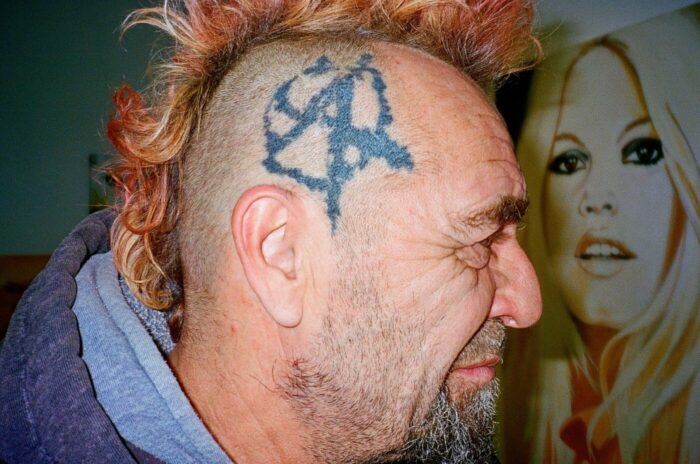
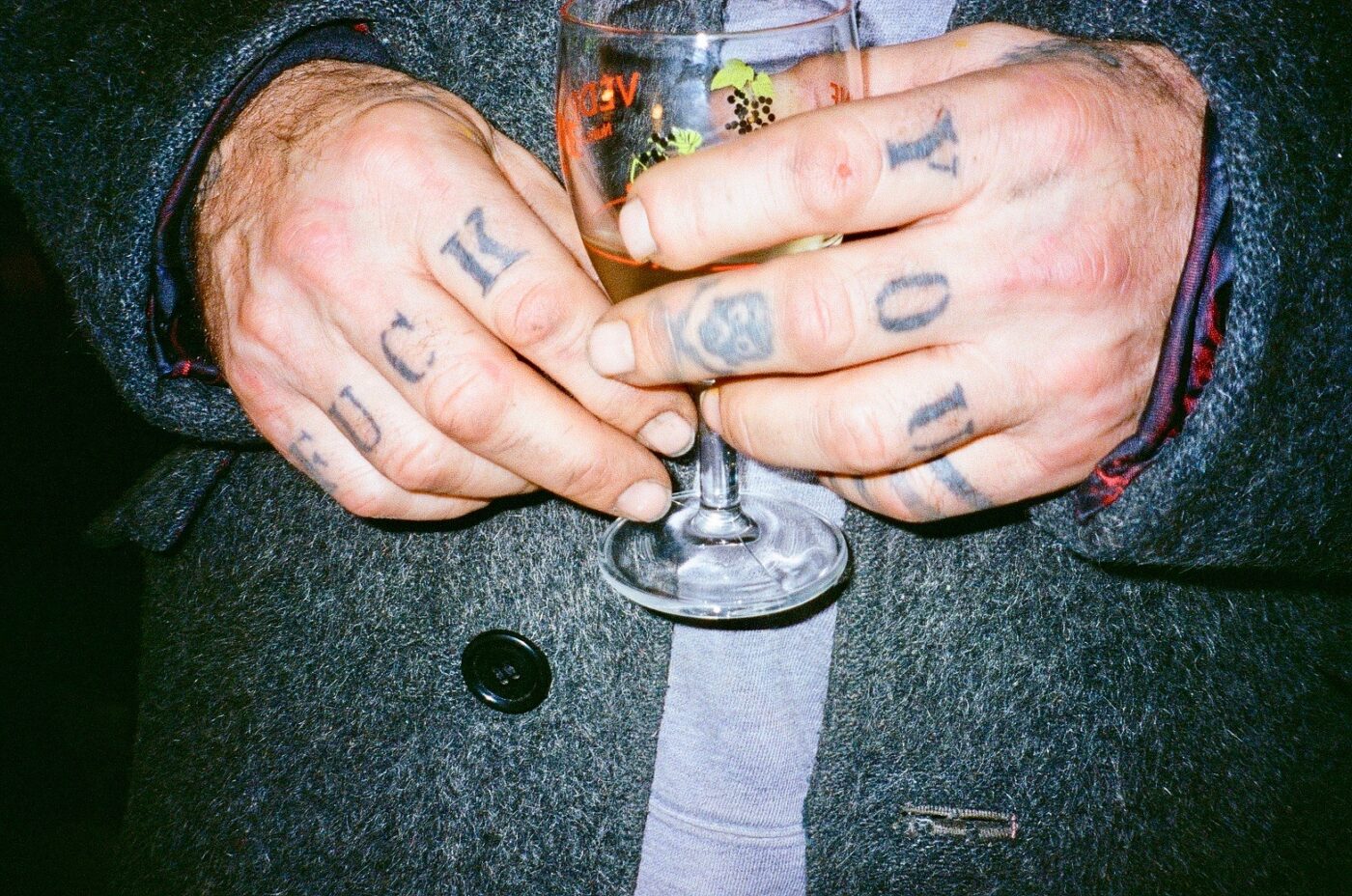
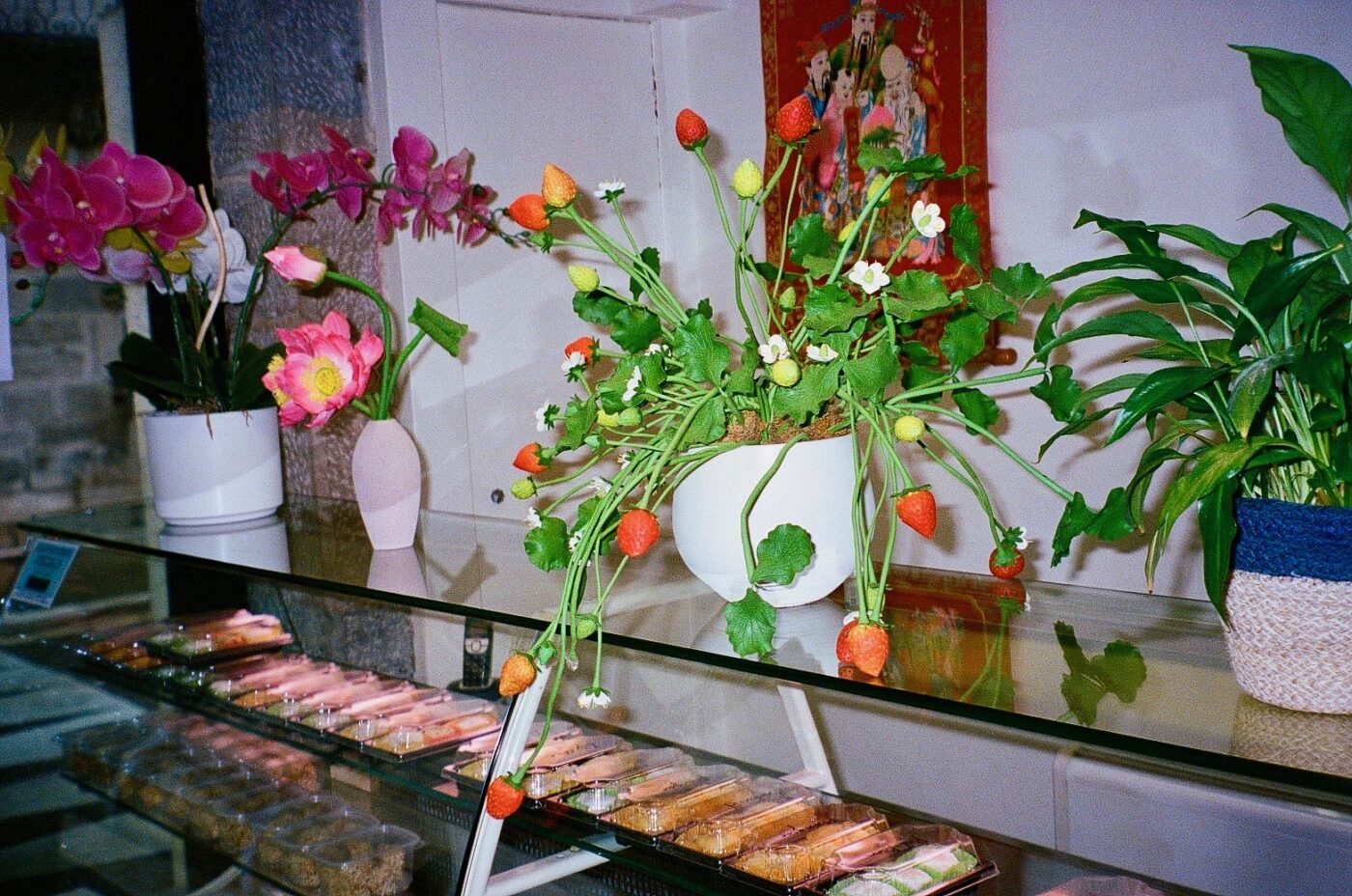
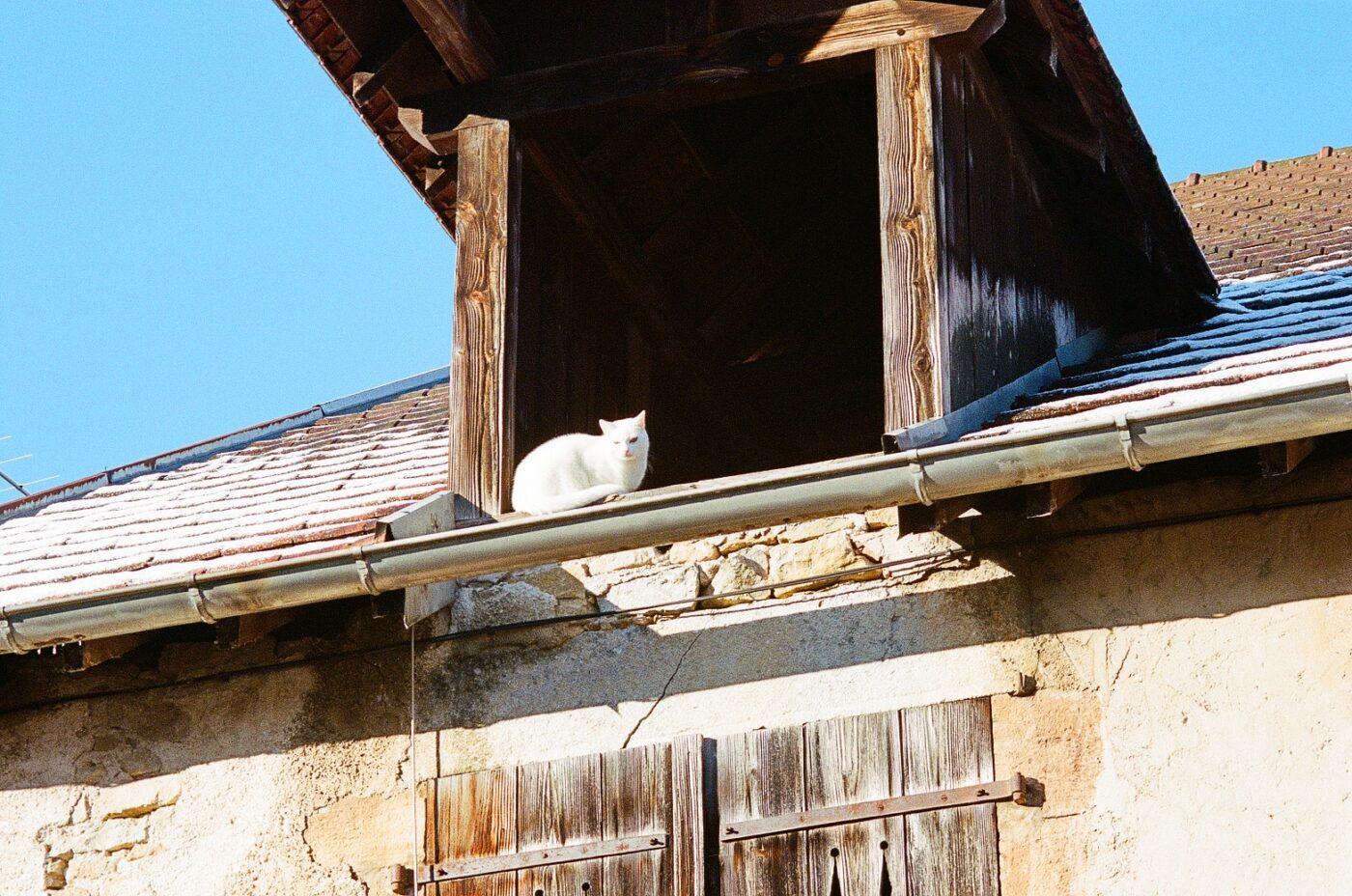
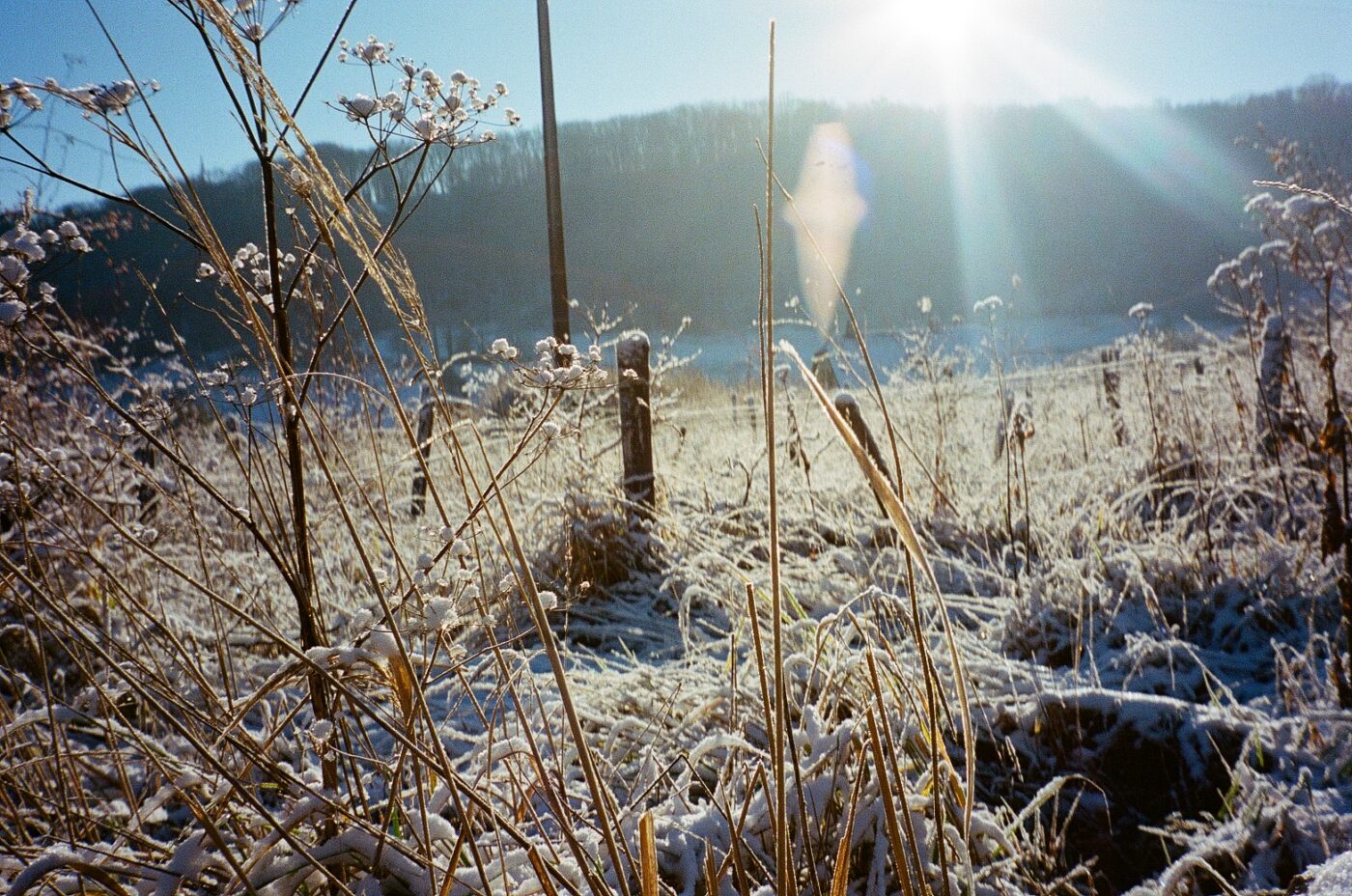
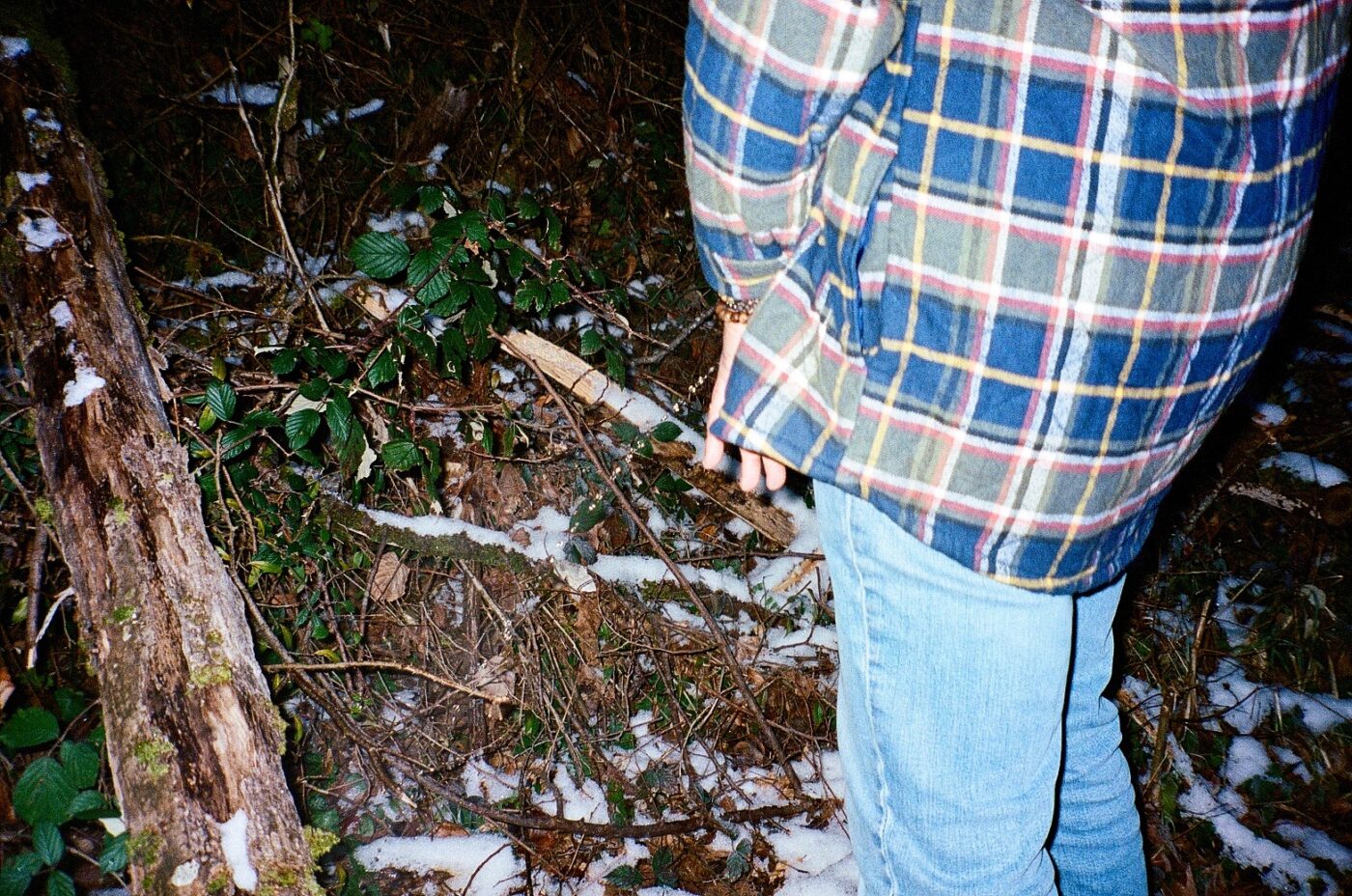
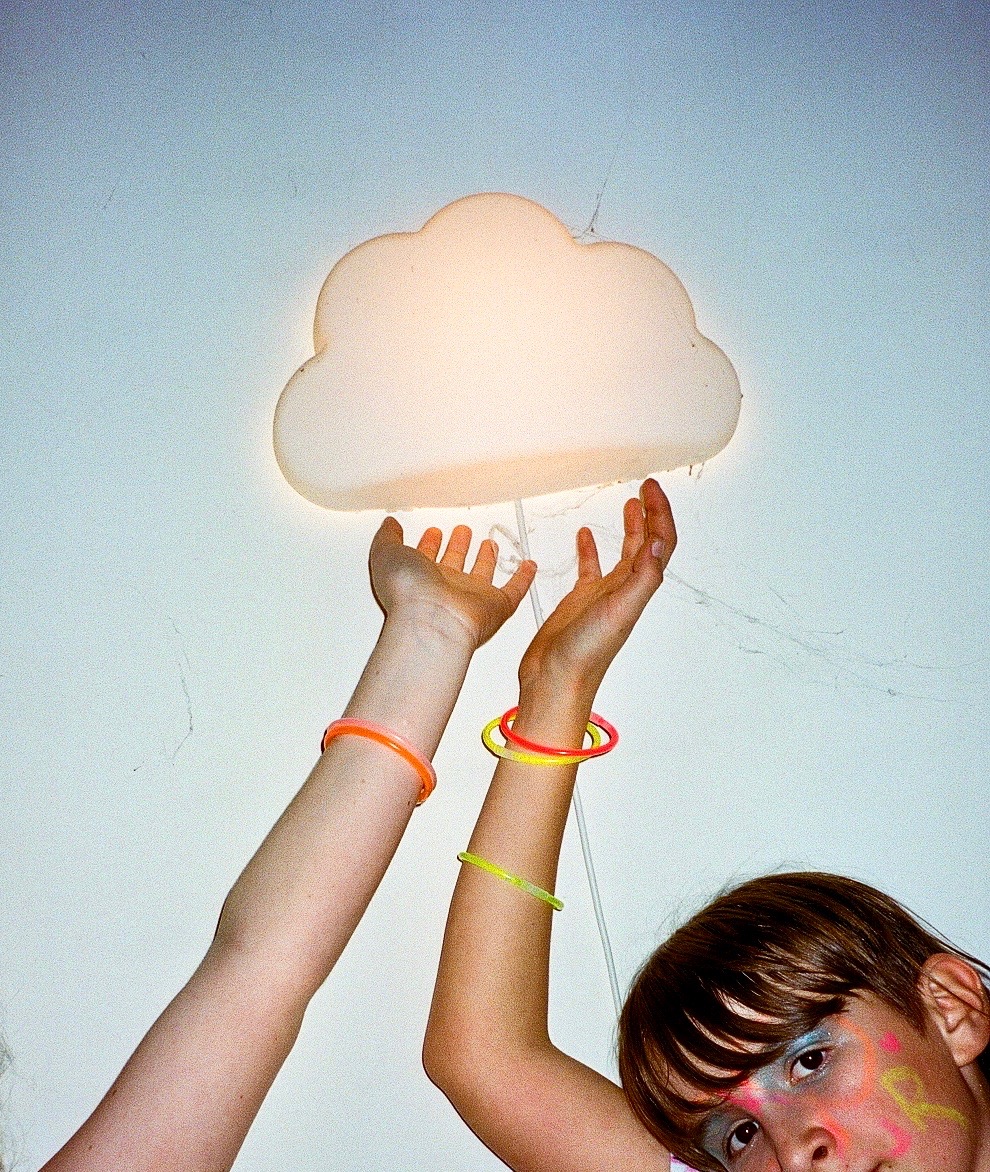
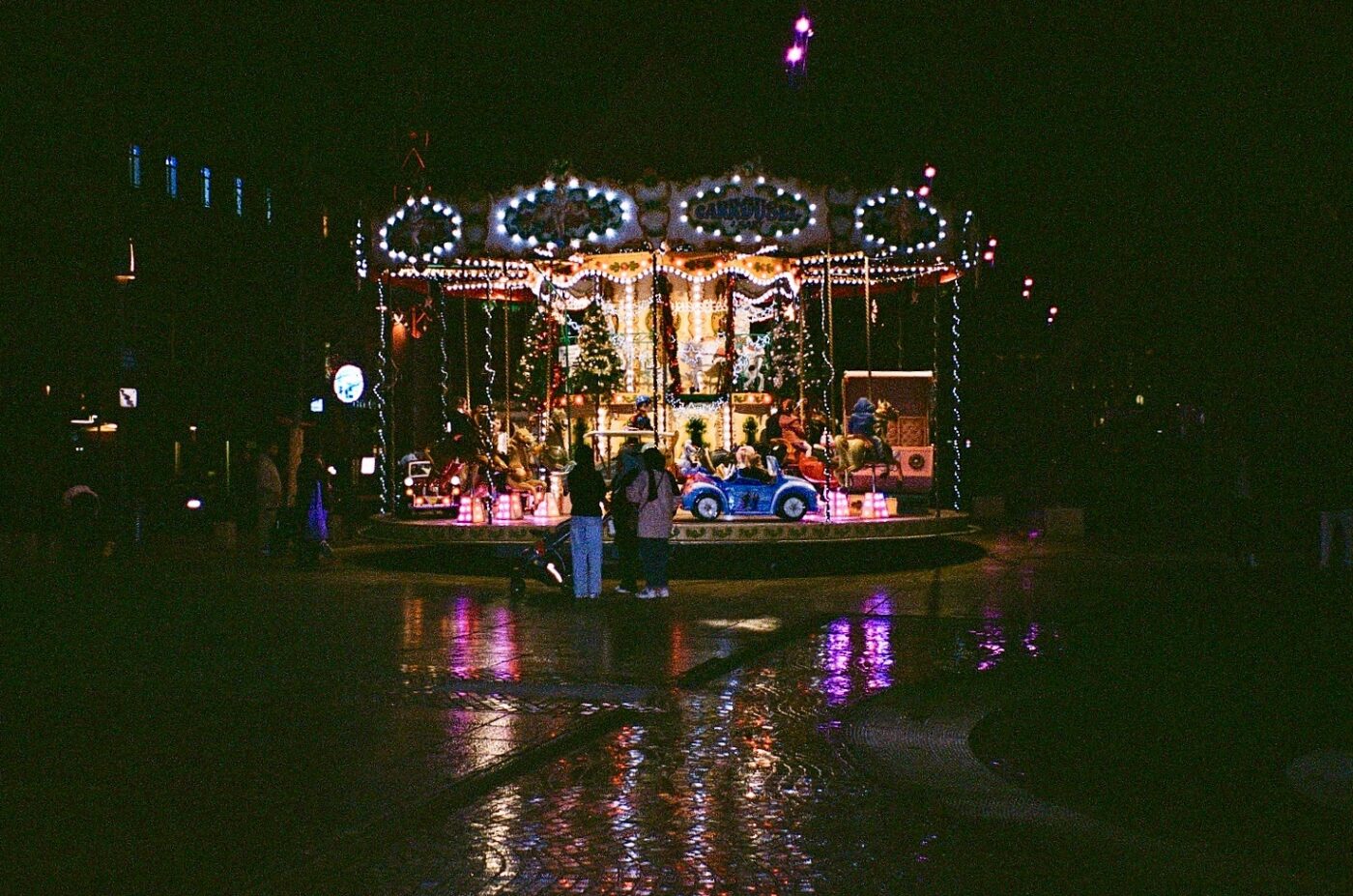
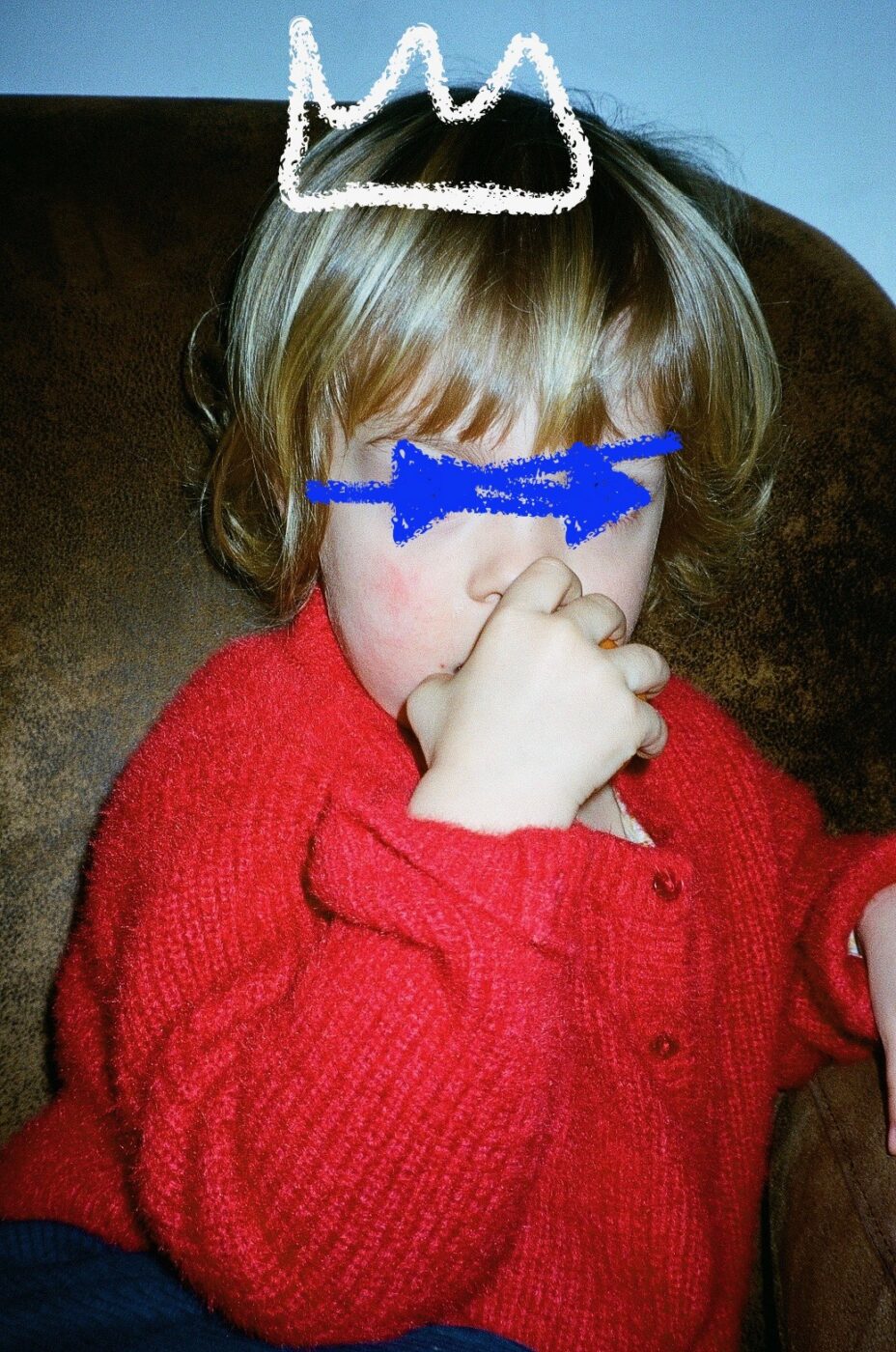
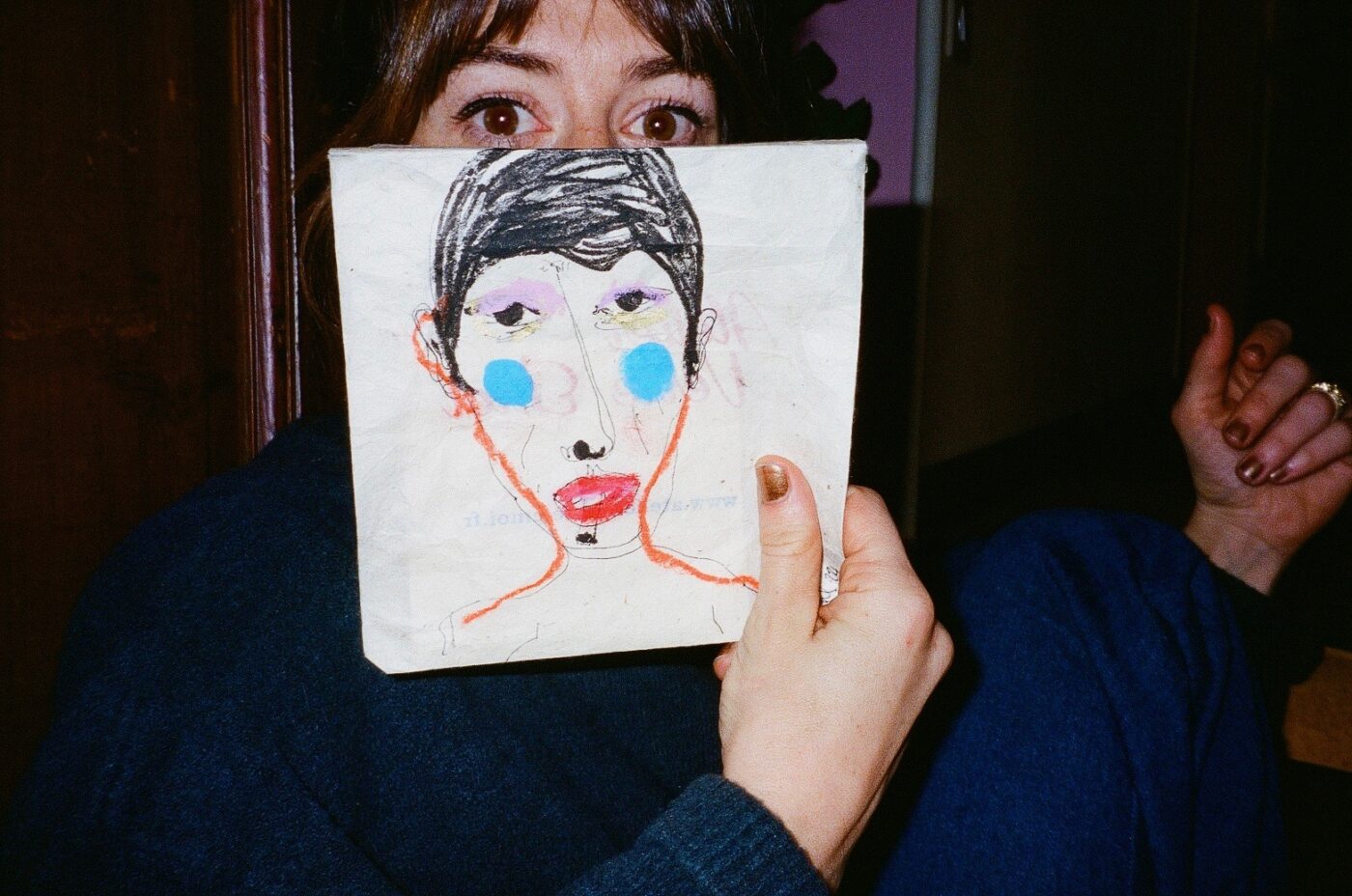
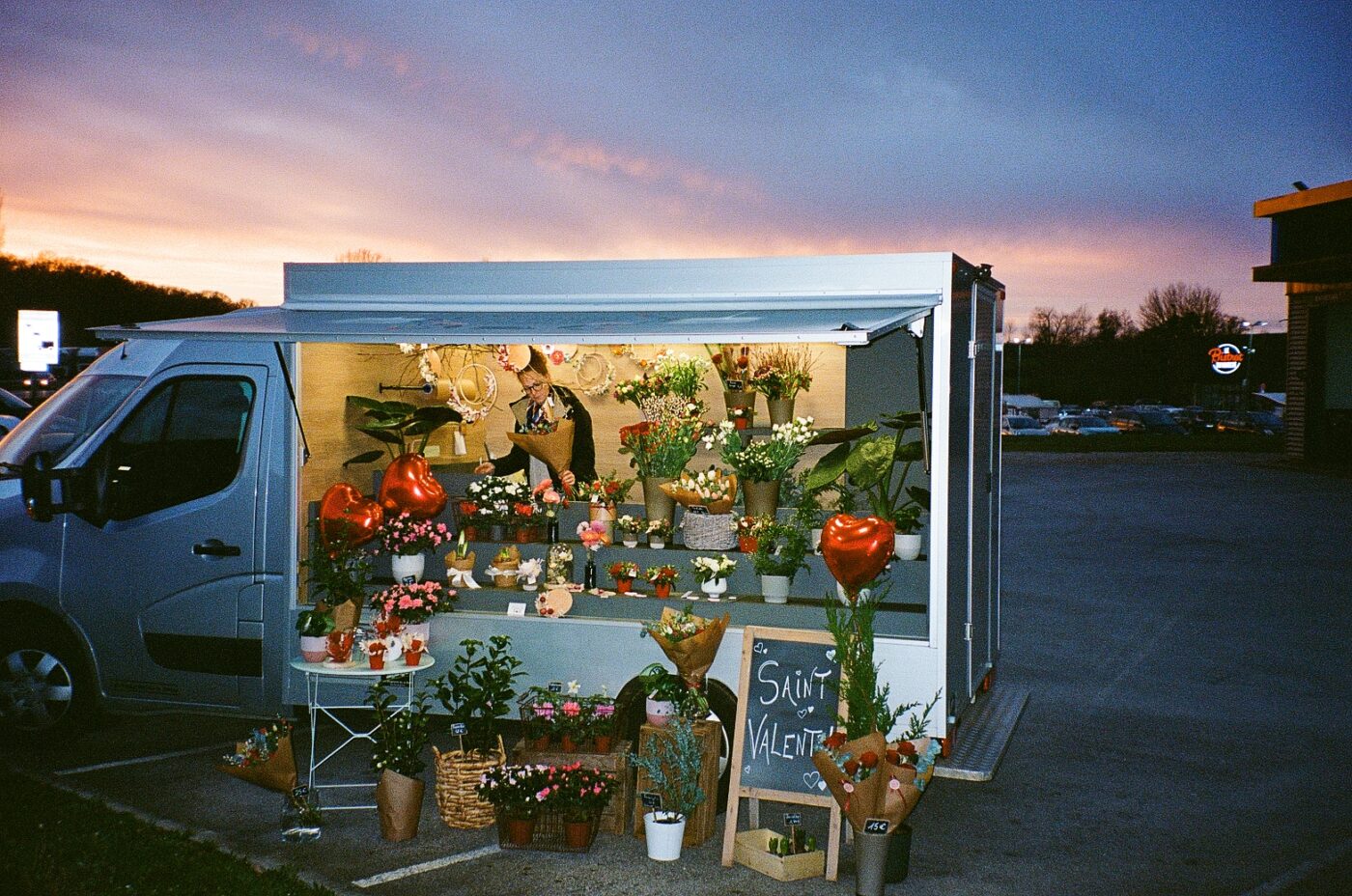
Journal Photographique Novembre
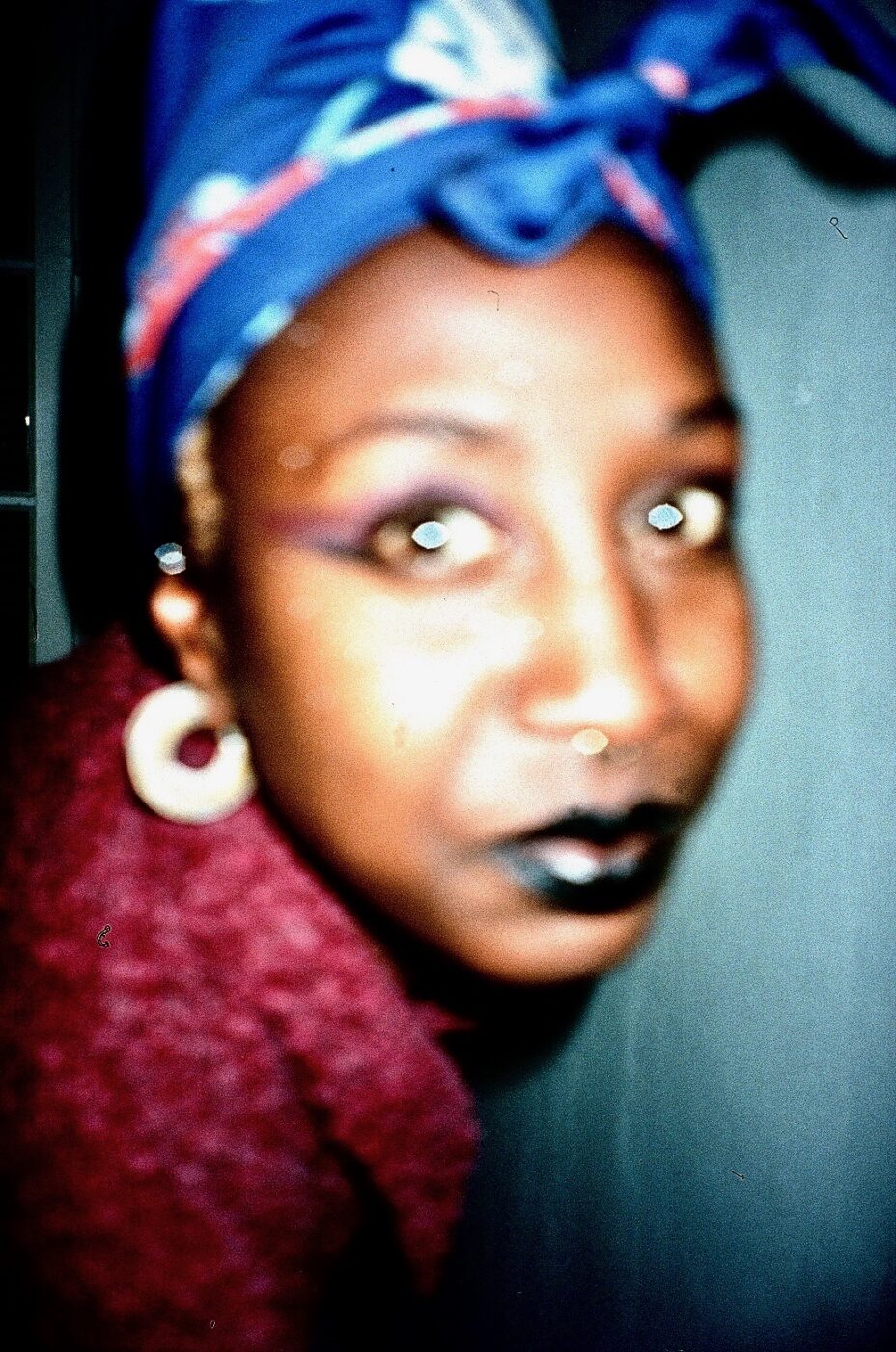
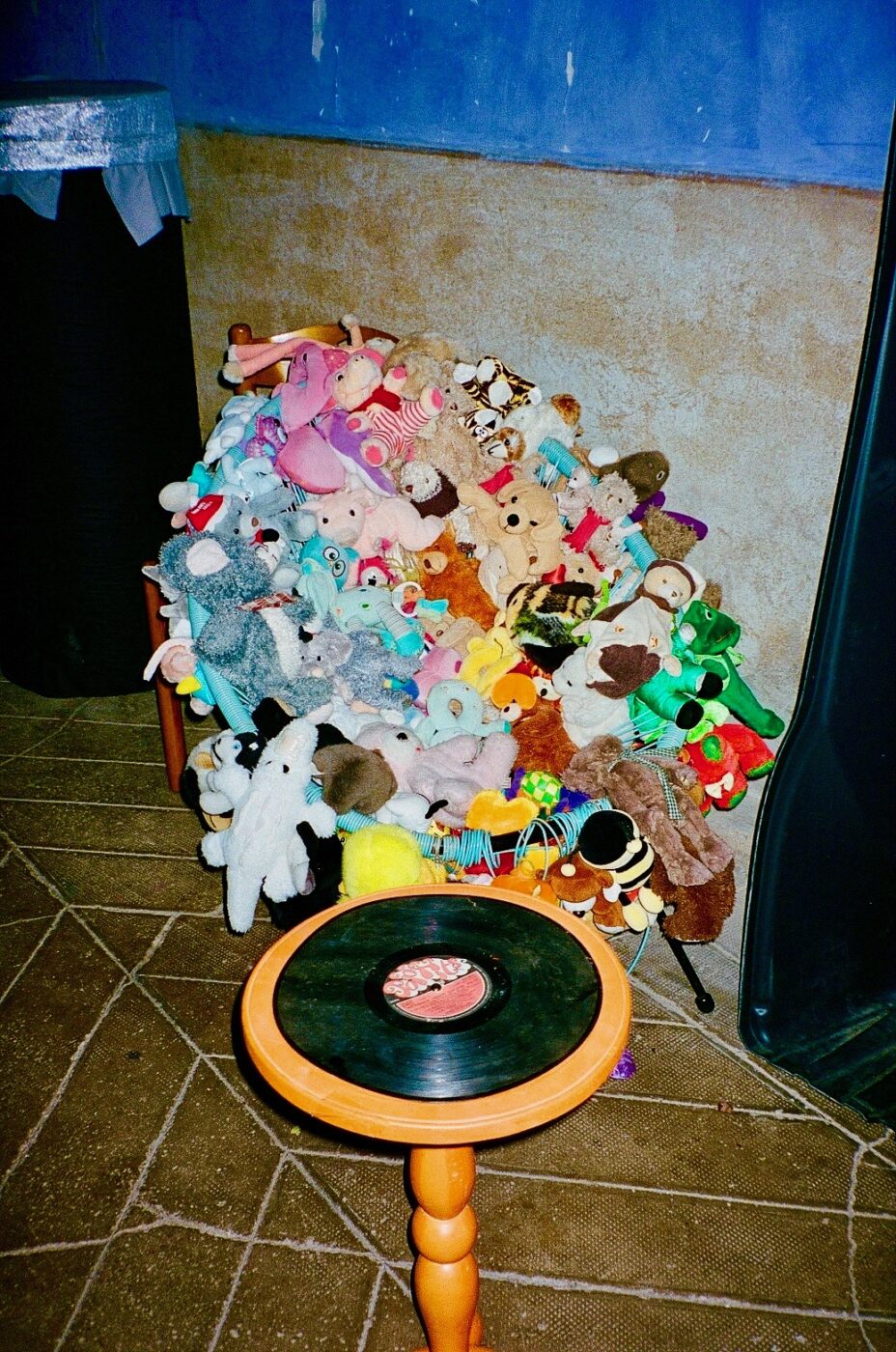
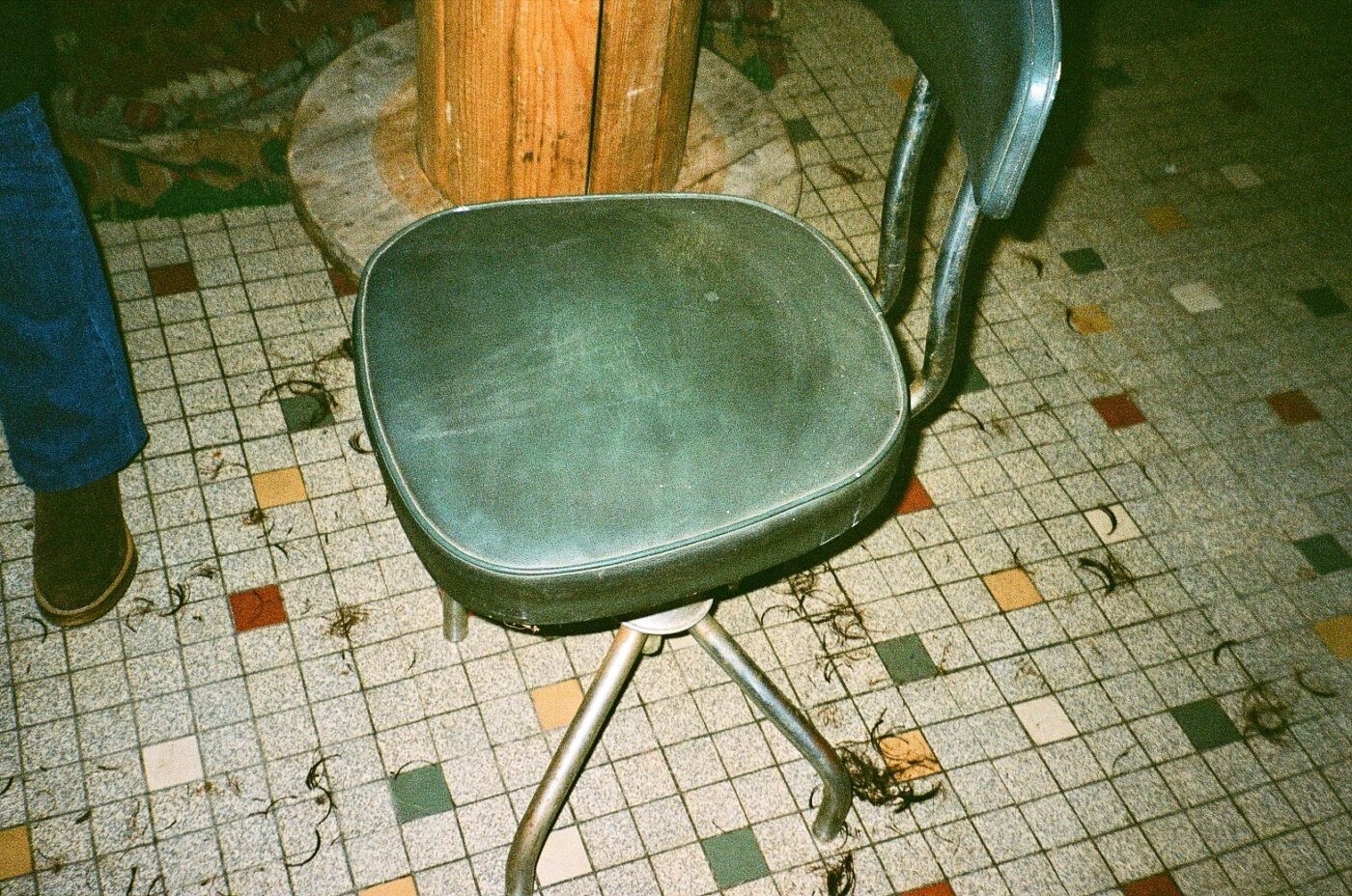
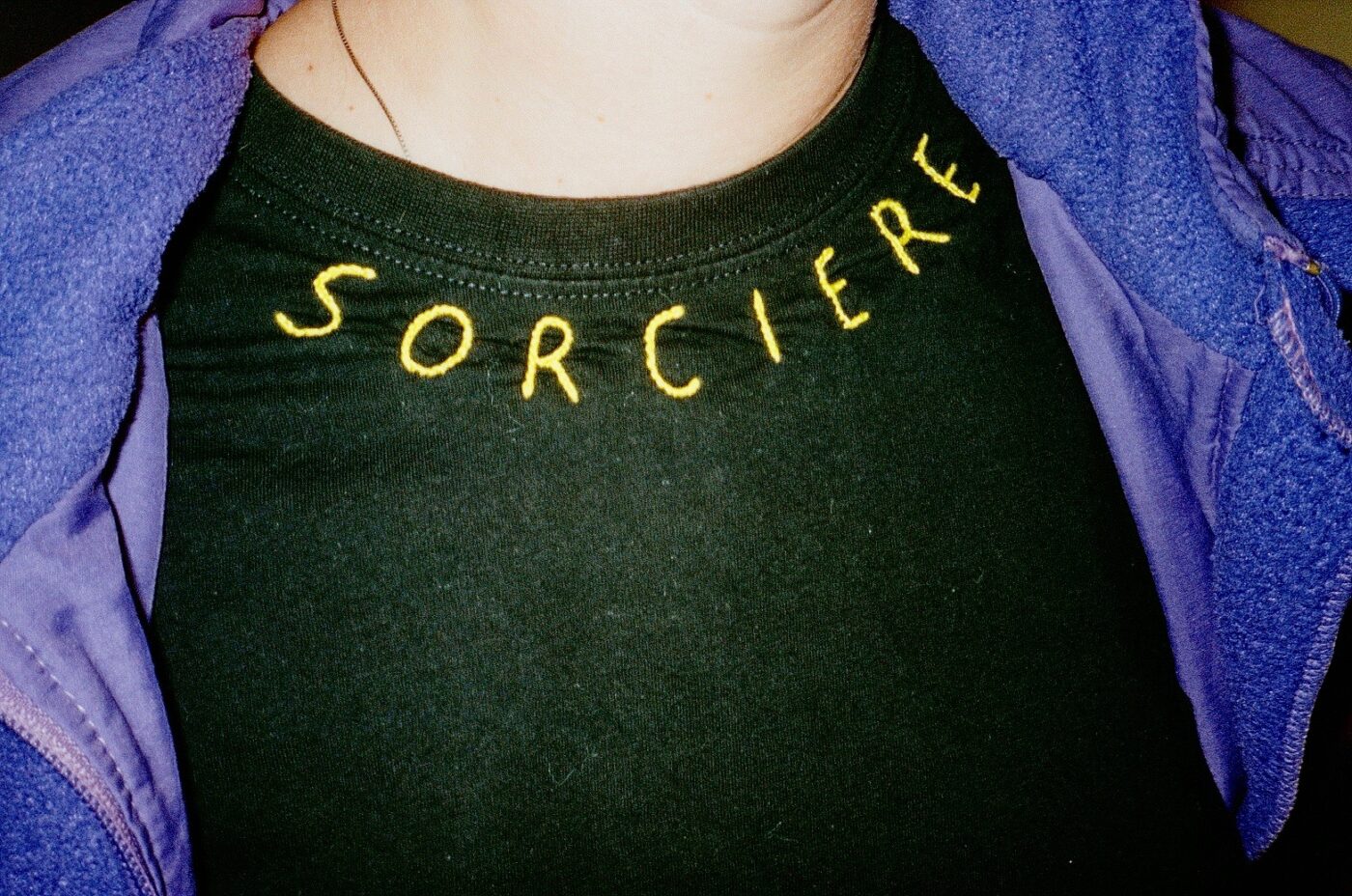
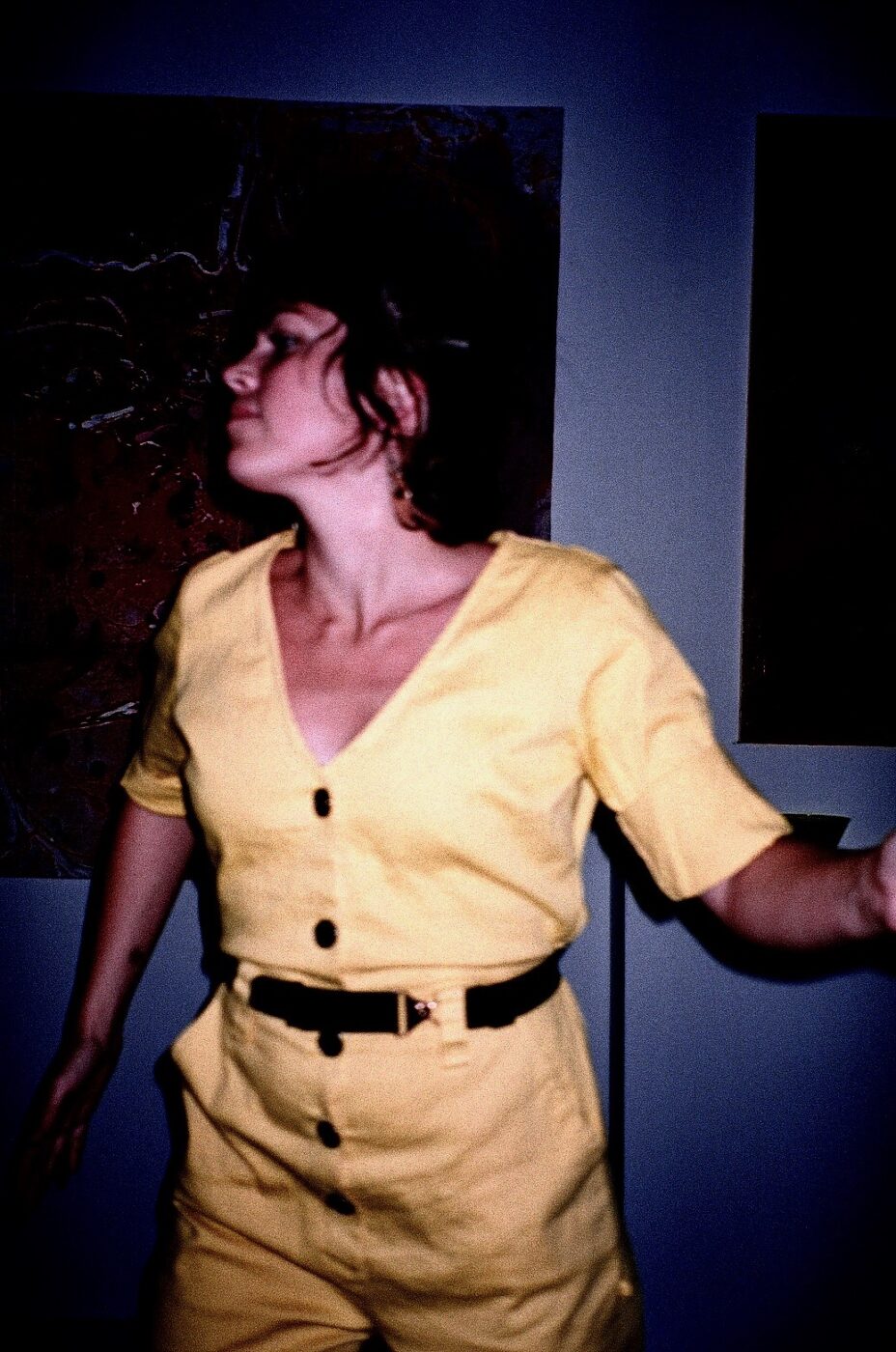
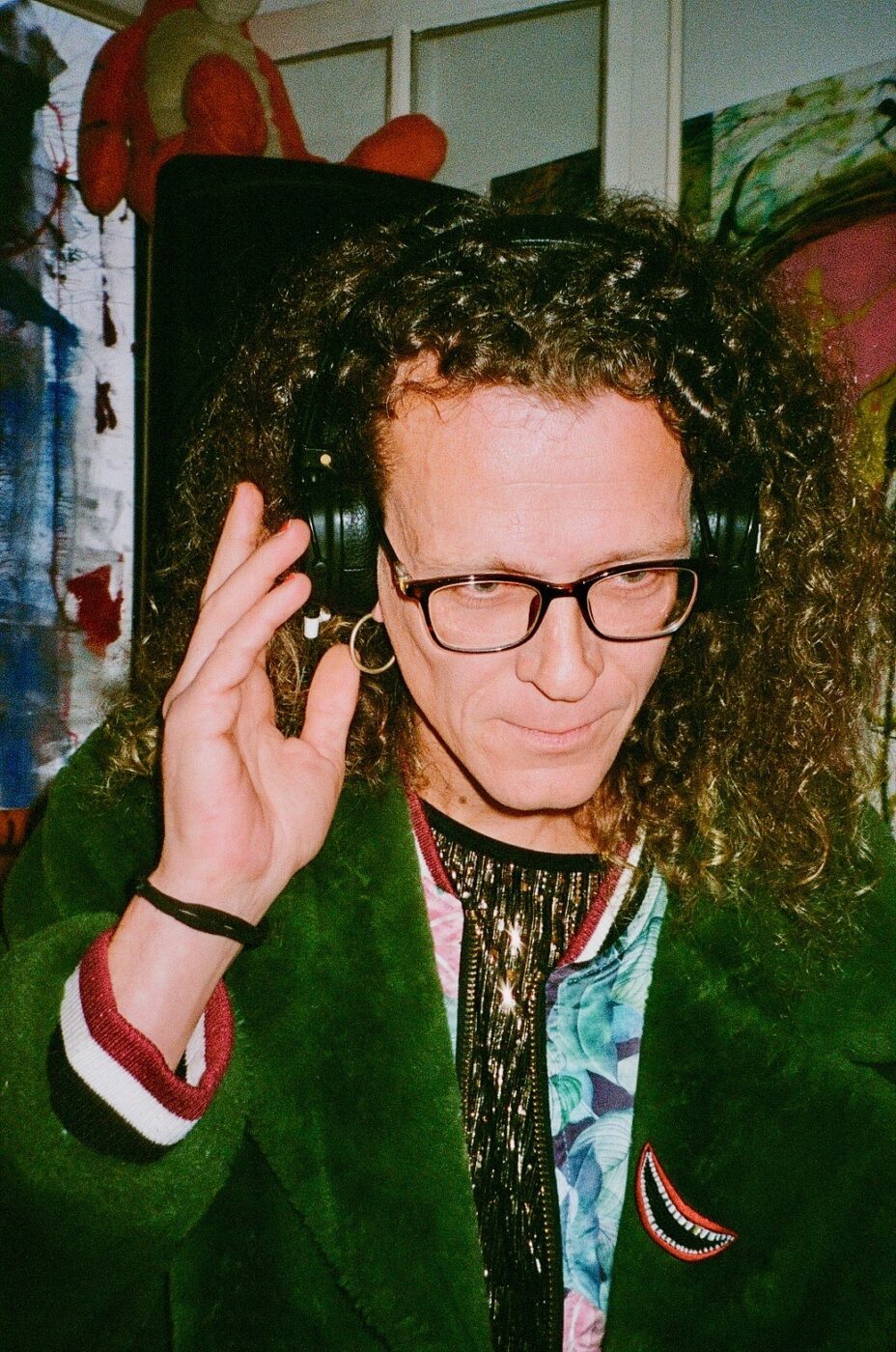
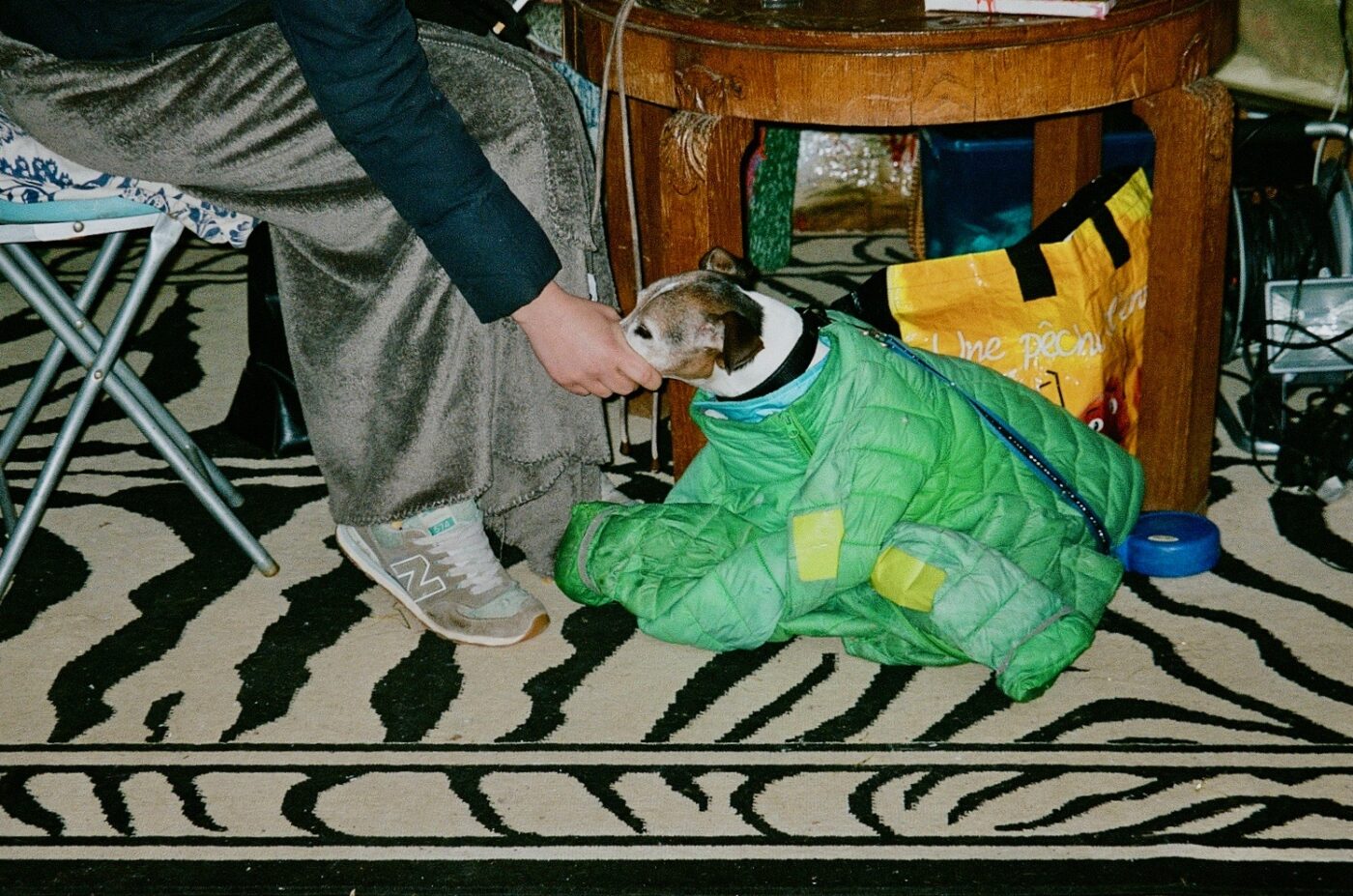
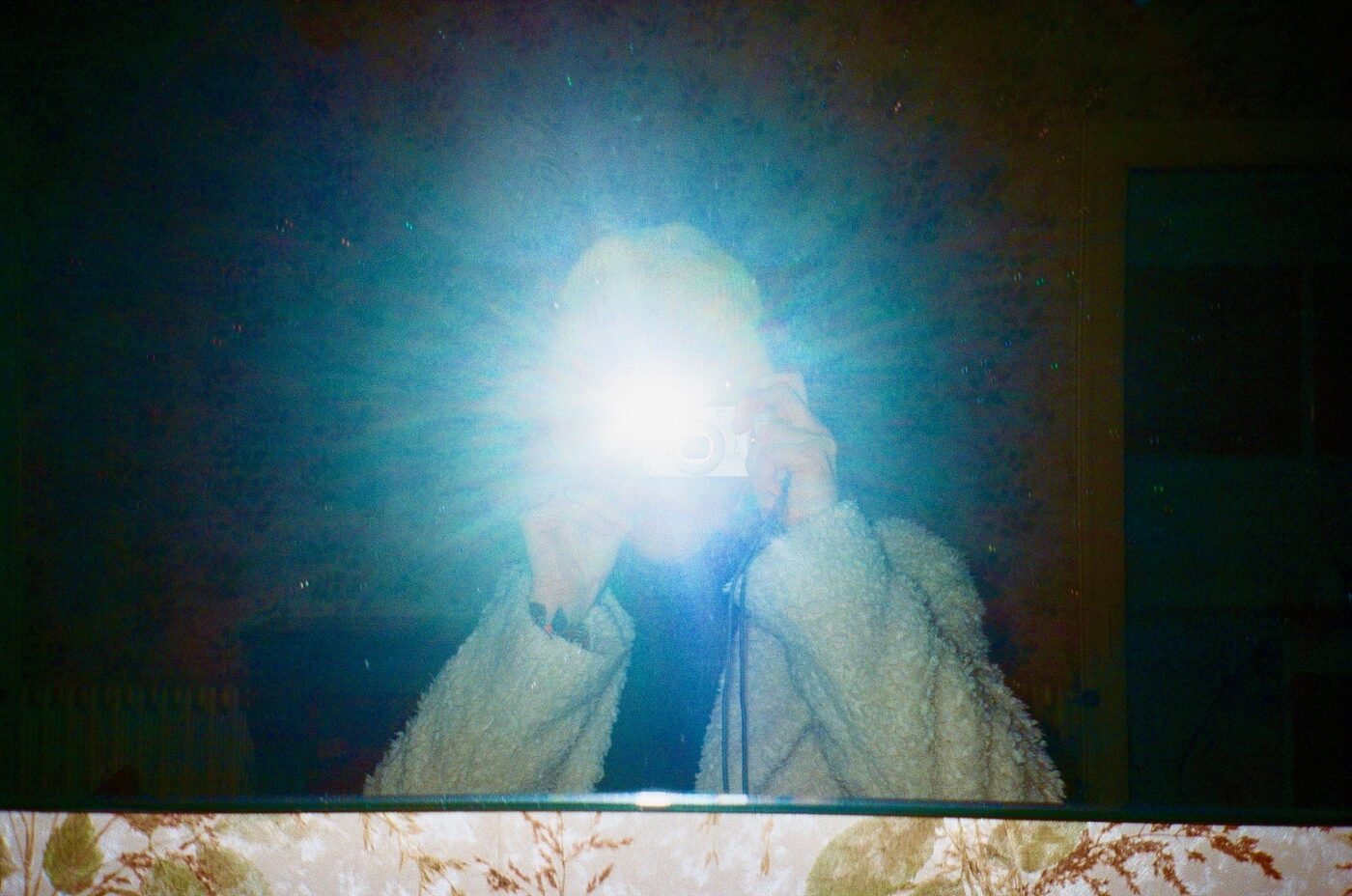
Expo Barboteur
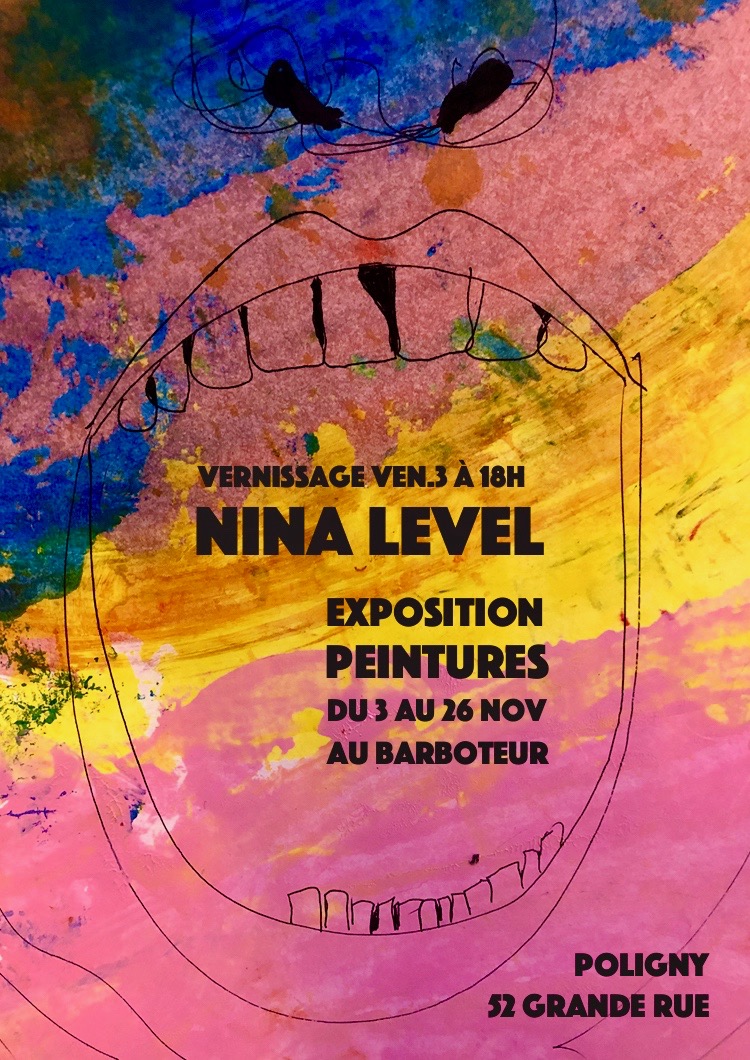
J’expose des grands formats du 3 au 26 Novembre à l’ espace solidaire d’expositions et d’événements artistiques et culturels éphémères, le Barboteur 52 Grande Rue 39800 Poligny.
Journal Photographique Octobre
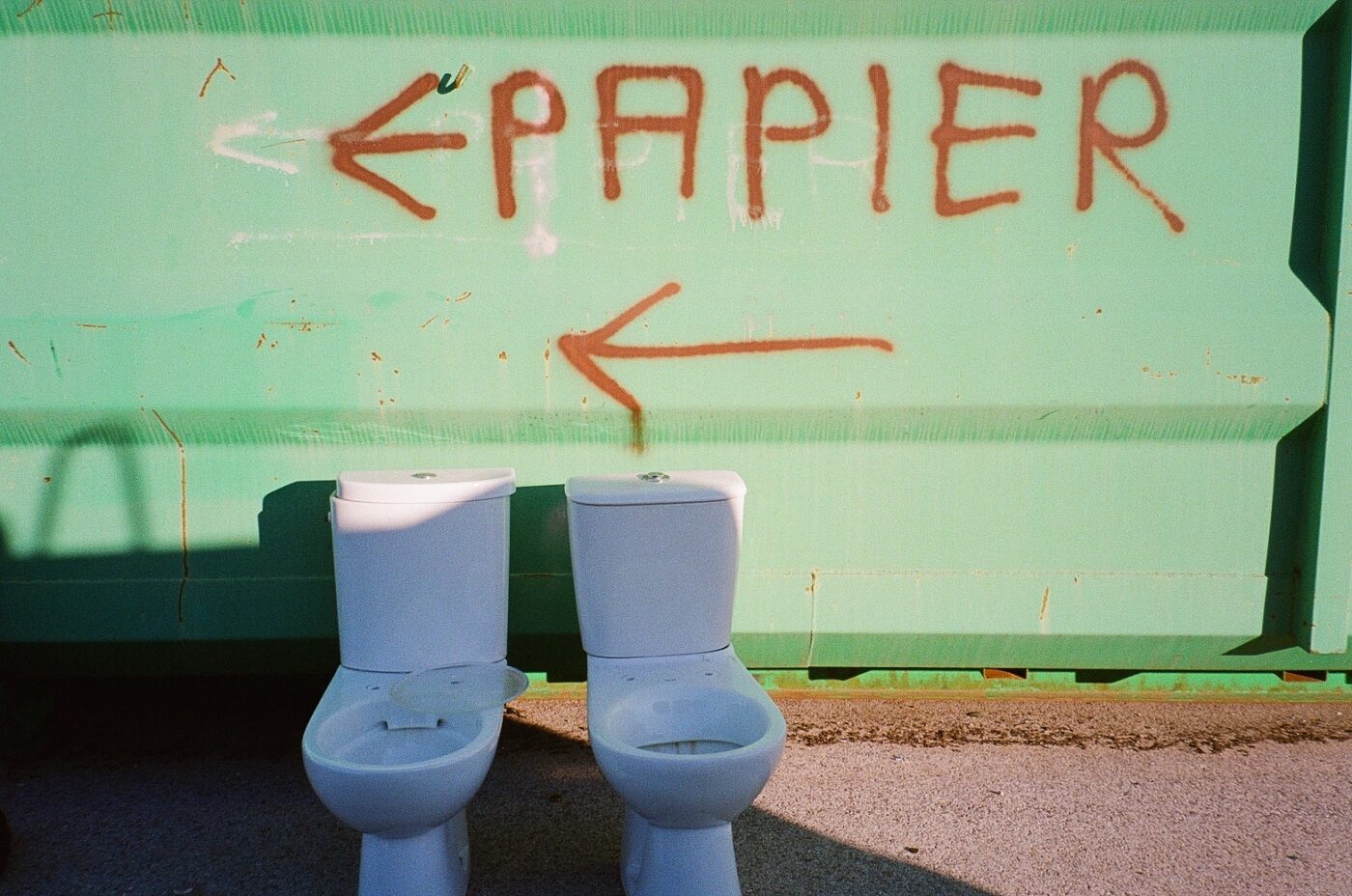
Le journal photographique est une pratique datant des années 60, lorsque l’avant garde américaine puis la contre culture des années 70 par le refus de l’ordre établi, par la promotion d’une nouvelle façon de vivre, plus libre et décomplexée, propose une contestation des codes artistiques en prônant un décloisonnement radical entre l’art et la vie et en s’ouvrant à la banalité du quotidien.
C’est en inconditionnelle fan du travail de Nan Goldin et en découvrant celui de Nobuyoshi Araki que je me suis initiée au journal photographique. En pratique, la technique s’efface au profit d’une empathie exprimée librement sans contrainte avec pour résultat une photographie plus proche de l’instantané que de la photographie dite créative. L’utilisation d’ appareils simplifiés permet de capter le moment. Intime ou non.
Nan Goldin revendique l’esthétique du snapshot, de l’instantané comme un des usages les plus purs de la photographie celui qui “est le mieux définit par l’amour”. Discipline émotionnelle donc plus prés du faire que du savoir faire ramenant la pratique du journal à une sorte de performance au quotidien rejoignant ainsi la pratique de Nobuyoshi Araki pour lequel la photographie n’est pas un médium qui requiert une réflexion sérieuse et une mise en œuvre parfaite. La mécanique du regard et la capacité de production de l’appareil comptant plus que le résultat.
Art sans art et accumulation des vues sont donc les deux topiques de la pratique du diariste photographe. L’imperfection et l’enregistrement du réel sont garants de l’authenticité du propos.
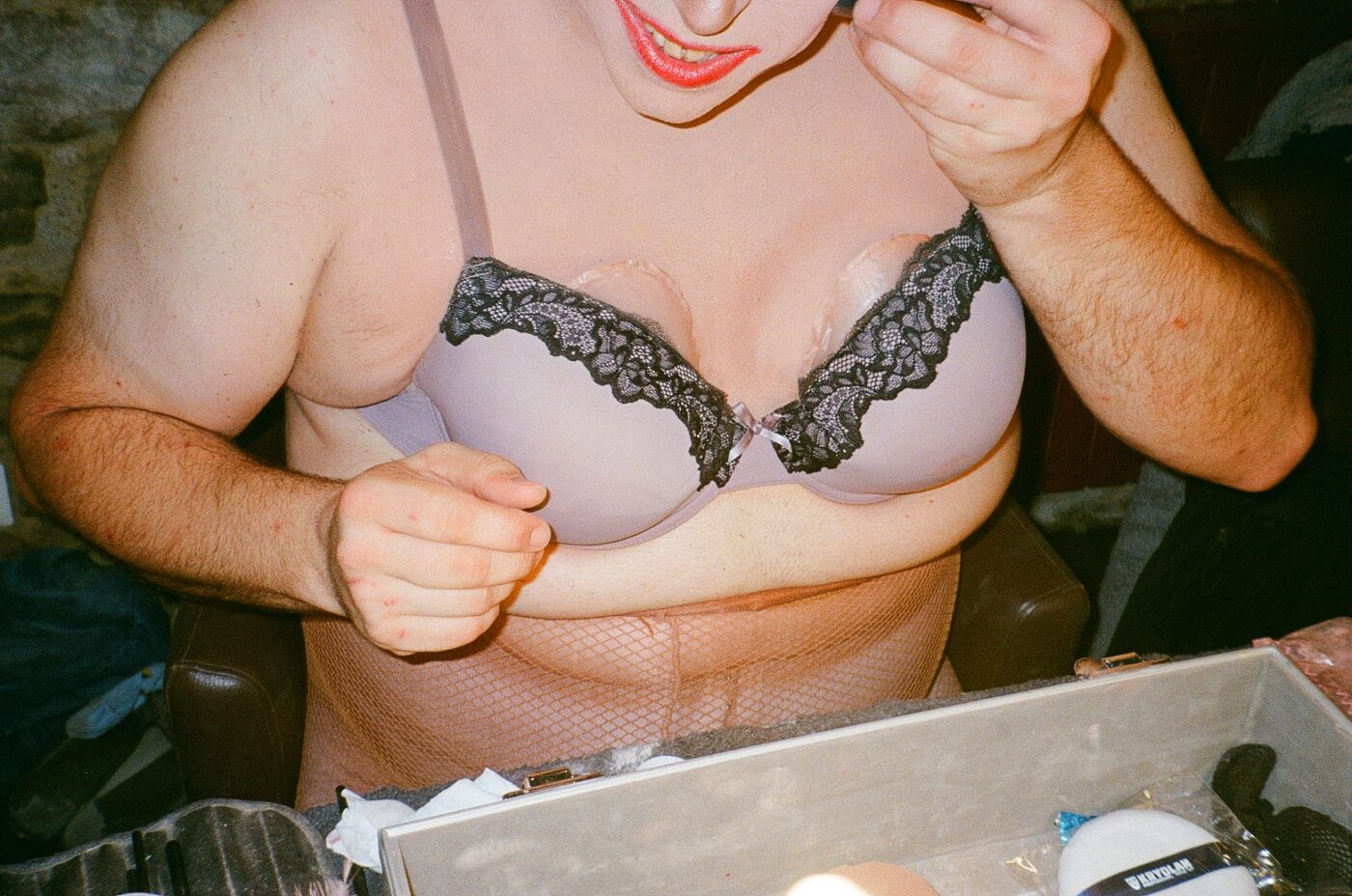
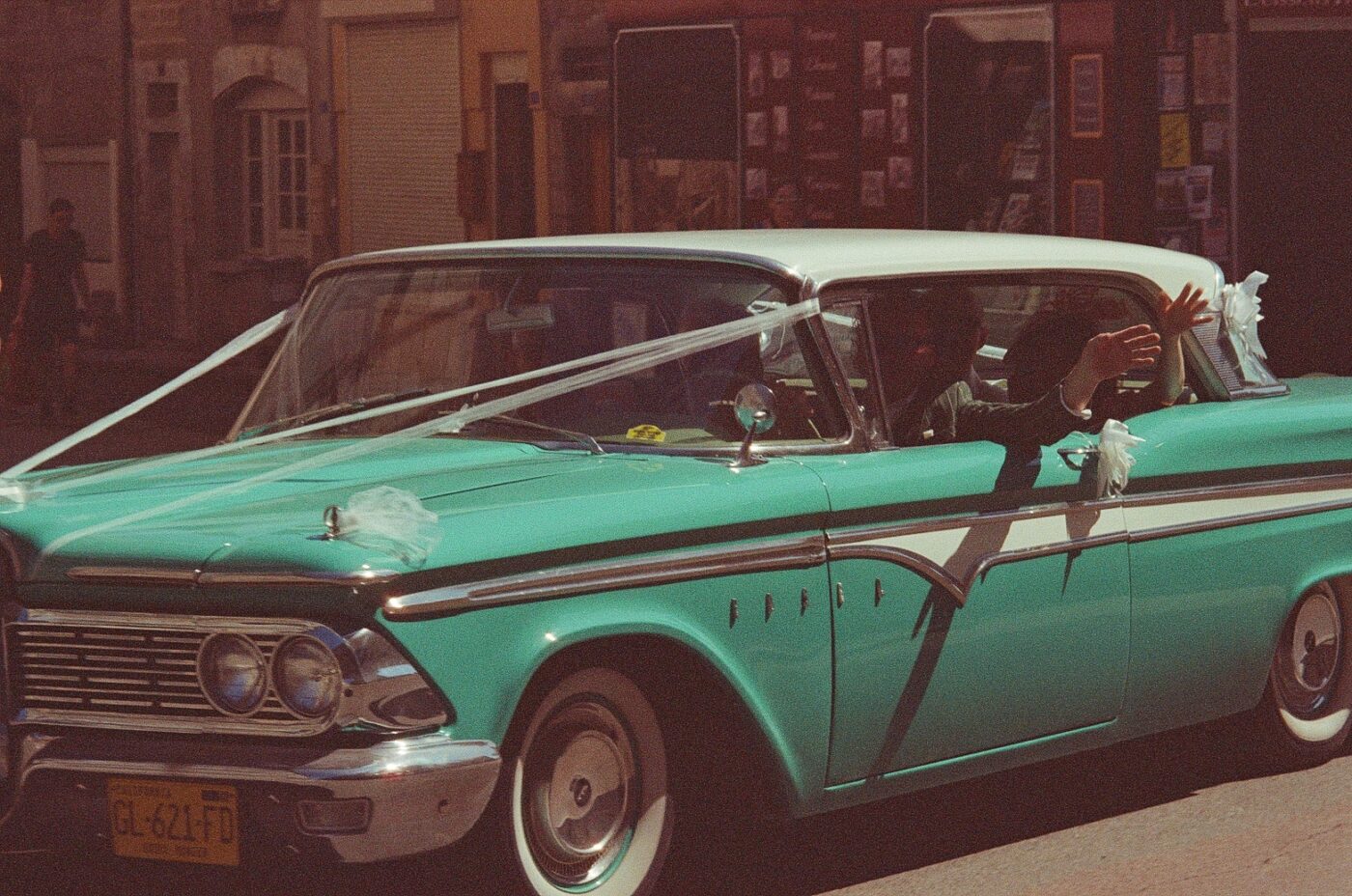
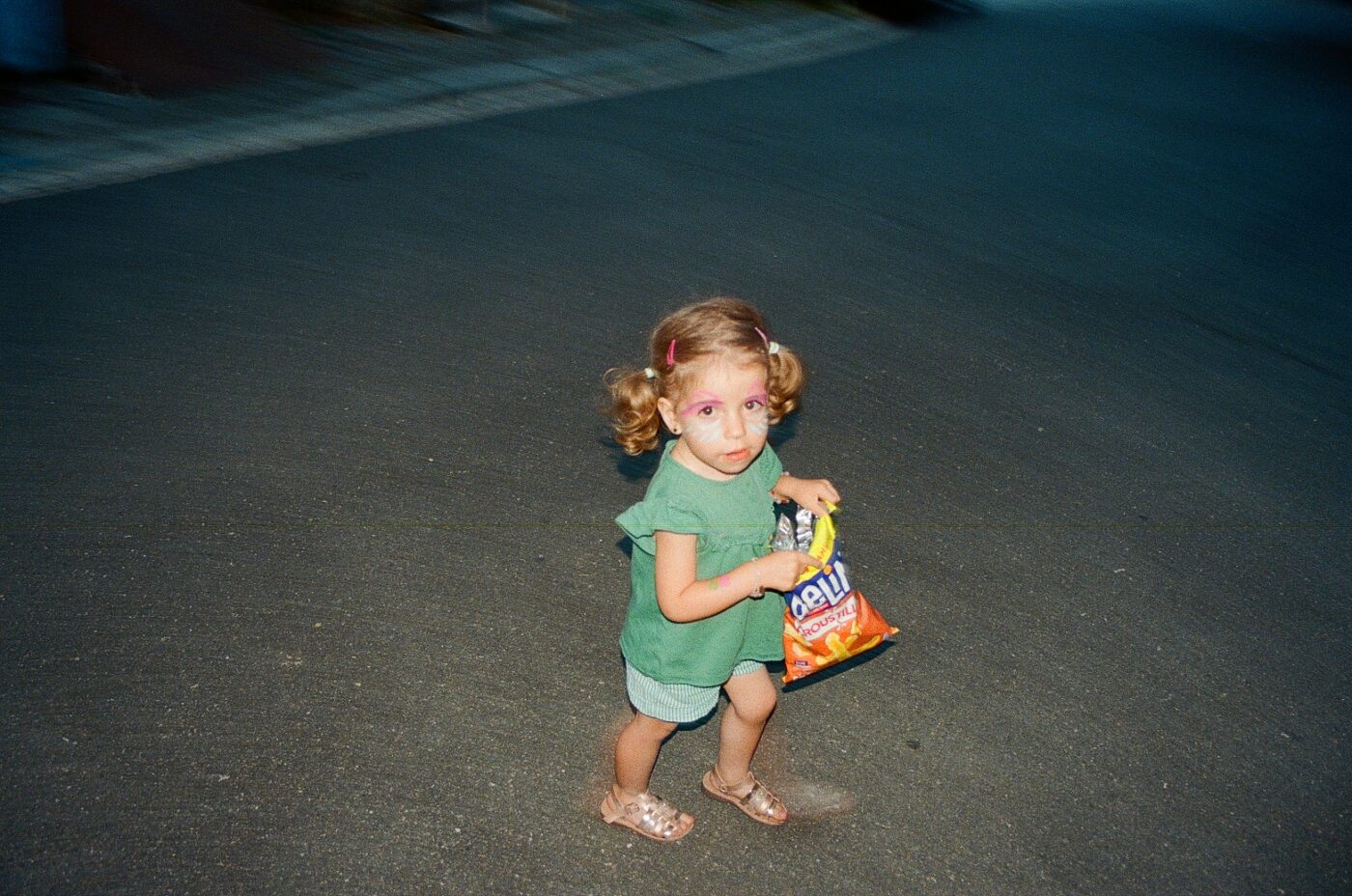
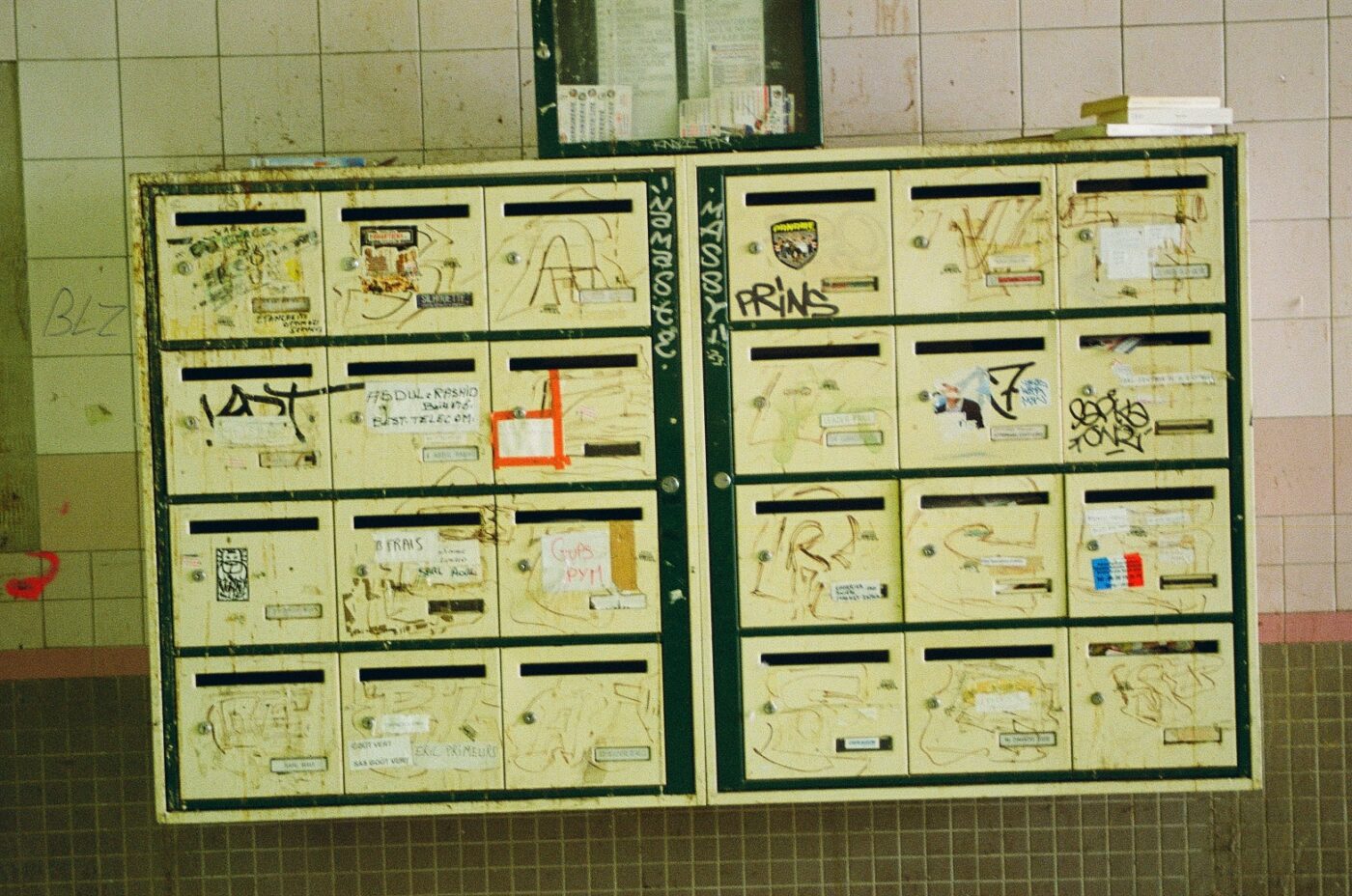
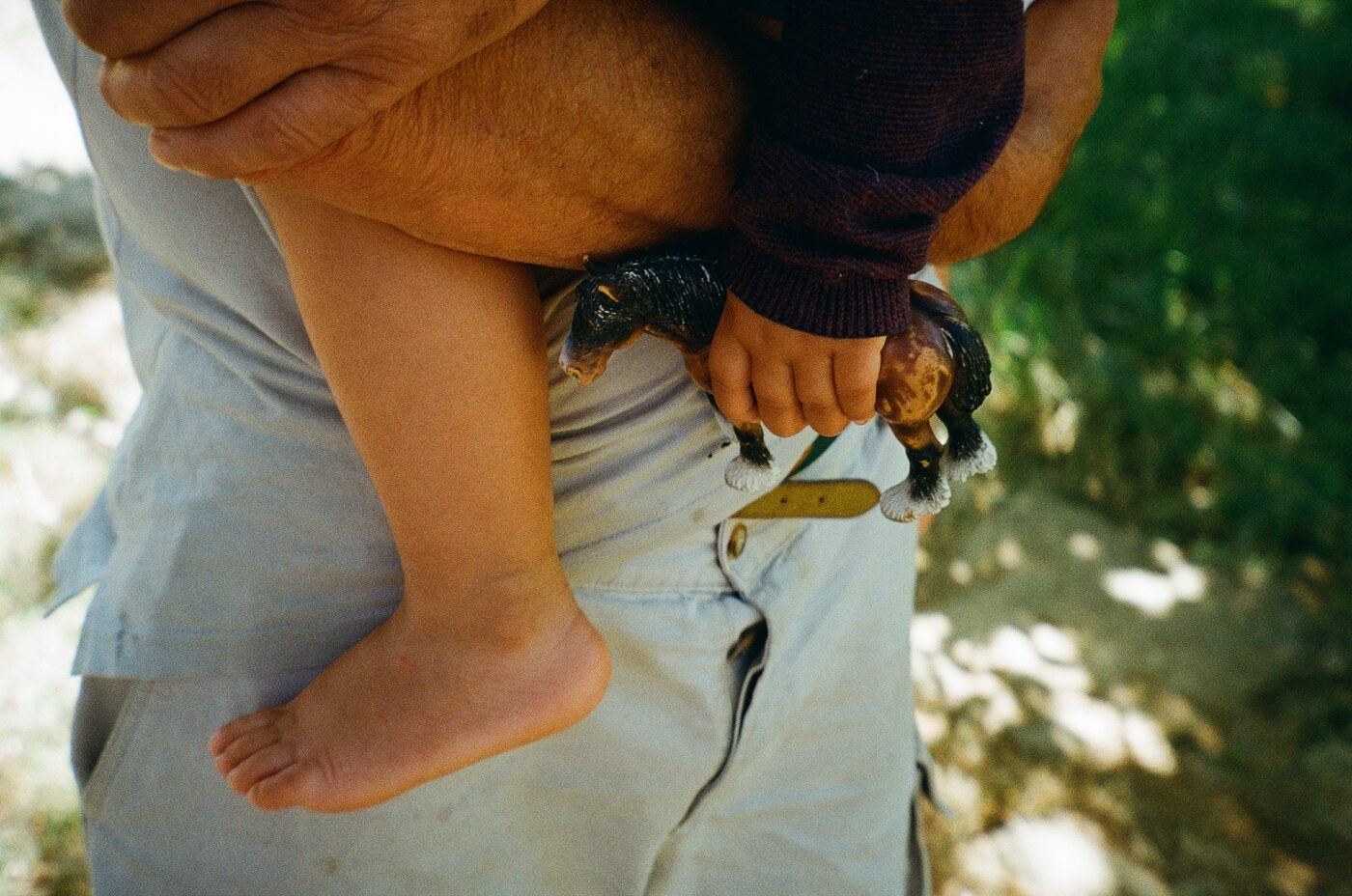
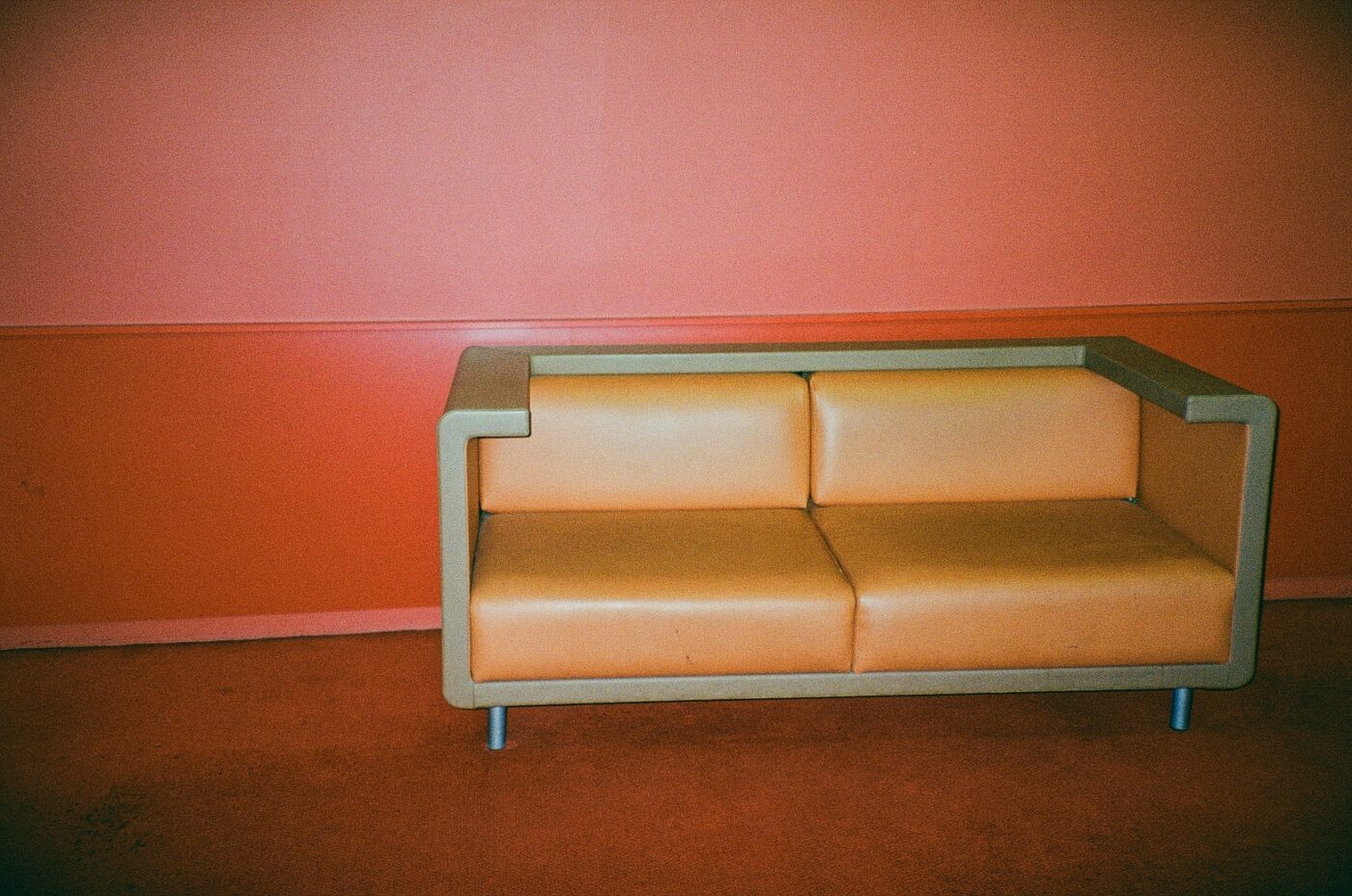
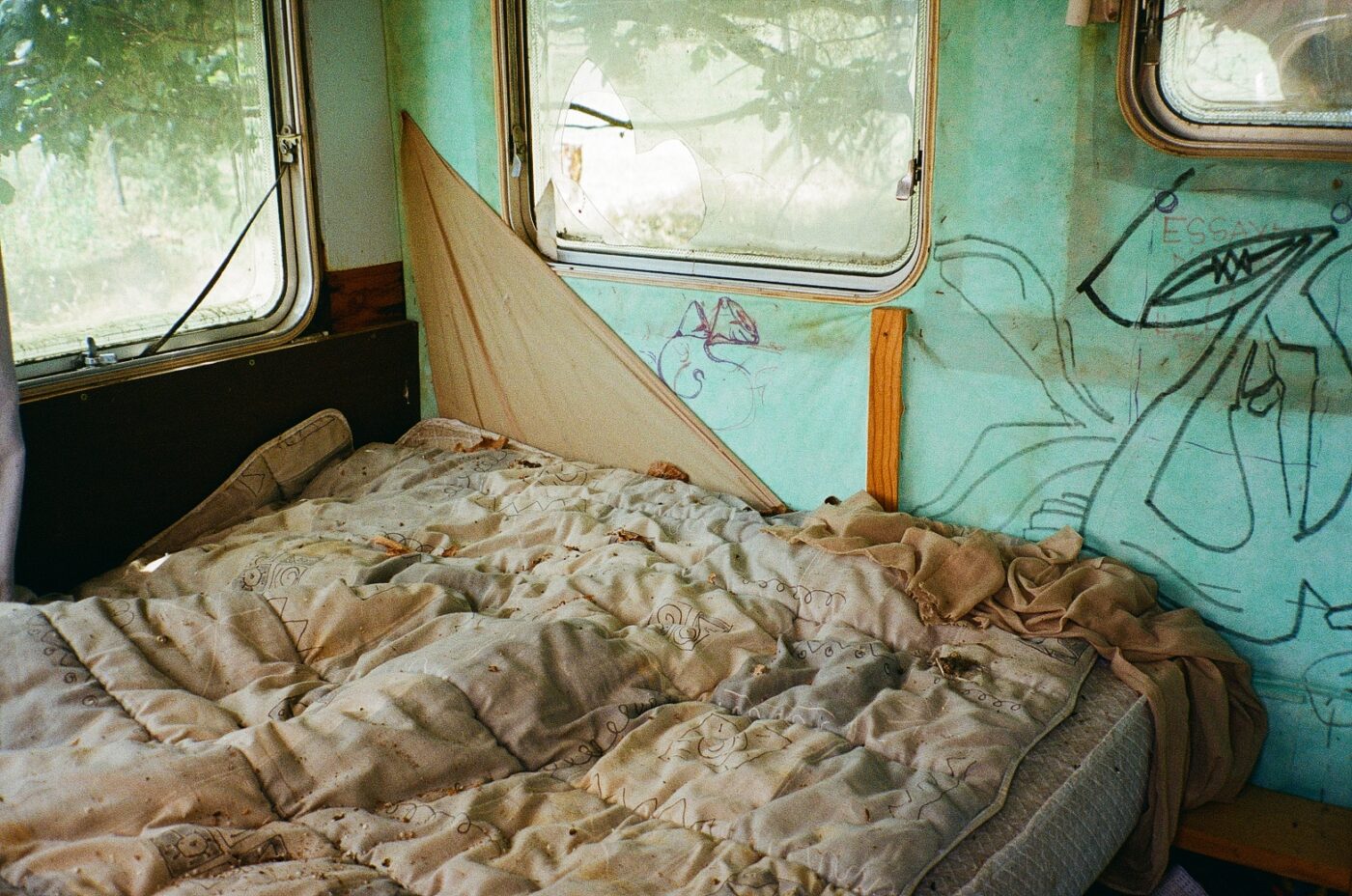
Il suffit de photographier sa vie, d’en montrer les images. Celles de ma vie sont un matériau, un point de départ inspiré par mes rencontres, de ce que je perçois du monde qui m’entoure sans censure et sans questionnement profond.Figer l’instant est ce qui m’importe. Ce moment unique qui ne se reproduira plus mais qui garde pour toujours l’empreinte du moment vécu. Re-garder un enregistrement esthétique du temps rendu fluide et en mouvement grace à la multiplicité des images et à leur fragmentation. Une esthétique de l’instant que je vous propose de découvrir tous les mois au rythme des tirages de mes Portra 400 shootées sur mon Canon Prima Super 130.
Cette publication est la première. Celle qui doit vous donner envie de suivre les autres puisque la valeur de ma démarche vaut dans l’expérience qu’elle propose et s’inscrit donc dans une démarche pérenne.
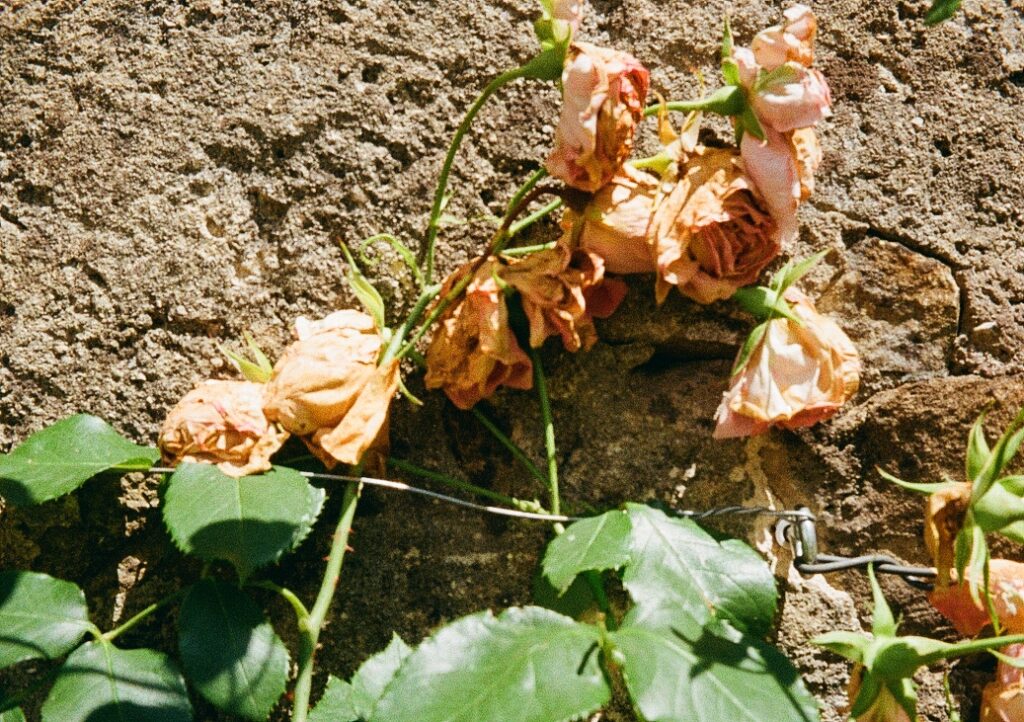
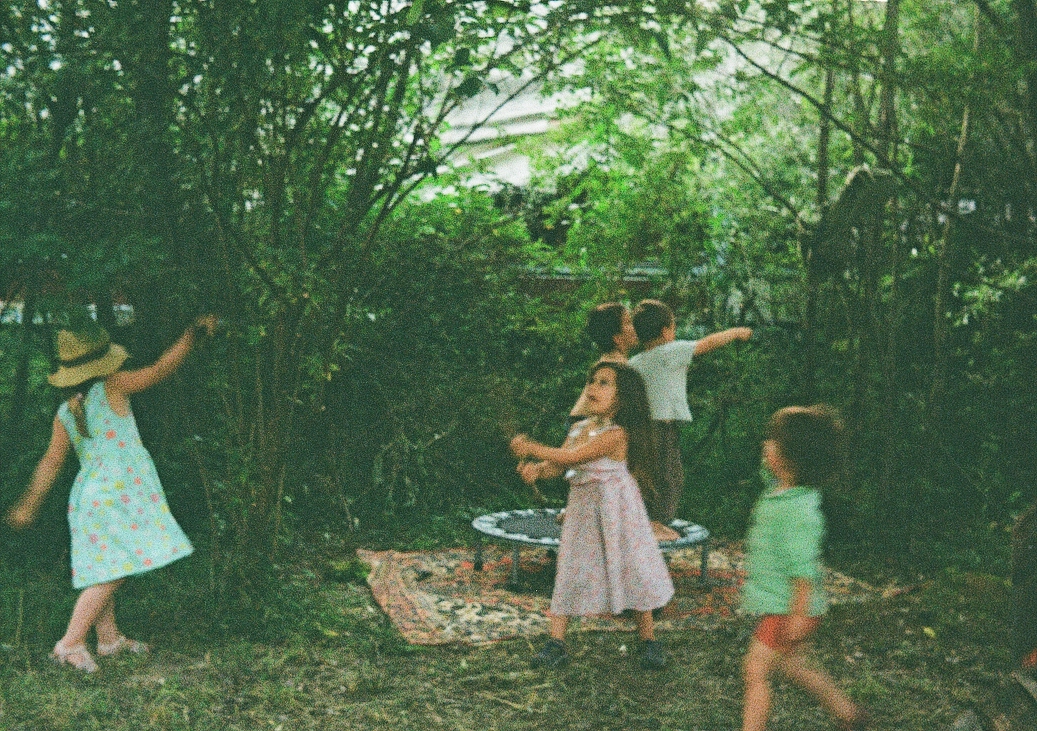
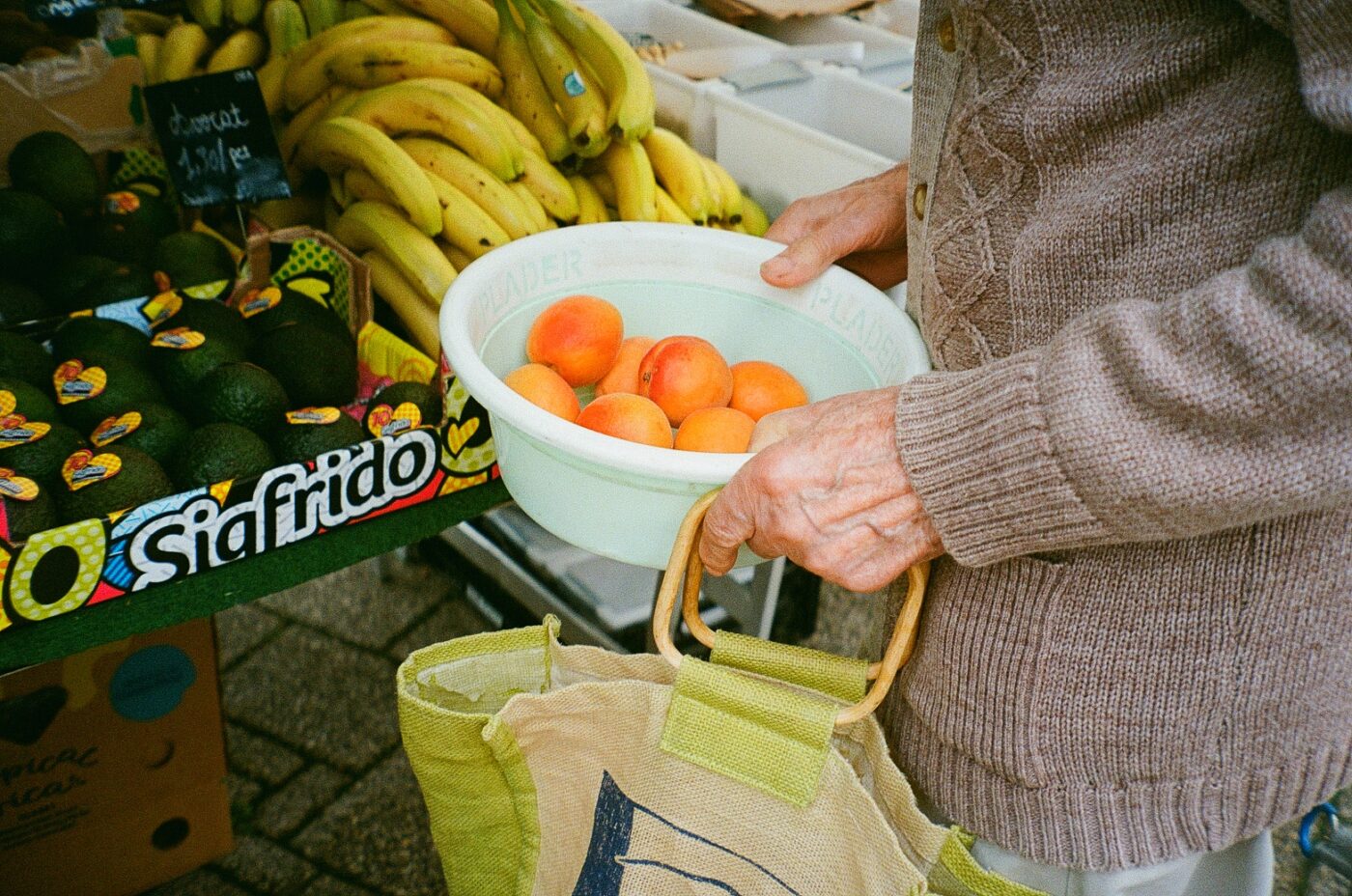
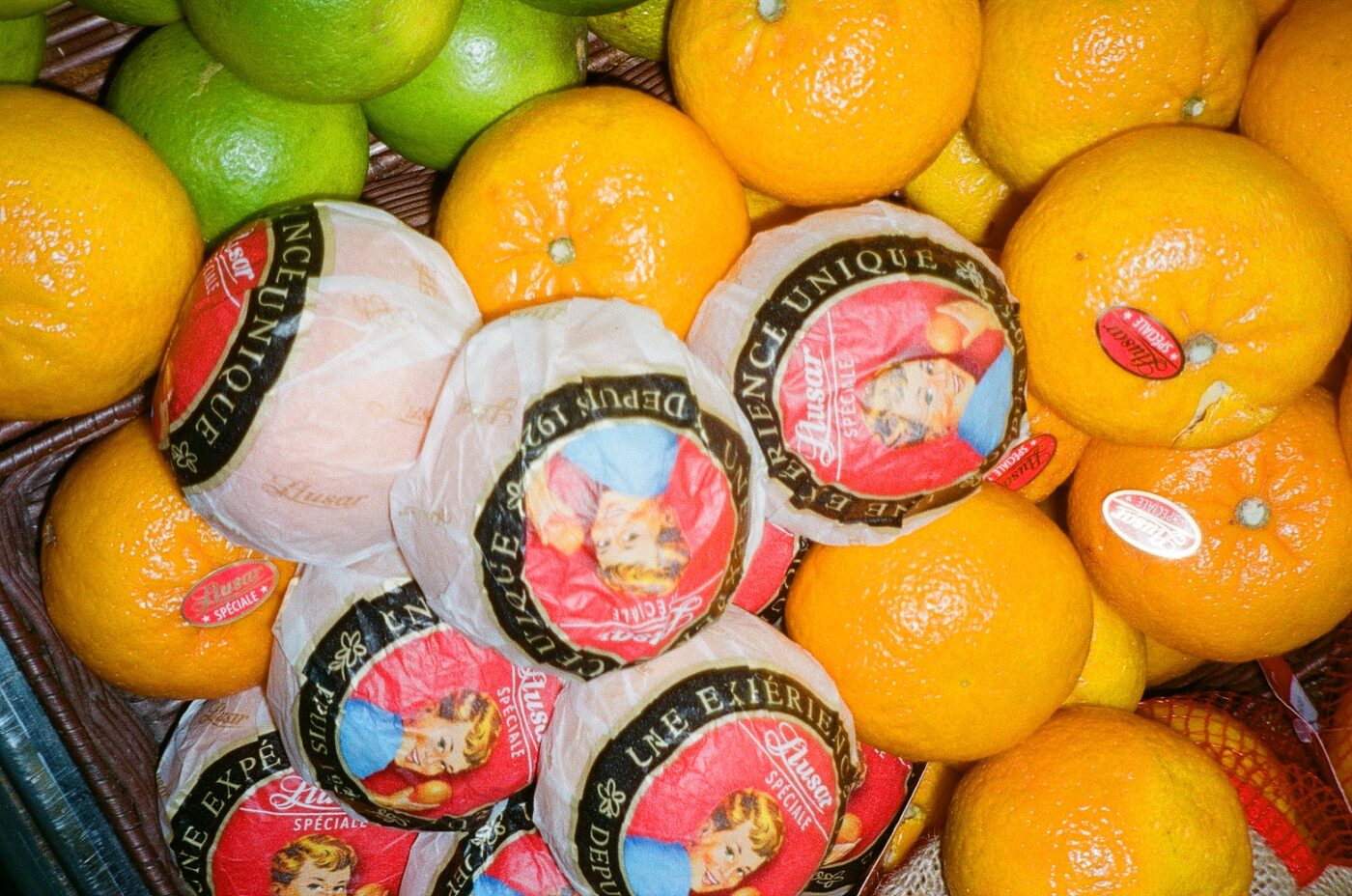
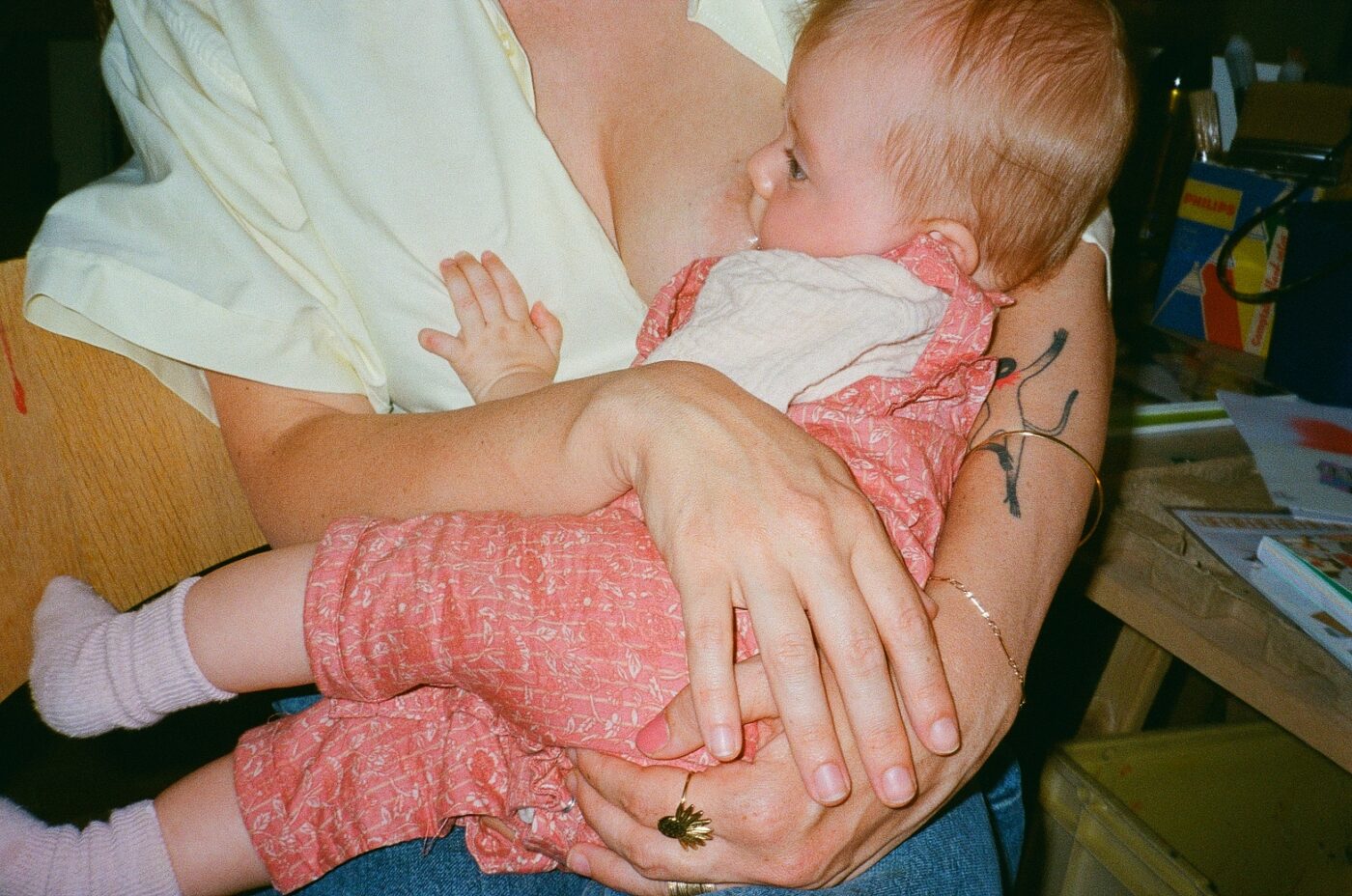
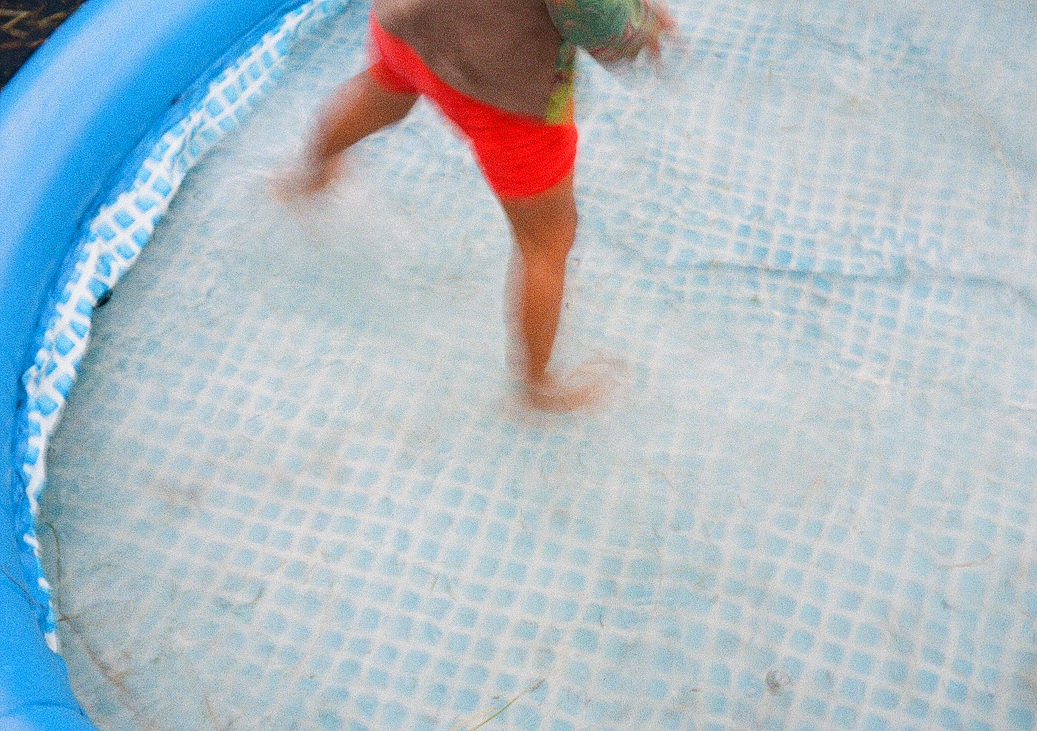
The photographic diary is a practice that dates back to the 60s, when the American avant-garde and then the counter-culture of the 70s, by rejecting the established order and promoting a new, freer and more relaxed way of life, proposed a challenge to artistic codes by advocating a radical decompartmentalisation between art and life and by opening up to the banality of everyday life.
I was introduced to photographic diaries when I discovered the work of Nobuyoshi Araki and became an unconditional fan of Nan Goldin’s work. In practice, the technique gives way to empathy expressed freely and without constraint, resulting in photography that is closer to a snapshot than to so-called creative photography. The use of simplified cameras makes it possible to capture the moment. Intimate or otherwise.
Nan Goldin claims the aesthetic of the snapshot as one of the purest uses of photography, the one that “is best defined by love”. An emotional discipline, then, closer to making than to knowing how to make, bringing the practice of the diary down to a kind of everyday performance, in line with the practice of Nobuyoshi Araki, for whom photography is not a medium that requires serious thought and perfect execution. The mechanics of the eye and the production capacity of the camera are more important than the result.
Art without art and the accumulation of views are therefore the two topics of the diarist photographer’s practice. Imperfection and the recording of reality guarantee the authenticity of the subject.All you have to do is photograph your life and show the images. Those of my life are material, a starting point inspired by my encounters, by what I perceive of the world around me without censorship or deep questioning. This unique moment that will never happen again, but which will forever retain the imprint of the moment experienced. Retaining an aesthetic record of time made fluid and moving by the multiplicity of images and their fragmentation. It’s an aesthetic of the moment that I invite you to discover every month as I produce prints of my Portra 400s shot on my Canon Prima Super 130.
This is my first publication. The one that should make you want to follow the others, because the value of my approach lies in the experience it offers and is therefore part of a long-term approach.